As the the 2026 gardening season begins, sustainable and low-maintenance outdoor design is set to take center stage.
Ecomposite Products highlights how sustainable composite fencing and outdoor structures can play a role in low-maintenance, eco-conscious design. From modern layouts to creative planting solutions, these materials help homeowners create outdoor spaces that are stylish, practical, and environmentally responsible, while supporting biodiversity and long-term garden sustainability.
READ MORE: Here is the outlook for Phoenix’s 2026 housing market
LOCAL NEWS: Want more stories like this? Get our free newsletter here
Top Spring 2026 Garden Trends
1. Rewilded Lawns and Purposeful Planting
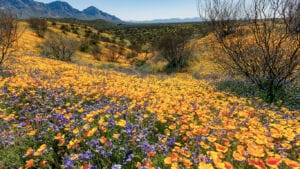
Naturalised gardens are set to move further into the mainstream, with wildflower lawns, perennial borders, and native planting schemes replacing high-maintenance turf. This rewilding approach supports pollinators and local wildlife while delivering long-lasting colour and structure. Purposeful planting, particularly the use of perennials and mixed native species, creates gardens that evolve through the seasons and require less intervention over time.
2. Living Green Walls and Vertical Growing
As outdoor space becomes more limited, particularly in urban settings, vertical planting continues to gain momentum. Living green walls, climbing plants, and stacked planters allow homeowners to maximise greenery without expanding their footprint.
Composite fencing and garden screens are increasingly being used as supportive backdrops for vertical gardens, providing a stable, low-maintenance structure for climbing plants, edible growing systems, and decorative planting. Beyond aesthetics, these features support home food growing, improve air quality, and enhance biodiversity, blending visual impact with meaningful environmental benefits.
3. Recycled, Repurposed, and Container-Based Design
Sustainability is influencing not just planting choices but garden furnishings and décor. Reclaimed materials, recycled planters, and adaptable container gardening solutions are on the rise, offering flexibility and reduced environmental impact. Containers and modular elements also support the growth of vertical planting and seasonal redesigns, allowing gardens to adapt without major renovations.
4. Eco-Friendly Fencing and Garden Structures
Low-maintenance, durable materials remain a priority as homeowners seek long-term solutions that retain visual appeal. Composite fencing and garden structures align with this shift, supporting contemporary and traditional designs alike while reducing upkeep. These materials fit naturally into sustainable garden schemes, offering longevity without the regular treatments associated with timber.
5. Wildlife-Friendly Garden Features
Designing with wildlife in mind is becoming an integral part of garden planning. Features such as hedgehog highways, pollinator-friendly planting, bird-safe elements, habitat piles, and bee hotels are increasingly incorporated into residential gardens. These additions help restore fragmented habitats while reinforcing the idea that gardens can be both functional and ecologically supportive.
6. Eco-Conscious Hardscaping
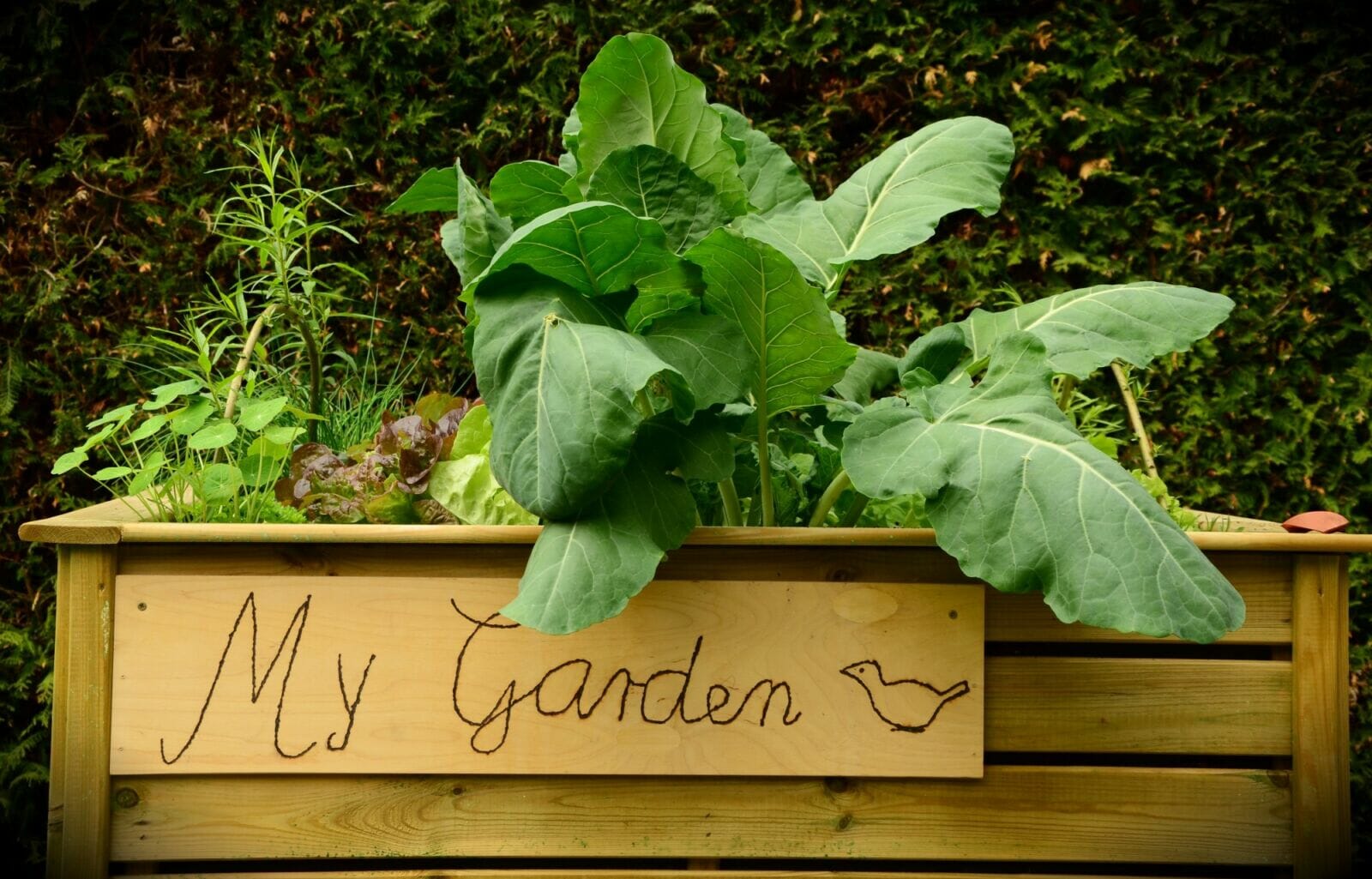
Sustainability extends to the foundations of garden design. Paths, decking, and raised beds made from composite or recycled materials are favoured for their durability and reduced maintenance requirements. By avoiding chemical treatments and frequent replacement, eco-conscious hardscaping supports long-term garden performance while maintaining a clean, modern finish.
“Spring 2026 is shaping up to be a turning point for garden design, where sustainability and practicality are no longer secondary considerations but central to how outdoor spaces are planned. Homeowners are increasingly drawn to gardens that support wildlife, require less maintenance, and still feel intentional and well-designed. This shows a broader understanding that gardens play an important role in urban ecology as well as everyday wellbeing.
We are also seeing growing interest in materials and layouts that support vertical planting, rewilding, and long-term durability. Features such as living green walls, naturalised borders, and modular garden structures allow people to make better use of limited space while contributing positively to biodiversity. At Ecomposite, we welcome these trends because they encourage thoughtful garden design that balances environmental responsibility with security, structure, and visual appeal.
Looking ahead, sustainable choices are increasingly linked to long-term value. Gardens designed with durable, low-maintenance materials and wildlife-friendly features tend to age better, cost less to maintain, and appeal more strongly to future buyers. Investing in eco-conscious outdoor design is not just about reducing environmental impact, but about creating resilient, attractive spaces that remain relevant and valuable over time,” said Sustainable Garden Design Expert Robert Witcomb from Ecomposite Products.