The way professionals approach wellness has changed dramatically over the past few years. What was once considered a luxury or occasional indulgence is now becoming part of everyday life. Busy schedules, hybrid work routines, and increased awareness around burnout have pushed many people to rethink how they care for themselves physically and mentally.
In 2026, wellness spending is no longer focused solely on gym memberships or expensive retreats. Professionals are investing in habits, products, and experiences that fit naturally into their daily routines. Convenience, personalization, and long-term sustainability are shaping purchasing decisions across the wellness market.
From recovery-focused fitness routines to beauty treatments that support self-care, today’s wellness trends reflect a broader desire for balance. Rather than chasing perfection, many people are prioritizing routines that help them feel more energized, organized, and confident throughout the workweek.
Recovery Is Becoming Part of Everyday Wellness
Professionals are paying more attention to recovery instead of viewing it as something reserved for athletes. Long work hours, frequent screen time, and sedentary routines have increased interest in practices that reduce physical tension and mental fatigue.
Many people are adding recovery-focused habits into their weekly schedules, including:
- Stretching sessions at home
- Guided mobility classes
- Massage therapy
- Cold plunges and saunas
- Ergonomic office upgrades
- Sleep-support products
The shift is practical rather than extreme. Instead of intense fitness plans that are difficult to maintain, many professionals are choosing smaller routines they can realistically stick to.
Workplaces are adapting as well. More companies now offer wellness stipends or flexible schedules that encourage healthier routines outside of work. This has contributed to a growing culture where recovery is viewed as productive rather than optional.
Beauty Treatments Are Becoming Part of Self-Care
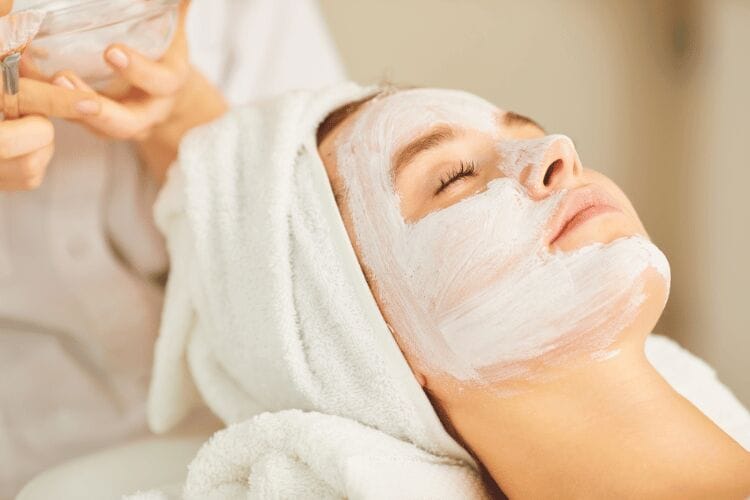
Beauty and wellness continue to overlap in 2026. Professionals are increasingly treating personal grooming as part of a broader self-care routine rather than a purely cosmetic expense.
Nail care, skincare, and at-home treatments have become especially popular because they offer both convenience and relaxation. Many people are investing in salon-quality tools they can use on their own schedule, particularly when balancing demanding careers.
This shift has also changed how consumers shop for beauty products. Instead of impulse purchases, buyers are looking for durable tools that support long-term routines. For those interested in creating salon-level nail care at home, many professionals now shop online at F.O.X Nails for equipment designed to support efficient and precise nail maintenance.
The appeal of at-home beauty routines often comes down to flexibility. Booking salon appointments can be difficult around meetings, travel, and family responsibilities. Having professional-grade tools available at home allows people to maintain routines without sacrificing time.
Wellness Spaces at Home Are Expanding
Home environments are becoming more wellness-focused as remote and hybrid work continue to influence daily life. Professionals are investing in spaces that support focus, relaxation, and recovery without requiring major home renovations.
Instead of creating elaborate home spas, many people are making smaller upgrades that improve how they feel during the day. Popular wellness-related home purchases include:
- Air purifiers
- Adjustable lighting
- Standing desks
- Meditation corners
- High-quality bedding
- Compact fitness equipment
People are also becoming more intentional about reducing visual clutter and creating calmer environments. Even minor changes, such as adding better lighting or improving workspace organization, can contribute to a less stressful routine.
The popularity of multifunctional spaces is also growing. A guest room may double as a workout area, while a corner of the living room becomes a quiet reading or meditation space. Wellness at home is increasingly about practicality rather than luxury.
Personalized Wellness Is Replacing One-Size-Fits-All Routines
Professionals are becoming more selective about where they spend their wellness budgets. Generic advice and trend-driven products are losing appeal as consumers look for routines that suit their individual lifestyles.
This has led to increased interest in personalized wellness experiences, including:
- Customized fitness programs
- Tailored skincare routines
- Nutrition coaching
- Wearable health technology
- Personalized recovery plans
People are paying closer attention to how habits affect their energy levels, productivity, and stress management. Rather than following strict trends, many are experimenting with routines that feel realistic and sustainable over time.
This more individualized approach has also influenced beauty and grooming routines. Professionals want products that simplify their schedules and fit naturally into their day instead of adding unnecessary complexity.
F.O.X Nails has become part of that broader shift toward practical self-care by offering tools that support efficient at-home maintenance for people with busy schedules.
Mental Wellness Spending Continues to Rise
Mental wellness remains a major priority in 2026. Professionals are recognizing that productivity and emotional well-being are closely connected, especially in high-pressure work environments. Instead of waiting until burnout becomes overwhelming, many people are investing in preventative wellness habits that help them manage stress more consistently.
Some of the most common mental wellness expenses include:
- Therapy and counseling services
- Meditation apps
- Digital detox retreats
- Journaling tools
- Breathwork classes
- Mindfulness workshops
There is also growing interest in reducing constant digital stimulation. Professionals are becoming more aware of how notifications, emails, and nonstop connectivity affect concentration and overall stress levels.
As a result, wellness routines are becoming less about achieving peak performance and more about protecting mental energy throughout the day. Small habits, such as limiting screen time before bed or setting boundaries around work hours, are gaining popularity because they are easier to maintain long term.
Convenience Is Driving Wellness Purchases
One of the biggest factors shaping wellness spending in 2026 is convenience. Professionals are choosing products and services that fit seamlessly into their routines instead of requiring major lifestyle changes.
People want wellness habits that are realistic alongside meetings, deadlines, travel, and family responsibilities. This explains the popularity of:
- On-demand fitness platforms
- At-home beauty tools
- Meal delivery services
- Portable recovery devices
- Quick mindfulness exercises
Time efficiency has become just as important as quality. Consumers are willing to spend more on products that simplify routines and reduce friction in everyday life.
This trend is unlikely to disappear anytime soon. As work and personal schedules continue to evolve, wellness solutions that save time while supporting consistency will remain highly attractive to busy professionals.
Final Thoughts
Wellness spending in 2026 reflects a broader cultural shift toward balance, sustainability, and personalization. Professionals are no longer chasing rigid routines or unrealistic standards. Instead, they are investing in habits and products that help them feel healthier, calmer, and more capable in daily life.
The strongest wellness trends are rooted in practicality. Recovery, mental health, at-home self-care, and personalized routines are becoming part of how people manage modern work demands. Rather than focusing on dramatic transformations, many professionals are prioritizing routines they can realistically maintain over time.
As wellness continues to evolve, the most successful habits will likely be the ones that fit naturally into everyday life while supporting long-term well-being.