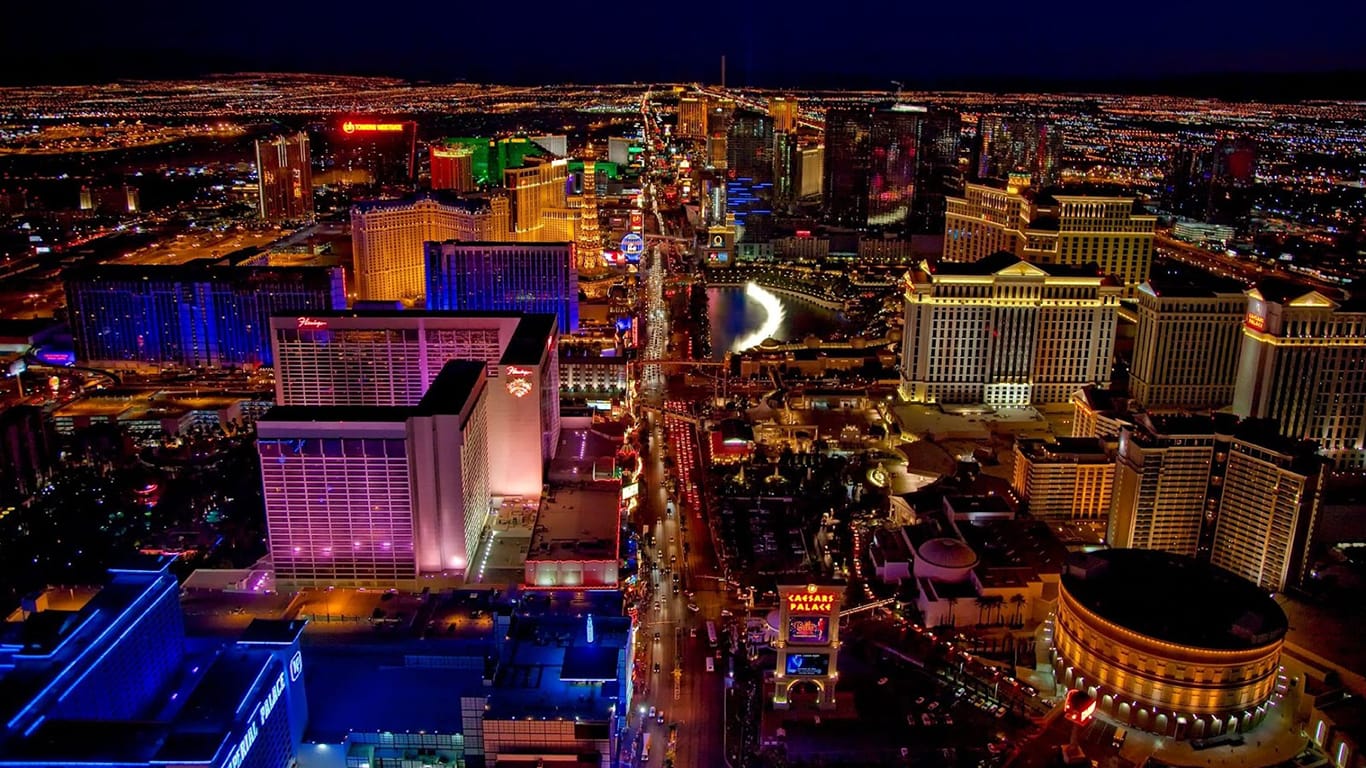
For decades, Las Vegas was defined by neon lights, casino floors, and world-class entertainment packed tightly along the Strip. While those elements still play a major role in the city’s identity, Las Vegas has quietly evolved into something more dynamic. Today, it stands as one of the strongest examples of how experiential tourism is reshaping the way people travel.
Modern travelers are no longer satisfied with simply seeing a destination—they want to do something memorable there. Las Vegas has responded by expanding far beyond traditional attractions, offering immersive experiences that blend art, adventure, and culture.
The Shift Toward Experience-Driven Travel
Across the travel industry, there is a clear shift from passive sightseeing to hands-on, story-worthy experiences. Social media has accelerated this trend, pushing travelers to seek moments that feel unique, authentic, and visually striking. Las Vegas, with its surrounding desert landscapes and flexible tourism ecosystem, has embraced this change faster than many global destinations.
Instead of being confined to hotel lobbies and showrooms, visitors are now exploring the outskirts of the city, discovering experiences that connect them with nature, creativity, and adrenaline-fueled activities.
Art Meets the Open Desert
One of the most powerful examples of this transformation is Seven Magic Mountains, a large-scale art installation located just outside Las Vegas. Rising dramatically from the desert floor, the brightly colored stacked boulders contrast sharply with the surrounding natural landscape. The installation has become a cultural icon, attracting travelers who may not typically seek out contemporary art.
What makes this attraction particularly important is its accessibility. It is free to visit, easy to reach by car, and perfectly aligned with the growing demand for outdoor, open-space experiences. Many travelers plan entire off-Strip itineraries around visiting Seven Magic Mountains, using it as a gateway to explore more of Nevada’s desert terrain.
Adventure Tourism Takes Center Stage
Alongside artistic experiences, Las Vegas has also seen a rise in adventure-based tourism. Visitors are increasingly drawn to activities that allow them to actively participate rather than observe. This includes everything from desert off-roading to unconventional experiences that are hard to find elsewhere.
For thrill-seekers and curious travelers alike, visiting a shooting range in Las Vegas has emerged as one such distinctive activity. It appeals to tourists looking for something uniquely American and hands-on, while remaining tightly regulated and professionally managed. Experiences like this highlight how Las Vegas continues to diversify its tourism offerings beyond traditional entertainment.
Why This Trend Matters Beyond Nevada
The rise of experiential tourism in Las Vegas has regional implications, especially for nearby states like Arizona. Road trips between Phoenix and Las Vegas are becoming more experience-focused, with travelers planning multi-stop journeys rather than quick weekend getaways. This benefits hotels, restaurants, and attractions across the Southwest.
For businesses and tourism planners, Las Vegas serves as a blueprint for how destinations can remain relevant in a rapidly changing travel market. By investing in experiences that encourage participation and emotional connection, cities can extend visitor stays and increase overall economic impact.
A New Identity for a Familiar City
Las Vegas is no longer just a place people visit for spectacle—it is a destination where travelers actively shape their own experiences. By blending art, adventure, and accessibility, the city has successfully reinvented itself for a new generation of tourists.
As experiential travel continues to grow, Las Vegas proves that even the most established destinations can evolve. The future of tourism belongs to places that offer not just attractions, but moments worth remembering.