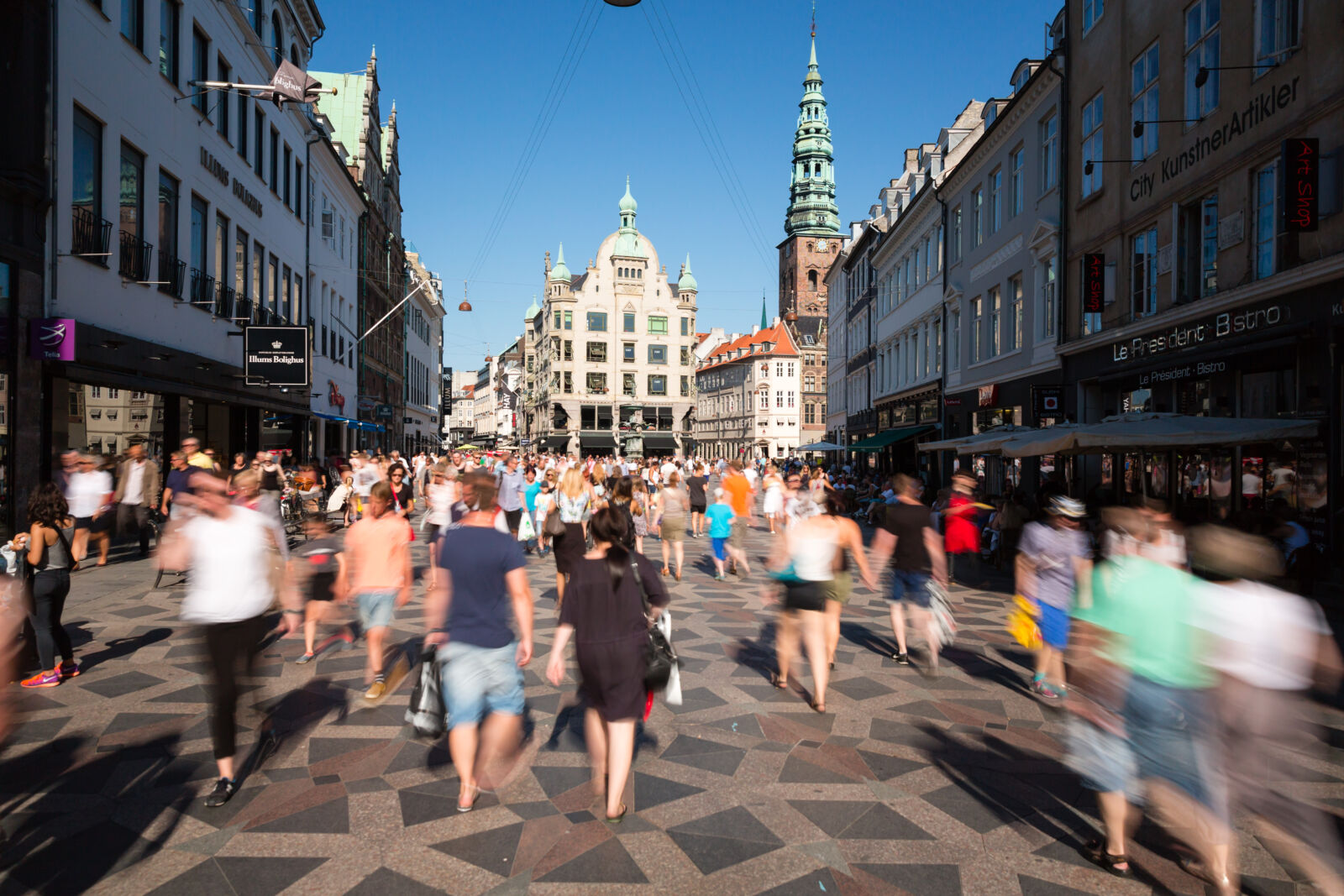
Copenhagen is often ranked among the world’s most livable cities, and that reputation becomes clearest when you explore it on foot. More than a collection of landmarks, the Danish capital is a carefully designed urban system where architecture, public space, sustainability, and everyday life intersect. Walking through the city offers a practical and revealing way to understand how Copenhagen works—and why it continues to attract travelers, designers, and urban planners alike.
Why Copenhagen Is Built for Walking
Unlike many large European capitals, Copenhagen feels intentionally scaled for pedestrians. Distances between key districts are manageable, streets are well-marked, and public spaces prioritize people over cars. Sidewalks are wide, crossings are intuitive, and traffic flows are predictable. This design makes walking not only pleasant but efficient.
For visitors, this means less time navigating transport systems and more time observing how the city functions at street level. From residential courtyards to waterfront promenades, Copenhagen’s layout encourages movement without friction.
Urban Design as a Daily Experience
Copenhagen’s reputation for design extends far beyond furniture and architecture. The city applies design thinking to everyday life. Benches are placed where people naturally pause. Bicycle lanes coexist seamlessly with pedestrian zones. Green spaces appear where density might otherwise dominate.
Walking through neighborhoods like the historic center or along the canals reveals how form and function are balanced. Historic buildings are preserved, but modern interventions are integrated without disruption. The result is a city that feels cohesive rather than layered with disconnected eras.
A Practical Walking Route Through the City
A well-planned walking route through Copenhagen typically begins in the historic core, where the city’s political and cultural foundations are most visible. From there, moving toward the waterfront allows visitors to experience the city’s relationship with water—an essential element of Copenhagen’s identity.
Continuing on foot through mixed-use districts highlights how residential life, commerce, and leisure coexist. Cafés open directly onto sidewalks, small businesses thrive alongside cultural institutions, and public spaces serve both locals and visitors without feeling staged.
Understanding the City Through Context
While independent walking allows for flexibility, context is often what transforms a walk into a meaningful experience. Understanding why neighborhoods developed as they did, how social policies shaped the city, and how Copenhagen balances tourism with daily life adds depth to what you see.
Many visitors choose to begin their exploration with a structured overview such as Free Tour Copenhagen, using it as a foundation before continuing independently. This approach provides orientation without limiting personal exploration.
Copenhagen’s Relationship With Sustainability
Sustainability in Copenhagen is not an abstract concept—it is visible at street level. Walking makes it easier to notice small but significant details: waste systems integrated into public spaces, energy-efficient buildings, and neighborhoods designed to reduce unnecessary transport.
Pedestrian-friendly planning reduces congestion and emissions while improving quality of life. The city’s commitment to sustainability becomes tangible when you move through it at walking speed.
Business, Tourism, and Everyday Life
Copenhagen’s economy benefits from tourism, but the city avoids becoming a theme park. Walking through business districts, residential areas, and cultural zones reveals how tourism is woven into daily life rather than imposed on it.
This balance is particularly relevant for professionals interested in urban development, hospitality, or city branding. Copenhagen demonstrates how a city can remain functional for residents while remaining attractive to international visitors.
Practical Tips for Walking Copenhagen
- Footwear: Comfortable shoes are essential, as distances add up over time.
- Weather: Wind near the waterfront can be strong; layered clothing is recommended.
- Pacing: Plan short breaks in cafés or public squares to maintain energy.
- Navigation: Offline maps are useful, but the city’s signage is generally sufficient.
Why Walking Leaves a Lasting Impression
Walking through Copenhagen offers more than sightseeing. It provides insight into how thoughtful urban planning affects daily life. Visitors gain a clearer understanding of why the city consistently ranks high in livability studies and why it serves as a reference point for cities worldwide.
Rather than rushing between attractions, walking encourages observation, reflection, and connection. It is often these unplanned moments—quiet streets, local interactions, and subtle design choices—that define the Copenhagen experience.
Conclusion
Copenhagen rewards those who take the time to explore it on foot. The city’s design, culture, and rhythm reveal themselves gradually, offering lessons in urban living that extend beyond tourism. For travelers seeking a deeper understanding of how a modern European city functions, walking Copenhagen is not just an option—it is the ideal approach.