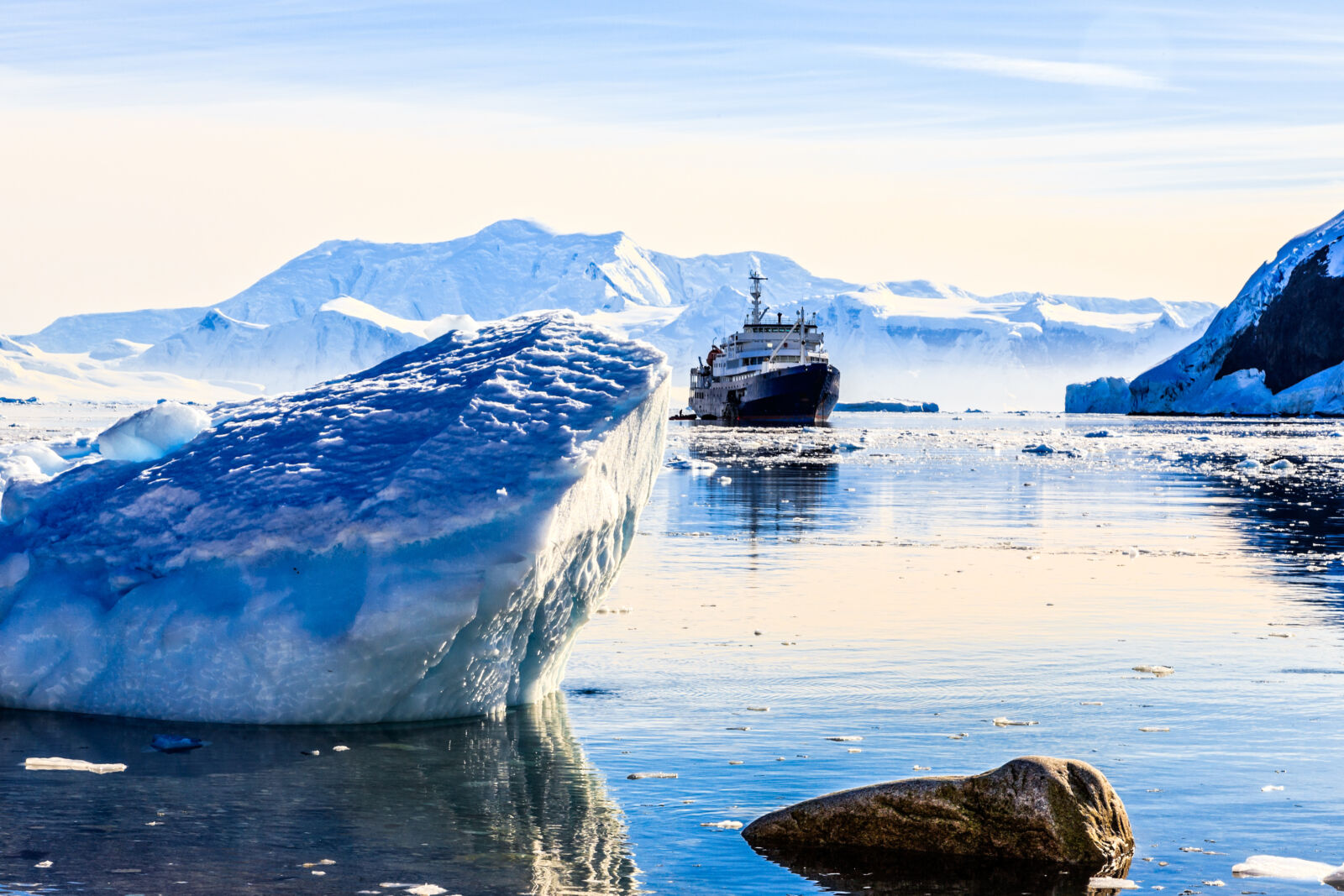
The Arctic represents one of Earth’s last frontiers for adventure travel, where vast ice sheets meet dramatic coastlines and wildlife thrives in extreme conditions. Unlike conventional cruises, Arctic expeditions require specialized ice-strengthened vessels, experienced crews, and careful timing to navigate polar regions. Travelers seek authentic encounters with polar bears, walruses, and Arctic foxes, combined with the midnight sun phenomenon that bathes landscapes in golden light for weeks. Arctic expedition cruising prioritizes exploration over entertainment, with expert naturalist guides leading small-group Zodiac excursions to glacial fronts, historical sites, and wildlife observation points.
When planning Arctic travel, understanding regional differences helps travelers select routes matching their interests. Multiple expedition operators now run voyages across Arctic territories—from Svalbard’s accessible archipelago to the remote Russian High Arctic and Canada’s Northwest Passage. Poseidon Arctic itineraries, for instance, adjust departure timing based on ice breakup patterns and peak wildlife activity in specific regions. Selecting the right destination depends on priorities—whether seeking polar bear concentrations, massive seabird colonies, or historical exploration sites—as each Arctic region delivers distinct experiences for different travel styles.
Arctic Expedition Destinations
The Arctic encompasses multiple distinct regions, each offering different landscapes, wildlife concentrations, and accessibility levels. Selecting the right destination depends on timing, desired experiences, and the level of remoteness travelers seek.
Key Arctic Regions for Expedition Cruises
● Svalbard Archipelago: Located midway between mainland Norway and the North Pole, Svalbard provides accessible Arctic wilderness with high polar bear populations, dramatic glaciers, and unique geological formations. Summer expeditions (June-September) benefit from extended daylight and relatively mild conditions.
● Greenland’s East and West Coasts: The world’s largest island features massive ice sheets, traditional Inuit communities, and spectacular fjord systems. East Greenland offers more remote experiences, while West Greenland provides better infrastructure and historical Danish settlements.
● Franz Josef Land: This Russian Arctic archipelago represents true high-Arctic wilderness, with pristine landscapes rarely visited by tourists. Ice conditions typically allow access only during July and August, making this one of the Arctic’s most exclusive destinations.
● Northwest Passage: The legendary maritime route connecting Atlantic and Pacific oceans through Canada’s Arctic islands combines historical significance with remote beauty. These multi-week expeditions traverse some of Earth’s most isolated waters.
● Norwegian Arctic: Norway’s northern coast and islands provide entry-level Arctic experiences with reliable summer access, offering Northern Lights viewing in winter and midnight sun in summer.
Ice conditions significantly impact Arctic travel planning. According to the National Snow and Ice Data Center, Arctic sea ice extent follows seasonal patterns, with minimum coverage in September and maximum in March. Expedition operators monitor satellite data to determine optimal timing for specific routes, particularly for destinations like Franz Josef Land where ice can block access even during summer months.
What to Expect During Arctic Expedition Cruises
Arctic expeditions balance structured activities with spontaneous wildlife encounters, creating experiences impossible to fully predict. Understanding typical expedition patterns helps travelers prepare mentally and physically for polar travel.
Wildlife Encounters and Natural Phenomena
Arctic expeditions center on wildlife observation in natural settings. Travelers participate in Zodiac landings multiple times daily, weather permitting, approaching shorelines where animals feed, rest, and interact. A typical day might include morning landing near a walrus colony, afternoon glacier cruising where seals rest on ice floes, and evening navigation through pack ice searching for polar bears hunting prey.
- Polar Bears: The Arctic’s apex predators most reliably appear near Svalbard and Franz Josef Land during summer months. Spotting typically occurs from ship or Zodiac distance, with guides maintaining safe separation while providing behavioral insights through high-powered optics.
- Walruses: These massive pinnipeds gather in haul-out sites during summer, particularly around Svalbard and parts of the Russian Arctic. Colonies can number hundreds of individuals, offering remarkable photography opportunities as animals interact, vocalize, and enter/exit the water.
- Arctic Foxes and Reindeer: Land mammals adapt to polar conditions with remarkable strategies. Arctic foxes change coat colors seasonally, while Svalbard reindeer evolved into a distinct subspecies smaller than mainland populations.
- Seabirds: Millions of seabirds nest on Arctic cliffs during summer, including puffins, guillemots, kittiwakes, and various gull species. The noise and activity at major colonies create unforgettable sensory experiences.
- Whales: Multiple whale species migrate to Arctic waters for summer feeding, including beluga whales, narwhals (in Canadian Arctic), and various baleen whale species. Sightings depend heavily on location and timing.
Expedition Activities and Ice Navigation
Modern expedition vessels combine comfortable accommodations with specialized capabilities for polar regions. Ice-strengthened hulls allow navigation through pack ice, while Zodiac fleets enable shore access at locations without docks or infrastructure. Ships carry expedition staff including naturalists, historians, geologists, and photographers who provide expertise during landings and lectures.
Zodiac operations require specific techniques different from warm-water destinations. Travelers board inflatable boats via gangways or platforms, wearing provided rubber boots and flotation devices. Landing sites range from rocky beaches to ice edges, with guides assessing conditions before declaring areas safe for disembarkation. The flexibility of Zodiac operations allows expeditions to adjust plans based on wildlife sightings, ice conditions, and weather changes—a ship might alter course mid-voyage if rare species appear or unexpected ice opens access to previously unreachable locations.
Preparing for Your Arctic Adventure
Successful Arctic expedition travel combines proper preparation with realistic expectations. The polar environment demands respect, appropriate gear, and mental readiness for variable conditions.
Essential planning considerations include:
● Seasonal Timing: June through September offers the primary Arctic expedition season, with July-August providing warmest temperatures and most reliable ice conditions. Early season (June) features more ice and snow but fewer tourists, while late season (August-September) offers better weather but some wildlife species begin migrating.
● Physical Requirements: Most Arctic expeditions accommodate moderate fitness levels, though Zodiac boarding and shore walking require reasonable mobility. Some landings involve wet or rocky terrain, and weather can change rapidly, requiring quick movements.
● Gear and Clothing: Layering systems work best for Arctic conditions where temperatures vary between ship and shore. Waterproof outer layers protect against spray during Zodiac operations, while insulating layers provide warmth during stationary wildlife observation.● Environmental Responsibility: Arctic ecosystems are fragile and slow to recover from disturbance. Responsible operators follow guidelines established by organizations like the WWF Arctic Programme, maintaining appropriate distances from wildlife and minimizing environmental impact.