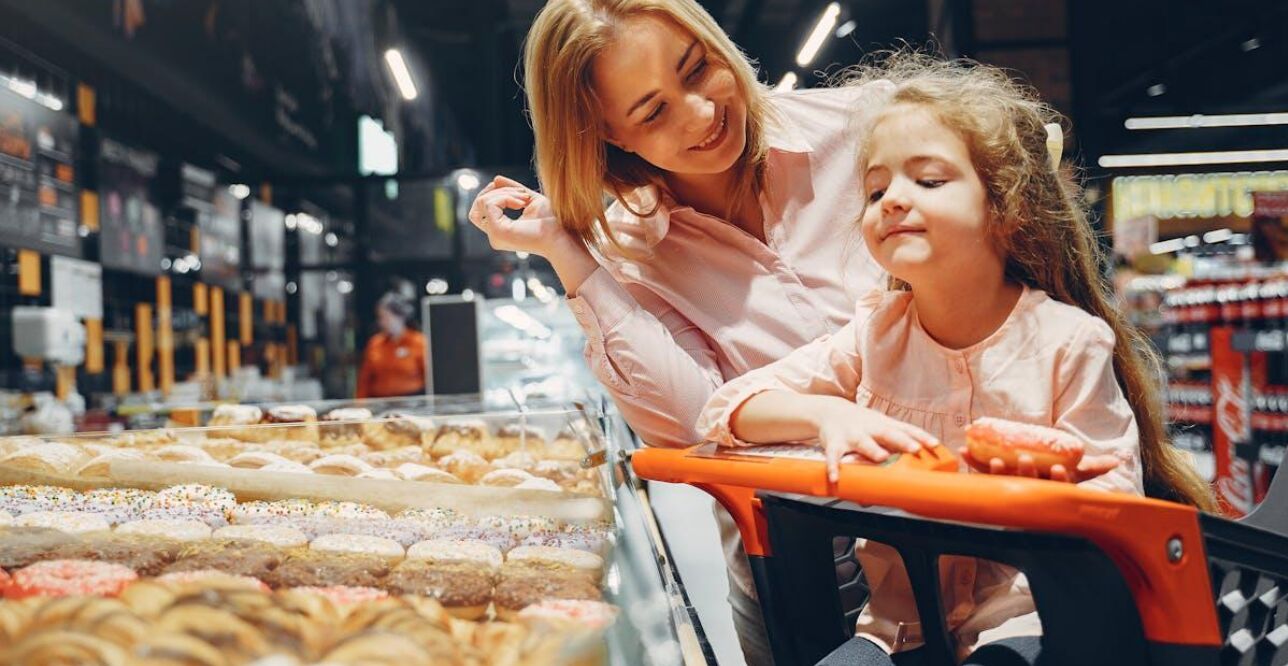
As parents, the decisions we make about the products we buy for our kids can often feel overwhelming. Whether we’re standing in a toy aisle or browsing online for the latest educational tools, we want to ensure our choices align with what is best for our children’s safety, health, and growth. For some families, that might mean selecting activity-based options like golf club sets for kids, which encourage outdoor play, coordination, and confidence through age-appropriate design.
For others, comfort and emotional connection play a bigger role, with familiar companions becoming part of a child’s everyday routine through imaginative play and reassurance. This is why understanding the key factors guiding our decisions is crucial. In this text, we will explore these priorities in detail and what they mean for our purchasing decisions.
Safety Considerations
When it comes to children’s products, safety is our top priority. Countless reports highlight the risks associated with unsafe toys and everyday items, which is why many of us actively seek products that meet established safety standards. This often means looking for certifications from organizations such as ASTM International and the CPSC, which help indicate whether an item has been tested for hazards. Toys should be free from harmful materials, while furniture and accessories are expected to feature child-friendly designs, such as rounded edges, to reduce the risk of injury.
At the same time, parents frequently exchange safety information within their communities, staying alert to recalls and safety notices that could affect products already in use. Familiar and well-known items, including soft toys like Jellycat Animals, are often part of these conversations, as caregivers balance comfort, durability, and safety when making purchasing decisions. By keeping safety at the forefront and staying informed, we can make more confident choices that help protect our children from unnecessary harm.
READ MORE: Here’s why the Arizona economy is poised to accelerate
LOCAL NEWS: Want more stories like this? Get our free newsletter here
Health and Environmental Impact
In our pursuit of providing the best for our children, health considerations extend beyond mere safety. Many of us are increasingly conscious of the environmental impact of the products we choose. We look for items made from organic materials, free from harmful chemicals, and that have sustainable production processes. This shift towards environmentally-friendly products is not just about ensuring a healthier future for our children, but also about fostering a world where they can thrive.
For example, when purchasing clothing or bedding, we may prioritize organic cotton or eco-friendly dyes, as these materials tend to be gentler on both our children’s skin and the planet. Besides, brands that adopt sustainable practices resonate with us, leading us to prefer products with less packaging and a lower carbon footprint.
Educational Value and Development
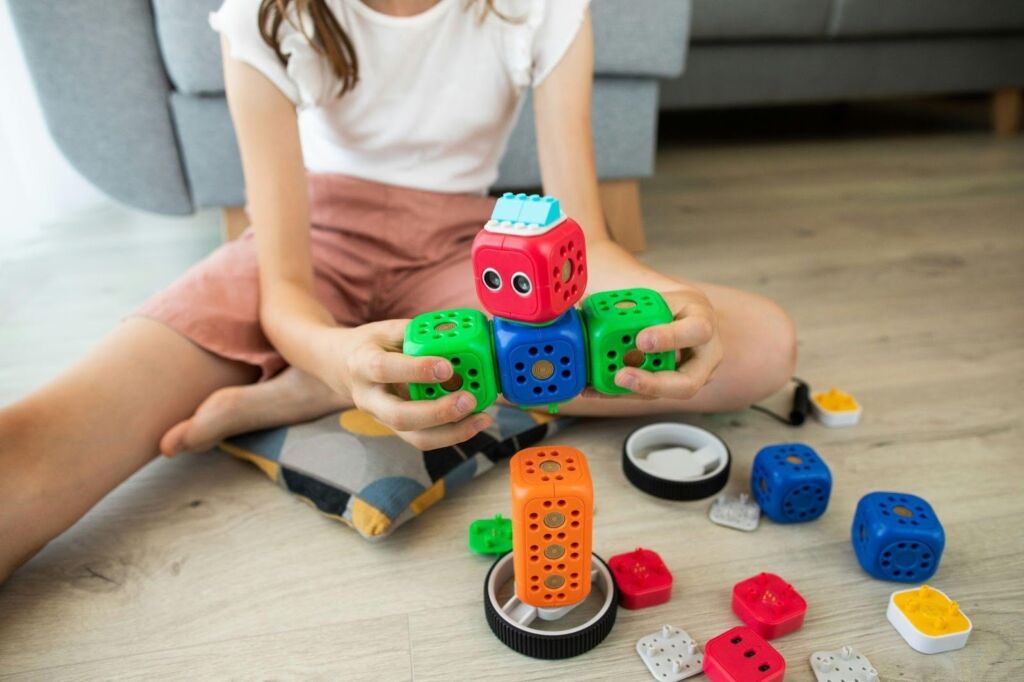
Another pivotal factor that shapes our purchasing decisions is the educational value of products. We are drawn to toys and resources that promote development in critical thinking, creativity, and motor skills. For instance, when considering toys, we often gravitate towards those that encourage active play and learning, such as building blocks or interactive books.
Also, we seek out educational tools that align with our values, whether they support STEM (science, technology, engineering, and mathematics) learning or artistic expression. This goal-oriented approach to product selection not only nourishes our children’s intellectual growth but also assures us that we are investing in their futures.
Durability and Longevity
We all know that kids can be tough on their belongings, which is why durability is a significant concern when selecting products for our little ones. We often prefer items that are built to withstand the wear and tear that comes with active play. When faced with the choice between a cheaper, flimsy option or a more robust product, we tend to favor quality, knowing that investing a bit more upfront could save us money in the long run.
Durable products not only provide better value but also contribute to sustainability by reducing waste. When we select toys or furniture that can endure the rigors of childhood, we’re making a choice that aligns with our dedication to both our children’s enjoyment and environmental responsibility.
Affordability and Value for Money
While quality is paramount, we must also consider affordability. As parents, we are often balancing budgets, and it’s essential for us to find products that deliver excellent value for money without compromising on quality. This can involve doing a bit of research, comparing prices, seeking out reviews, and looking for sales or second-hand options to maximize our purchasing power.
We also appreciate brands that offer warranties or guarantees: this additional layer of assurance speaks to the brand’s confidence in its products, making it easier for us to justify our investment.
Aesthetic Appeal and Branding
Let’s face it: aesthetics and brand reputation play significant roles in our choices as well. Many of us are drawn to products that are visually appealing, whether that means vibrant colors for toys or stylish patterns for clothing.
Also, we often gravitate towards familiar brands that resonate with our values and have established a reputation for quality. Brand loyalty can influence our decisions, as we tend to trust that certain names will deliver on the expectations they’ve set over time.
Peer Recommendations and Reviews
In this digital age, we have access to a wealth of information when making purchasing decisions. We often rely on peer recommendations and reviews, turning to online platforms and social media for insights. This reliance on community-driven feedback allows us to assess products from various perspectives, helping us feel more confident in our choices.
Whether it’s from parenting blogs, trusted friends, or product review sites, these insights often guide us toward brands and products that have proven effective for others. According to the American Academy of Pediatrics, safety concerns, environmental impact, and educational value play significant roles in our product choices.