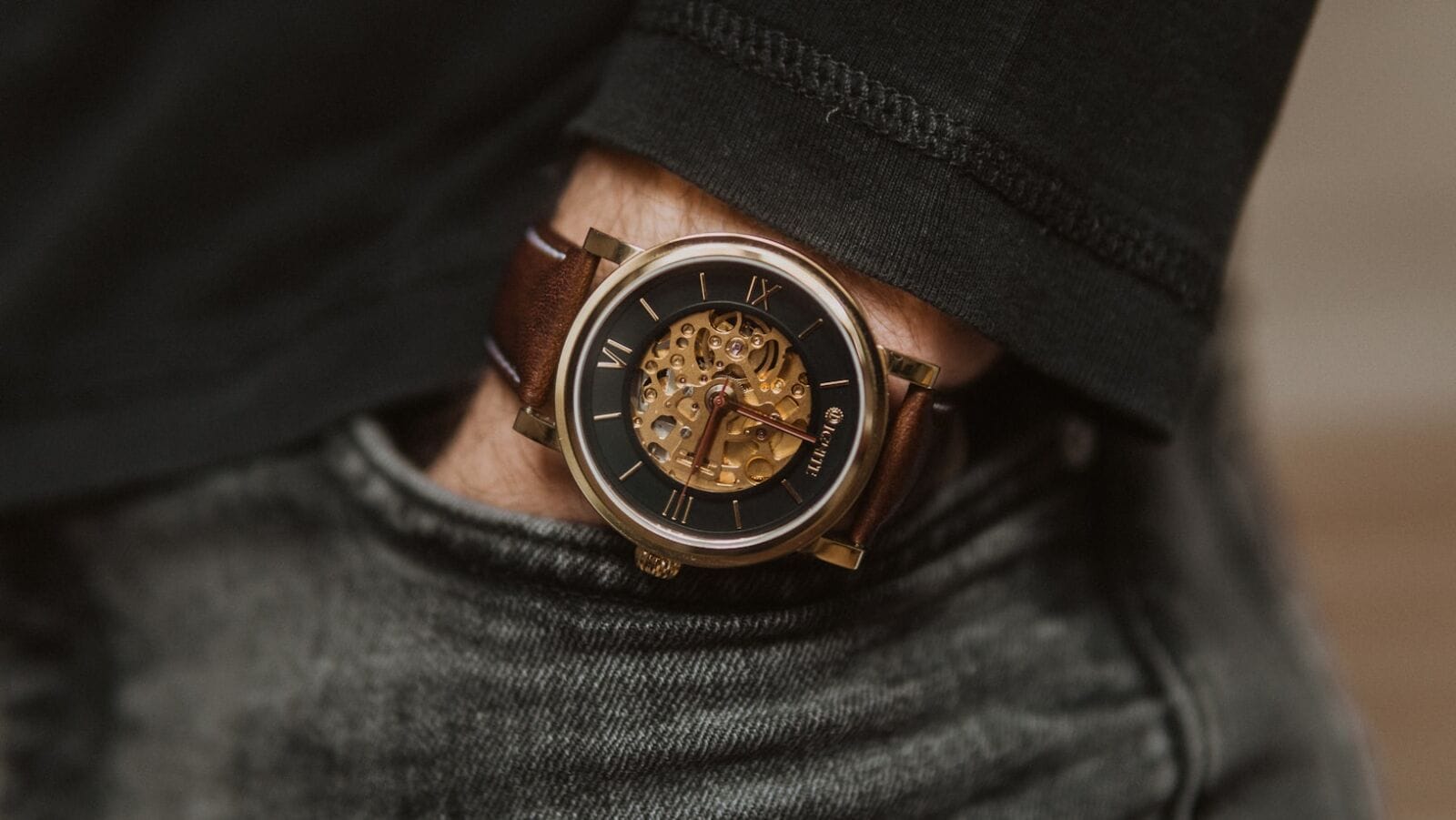
In the world of luxury timepieces, discerning collectors and watch enthusiasts are increasingly turning their attention to the pre-owned market, where they can discover exceptional value, rare finds, and sustainable luxury options. The sophisticated buyer understands that affordable certified used watches offer compelling advantages over their brand-new counterparts, combining financial prudence with horological excellence. This shift represents more than just a cost-saving measure—it reflects a fundamental understanding of watch collecting as both an art and an investment strategy.
The pre-owned luxury watch market has experienced remarkable growth, with industry experts projecting it will reach $32.05 billion by 2032, growing at a compound annual growth rate of 11.6%. This expansion signals a mature market where educated buyers recognize the inherent value proposition of pre-owned timepieces. Whether you’re a seasoned collector seeking a grail piece or a newcomer to luxury watches, the pre-owned market offers opportunities that simply don’t exist in the new watch retail space.
Significant Cost Savings Without Sacrificing Quality
The most compelling argument for choosing pre-owned watches lies in the substantial cost savings they offer. Research indicates that luxury watches can cost 20-70% less than their new counterparts, with the average watch depreciating 32.9% in the first year alone. This dramatic initial depreciation creates an immediate opportunity for savvy buyers to acquire premium timepieces at significantly reduced prices.
Consider the iconic Rolex Submariner, one of the most coveted dive watches in the world. A new Submariner No-Date (ref. 124060) carries a retail price of $9,200, while the Submariner Date (ref. 126610LN) retails for $10,400. However, pre-owned examples of recent models typically range from $7,000 to $9,000 for no-date versions, representing savings of up to 22% without compromising on quality or authenticity.
The Omega Speedmaster presents an even more compelling case study. While new Speedmaster models range from $4,000 to over $50,000 depending on the reference, pre-owned examples offer exceptional value. A recently discontinued Speedmaster Moonwatch (ref. 311.30.42.30.01.005) typically costs about $4,500 on the secondary market, compared to its original retail price of $6,400. This represents a 30% savings on a watch that maintains full functionality and aesthetic appeal.

Luxury watch value retention comparing new purchases vs pre-owned purchases over time
The depreciation pattern of luxury watches follows a predictable curve that favors pre-owned buyers. New watches experience their steepest value decline immediately after purchase, similar to automobiles. However, after the initial depreciation period, quality timepieces from respected manufacturers tend to stabilize and even appreciate in value over time. This means pre-owned buyers can avoid the immediate value loss while still enjoying the full ownership experience.
Access to Discontinued or Rare Models
The pre-owned market serves as a treasure trove for collectors seeking discontinued models, limited editions, and rare references that are no longer available through authorized dealers. This access to horological history represents one of the most significant advantages of buying pre-owned timepieces.
The early Audemars Piguet Royal Oak series exemplifies this phenomenon perfectly. The Royal Oak 15202ST “Jumbo,” discontinued in 2022, was considered one of the closest iterations to Gerald Genta’s original 1972 design. With its ultra-thin profile and faithful recreation of the original aesthetic, this reference has become increasingly sought after in the pre-owned market. What was once available at retail for around $20,000 now commands premium prices, but the pre-owned market remains the only avenue for acquiring these historically significant pieces.
Similarly, vintage Tag Heuer references tell fascinating stories of automotive partnerships and racing heritage. The rare Tag Heuer Carrera Skipper, originally commissioned in 1967 with fewer than 20 original examples ever found, has become a cult reference among collectors. Modern reissues, such as the 2017 Hodinkee collaboration limited to 125 pieces, demonstrate how the pre-owned market provides access to both original vintage pieces and contemporary limited editions that quickly sell out at retail.
The discontinued Rolex “Hulk” Submariner (ref. 116610LV) represents another prime example of the pre-owned market’s value proposition. Originally retailing for around $9,000, this green-dialed and bezeled Submariner has seen its value appreciate significantly since discontinuation, with clean examples now commanding $18,000 to $25,000. The pre-owned market remains the exclusive source for acquiring these culturally significant timepieces.
Slower Depreciation Compared to New Watches
One of the most financially compelling aspects of pre-owned watch ownership is the superior depreciation curve compared to new purchases. While new luxury watches typically lose 20-30% of their value the moment they leave the boutique, pre-owned watches have already absorbed this initial depreciation hit.
The stabilization effect is particularly pronounced in the luxury segment. Pre-owned watches from prestigious manufacturers like Rolex, Patek Philippe, and Audemars Piguet often maintain their value more effectively than new purchases. In fact, certain pre-owned models have demonstrated appreciation potential, making them more liquid assets than their new counterparts.
Data from the pre-owned market shows that prices fell only 0.3% in the second quarter of 2025, the lowest quarterly rate of decline in 13 quarters. This stability contrasts sharply with the immediate depreciation experienced by new watch purchases. For investment-minded buyers, this means pre-owned watches can serve as stores of value while providing immediate enjoyment and utility.
The “liquid asset” nature of pre-owned watches is further enhanced by their proven market demand. Established pre-owned dealers like Bob’s Watches report that business resembles running a “candy store,” with sales jumping 20% from March to May 2025. This robust demand ensures that pre-owned watch owners can more easily convert their timepieces back to cash when desired, unlike new watch owners who face immediate depreciation upon resale.
Eco-Conscious and Sustainable Luxury
The growing emphasis on sustainability in luxury consumption has made pre-owned watches an attractive option for environmentally conscious buyers. The circular economy principles that drive pre-owned watch consumption align perfectly with the values of younger luxury consumers who prioritize sustainability alongside craftsmanship and exclusivity.
Research indicates that 73% of millennials and 64% of Gen Z consumers want to invest more in quality purchases that will last. Additionally, 63% of Gen Z and 62% of millennials are willing to pay more for ethically made items. Pre-owned luxury watches satisfy both criteria by extending the lifecycle of existing timepieces while reducing the environmental impact associated with new manufacturing.
The luxury watch industry has begun embracing circular economy principles, with major brands recognizing that sustainability and exclusivity can coexist. Pre-owned watch consumption represents a form of “accessible luxury” that appeals to environmentally conscious consumers who understand that the most sustainable luxury good is one that already exists.
The environmental benefits of pre-owned watch ownership extend beyond reduced manufacturing impact. Quality mechanical watches are designed to last generations with proper care and maintenance. By choosing pre-owned timepieces, buyers participate in a sustainable consumption model that values longevity, repairability, and timeless design over disposable luxury goods.
Younger consumers increasingly view pre-owned luxury purchases as a form of conscious consumption that aligns with their values. This shift has contributed to the pre-owned luxury watch market’s projected growth from $11.94 billion in 2023 to $32.05 billion by 2032. The trend reflects a broader cultural movement toward sustainable luxury that prioritizes quality, heritage, and environmental responsibility.
FEATURED NEWS: How the West Valley evolved into hotbed for innovation and growth
INDUSTRY INSIGHTS: Want more news like this? Get our free newsletter here
Verified Authenticity and Certification Options
Modern pre-owned watch buying has evolved far beyond the traditional risks associated with secondhand purchases. Today’s market offers sophisticated authentication services, comprehensive warranties, and certification programs that provide buyers with confidence and security comparable to new watch purchases.
Major manufacturers have entered the certified pre-owned space with comprehensive programs. Rolex’s Certified Pre-Owned program, launched in select markets, provides authentication, full servicing, and a two-year international warranty for watches over three years old. Similar programs from Richard Mille, Chronoswiss, and other manufacturers demonstrate the industry’s commitment to supporting the pre-owned market.
Independent authentication services have also raised the bar for pre-owned watch security. Companies like Watch Certificate™ provide blockchain-secured authentication with 53 control points, high-definition photography, and theft verification. These services offer accuracy rates exceeding 99% and provide buyers with tamper-proof digital certificates that serve as permanent records of authenticity and condition.
Trusted dealers in the pre-owned market offer comprehensive authentication processes and warranties that often exceed those provided by manufacturers. Bob’s Watches, for instance, provides a lifetime authenticity guarantee and full restoration services using genuine manufacturer parts. Crown & Caliber (now part of Hodinkee) offers similar assurances, with each watch undergoing rigorous inspection and authentication before sale.
The Smart Choice for Modern Collectors
The pre-owned luxury watch market represents a mature, sophisticated ecosystem that offers compelling advantages for today’s discerning buyers. The combination of significant cost savings, access to rare and discontinued models, superior depreciation characteristics, environmental sustainability, and comprehensive authentication services creates a value proposition that new watch purchases simply cannot match.
For collectors and enthusiasts who understand that luxury watches are both functional instruments and stores of value, the pre-owned market provides the optimal balance of financial prudence and horological excellence. Whether seeking a first luxury timepiece or adding to an established collection, the pre-owned market offers opportunities that reflect both smart financial decision-making and deep appreciation for watchmaking artistry.
The shift toward pre-owned watch ownership represents more than a simple cost-saving measure—it embodies a sophisticated understanding of luxury consumption that values heritage, sustainability, and intelligent collecting. As the market continues to mature and authentication services become increasingly sophisticated, the advantages of choosing pre-owned timepieces over new ones will only become more compelling for smart buyers who recognize value in all its forms.