Across the Valley, students have been back in the classroom for a few weeks. By now, parents and teachers may be noticing children who struggle to focus, cannot sit still or seem exhausted by midmorning. For some children, those struggles may not begin in the classroom. They may begin while they sleep.
Obstructive sleep apnea, or OSA, affects an estimated 1% to 4% of children, according to the American Academy of Pediatric Dentistry (AAPD). Untreated pediatric OSA has been associated with learning and behavioral problems, among other health concerns.
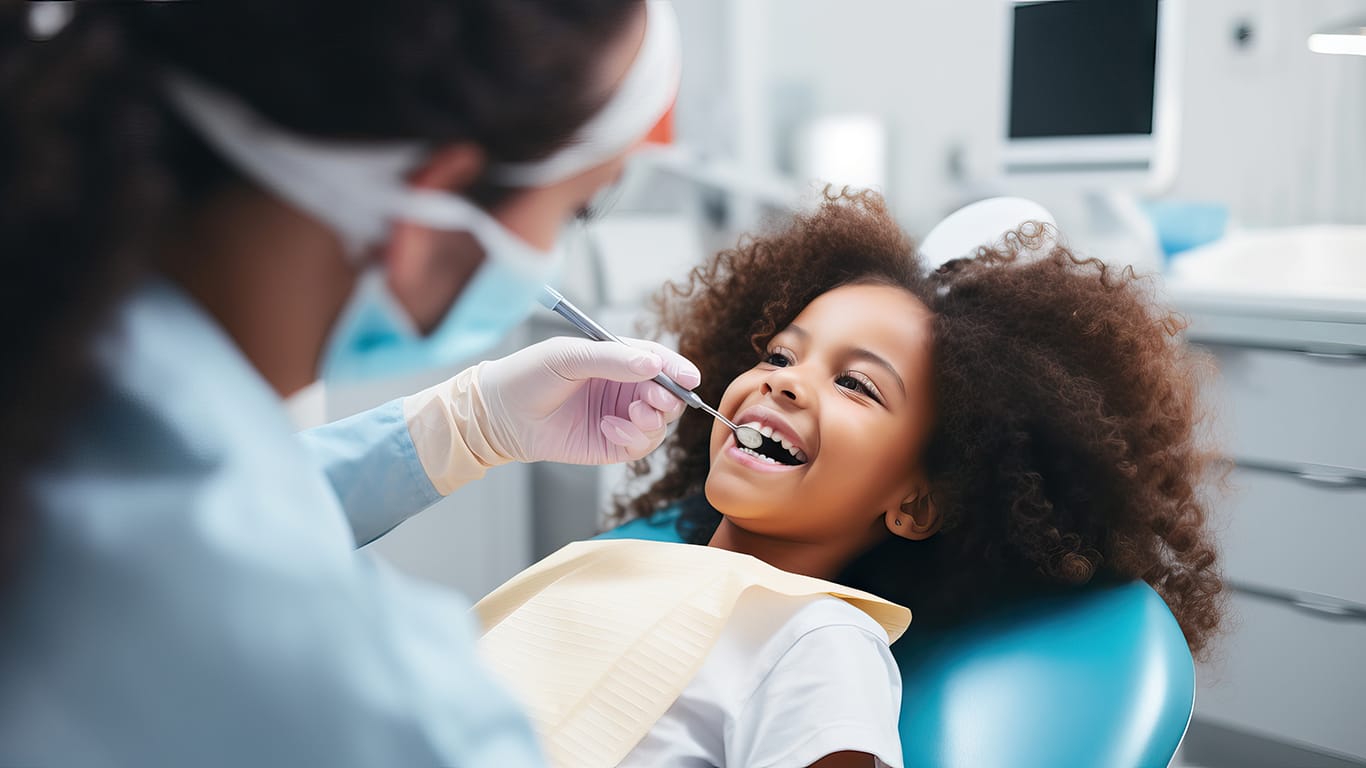
And sometimes, clues first emerge in the dental chair.
“Parents may first think about attention or behavior because that is what they are seeing during the school day,” said Dr. Amelia M. Ellingson, DMD, of Swiss Biologic Dentistry in Phoenix. “But when a child is also snoring, mouth breathing or sleeping restlessly, it is worth looking at what is happening at night, too.”
DEEPER DIVE: Arizona has 6 of the 30 happiest cities in America
INDUSTRY INSIGHTS: Want more news like this? Get our free newsletter here
When poor sleep looks like a behavior problem
Poor sleep does not always look like sleepiness in children.
Some children may seem tired, while others become restless, irritable or unusually active. Difficulty concentrating, trouble waking up and changes in school performance can also appear during the day.
At night, parents may notice loud snoring, mouth breathing, restless sleep, repeated waking, pauses in breathing or gasping.
“Kids do not always show fatigue the way adults do,” Dr. Ellingson says. “Sometimes what you notice first is the child who cannot focus, is difficult to wake or seems to be working much harder than they should just to get through the day.”
Why sleep may enter the ADHD conversation
Attention-deficit/hyperactivity disorder and sleep-related breathing disorders are separate conditions, and one should not be assumed to explain the other.
But some symptoms can overlap. The AAPD notes that sleep fragmentation from obstructive events may contribute to hyperactivity, behavioral problems and impaired academic performance in younger children. Research also supports an association between sleep-disordered breathing and attention or behavior problems, but those shared symptoms do not establish that a sleep disorder is the cause.
“The goal is not to look at a child with attention problems and assume they have sleep apnea,” Dr. Ellingson said. “It is to make sure sleep and breathing are part of the conversation when the symptoms overlap, especially if there are signs like snoring or mouth breathing.”
What a dentist may notice
A dental exam offers a view of structures closely connected to breathing, including the tongue, palate, jaws and surrounding oral anatomy.
The AAPD advises dental professionals to screen for sleep-related breathing disorders and be aware of factors including tongue position, tonsillar enlargement and craniofacial differences. Findings such as crowded teeth, a narrow palate or certain patterns of jaw development may prompt additional questions about breathing and sleep.
“A dentist cannot diagnose sleep apnea by looking in a child’s mouth,” Dr. Ellingson says. “What we can do is recognize patterns, ask the right questions and know when a medical evaluation may be appropriate.”
When OSA is suspected, the AAPD recommends referral to an appropriate medical provider.
Airway-focused care goes beyond straight teeth
As children grow, breathing and oral development may also factor into orthodontic planning.
“When we look at a growing child, the question is not only, ‘Are the teeth straight?’” Dr. Ellingson said. “We are also looking at how the jaws, tongue and oral structures are developing and functioning together.”
That does not mean orthodontic findings diagnose an airway disorder. The AAPD recommends a multidisciplinary approach when dental or orthodontic treatment is considered as part of pediatric OSA care.
Depending on the concern, further evaluation may involve a pediatrician, otolaryngologist, pulmonologist or sleep medicine physician.
The signs parents should not ignore
Not every child who snores has sleep apnea, and one restless night is not a diagnosis. Persistent patterns deserve more attention.
Frequent loud snoring, witnessed pauses in breathing, gasping during sleep, persistent mouth breathing or significant daytime fatigue and behavior changes should be discussed with a healthcare provider.
“Snoring once in a while is very different from a child who snores night after night or seems to stop breathing and then gasp,” Dr. Ellingson said. “When a pattern keeps happening, it is worth bringing up.”
Parents can also ask a few simple questions: Does my child snore regularly? Do they breathe through their mouth during the day? Are they unusually hard to wake in the morning? Has a teacher noticed that they seem tired, distracted or unable to focus?
The bigger picture
The first weeks of school have a way of making patterns more visible. For many children, attention or behavior struggles will have nothing to do with sleep. For others, nighttime breathing may be one piece of a larger puzzle.
“Parents, teachers, dentists and physicians all see a different part of a child’s day,” Dr. Ellingson said. “Sometimes it is only when you put those observations together that the pattern becomes clear.”
The takeaway is not to assume a diagnosis, but to look at the full picture: what happens in the classroom and what happens after the lights go out.