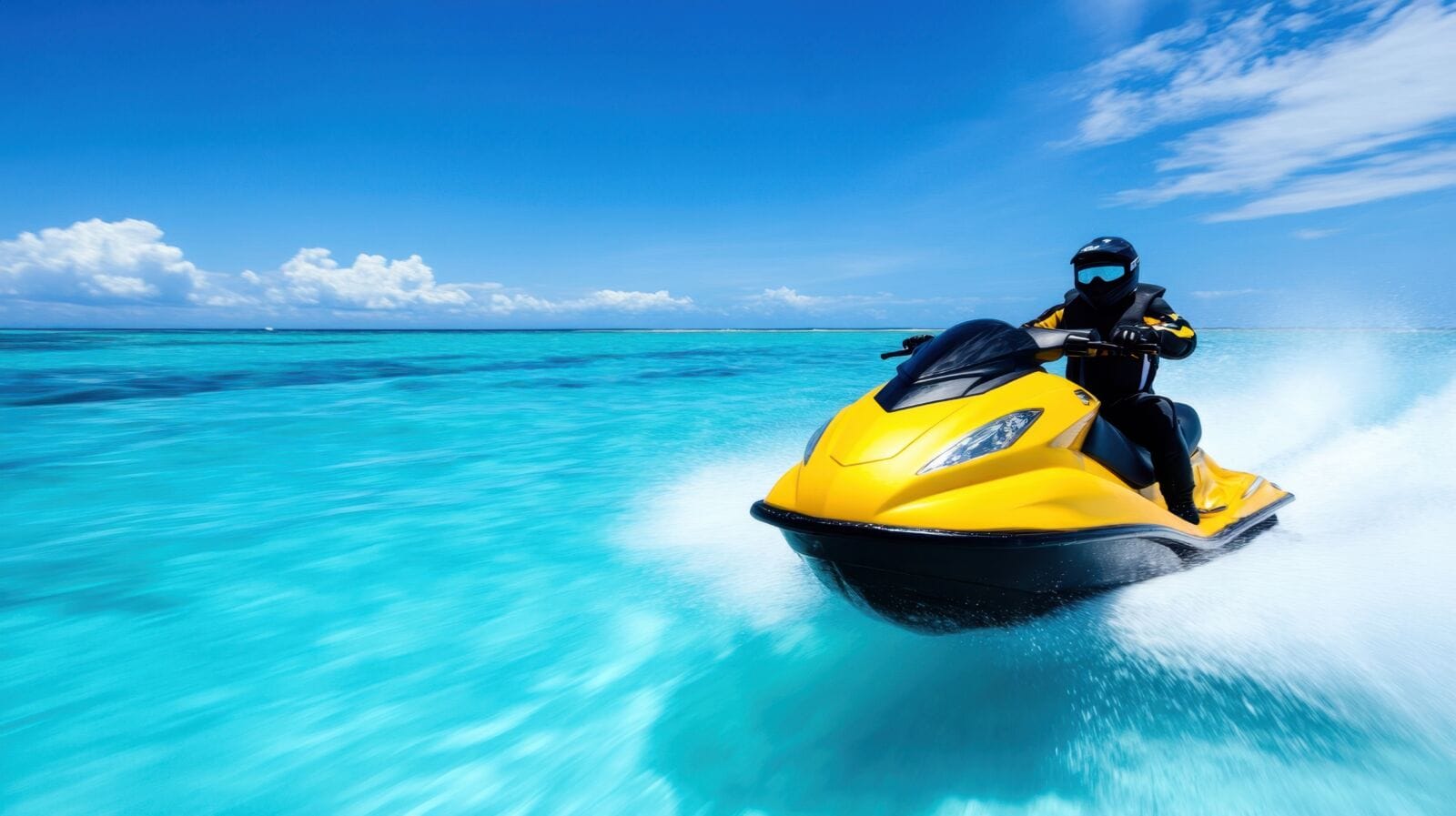
A WaveRunner is simple to enjoy, but not always simple to order parts for. Model year, engine package, riding style, storage conditions, and even small mounting details can change what belongs on the craft.
For a cleaner order, match Yamaha WaveRunner parts to the actual model and job at hand, not just to a photo that looks close. The right filter, battery item, pump component, cover, or hardware piece should fit the craft and the reason you are servicing it.
Start With Three Details: Model, Year, and Purpose
The most reliable way to choose replacement parts is to define the machine first. Confirm the WaveRunner model, year, and engine details before looking at individual components. A part that fits one generation may not fit another, even when the craft looks similar from the outside.
After that, define the purpose of the order. This is where WaveRunner buying becomes more practical. An order for spring prep is different from an order for a no-start issue. A storage-related order is different from an accessory installation. Treating all of them the same usually leads to missed parts.
A useful first sort looks like this:
- Maintenance: filters, spark plugs, fluids, gaskets, battery-related items
- Repair: fuel, electrical, steering, pump, hull, or hardware components
- Accessories: covers, protection items, safety gear, mounting pieces
- Seasonal prep: service parts, storage items, inspection-related replacements
Once the model and purpose are clear, the rest of the order becomes easier to build without guessing.
Which Yamaha WaveRunner Parts Commonly Need Attention?
WaveRunner ownership usually involves two types of parts planning: routine maintenance and condition-based replacement. Routine maintenance keeps the craft ready for normal use. Condition-based replacement depends on what is worn, damaged, missing, corroded, or not working as it should.
Common categories include filters, spark plugs, batteries, fuel-related components, pump and steering parts, covers, safety accessories, fasteners, clips, seals, and other model-specific pieces. Some are obvious because they affect how the craft runs. Others are small enough to overlook until the job stops.
| Order purpose | Parts often involved | Easy-to-miss detail |
| Pre-season maintenance | Plugs, filters, battery-related items, gaskets | Old fuel or weak battery condition |
| Running issue | Fuel parts, ignition items, electrical connections | Corrosion at connectors |
| Pump or steering concern | Pump parts, steering components, hardware | Worn or missing small fasteners |
| Accessory installation | Covers, safety accessories, mounts, clips | Required hardware or fitment notes |
| Storage prep | Covers, protection items, replacement hardware | Weather exposure and strap condition |
The table is not meant to replace a model-specific parts lookup. It is a reminder that the visible part is often only one piece of the job.
Fitment Is Where Most Wrong Orders Begin
Personal watercraft parts can be deceptively similar. A cover may look close. A clip may seem standard. A filter or plug may appear familiar from another Yamaha model. That visual similarity is not enough.
Fitment should be checked by model and year because small design differences can affect mounting points, dimensions, electrical connections, or service requirements. This is especially important for parts tied to the engine, fuel system, electrical system, pump assembly, steering, hull trim, or accessory mounting.
The most common buying mistakes are predictable:
- ordering without confirming the model and year
- assuming one part fits all WaveRunner models
- forgetting small hardware or support pieces
- replacing the visible failed item without checking nearby components
- waiting until the first good weekend of the season to order routine parts
Most of these problems are preventable. They come from ordering too quickly, not from the part being especially complicated.
Match the Order to the Way the Craft Is Used
A WaveRunner used every weekend needs a different planning mindset from one that sits for months between rides. Saltwater use, storage exposure, towing, passenger load, and riding style can all affect what deserves attention.
For example, a craft coming out of storage may need battery checks, fresh maintenance items, and a close look at fuel condition before the first ride. A machine used hard through the summer may deserve more attention around pump performance, steering response, plugs, filters, and small hardware. An accessory order may depend less on engine details and more on fit, mounting, and whether extra clips or brackets are needed.
The point is to avoid building the order around a single part name. Build it around the situation. That makes the order more complete and reduces the chance of discovering the missing piece after the seat, panel, or access cover is already off.
Why Small WaveRunner Parts and Accessories Can Affect Seasonal Readiness
The most frustrating WaveRunner delay is often not caused by a major component. It is the small piece nobody added to the order: a gasket, clip, seal, fastener, plug, filter, or battery-related item. The part may cost little, but the delay can cost a weekend.
This matters most during peak season. When the craft is already due for service, a missing small part can turn a simple maintenance window into another wait for delivery. The same applies to accessories. A cover, safety item, or mounting accessory may be straightforward, but installation can stall if the required hardware is not part of the plan.
A better approach is to look around the part you are replacing. If one piece failed, ask what supports it, seals it, secures it, or connects to it. That habit catches many of the small items that owners miss.
Organize the Order Before Checkout
A clean order does not need to be complicated. It just needs to be organized. Before checkout, group items by system or purpose so you can spot gaps.
For maintenance, check filters, plugs, battery condition, gaskets, and any service-related hardware. For repairs, identify the affected system first: fuel, electrical, steering, pump, hull, or controls. For accessories, confirm the model year and review whether mounting hardware is included or required separately.
Then review the order once more from the perspective of the job itself. If you were starting the work today, would anything stop you halfway through? That question is often more useful than simply asking whether the main part is in the cart.
Yamaha WaveRunner Parts Checklist Before Ordering
Use this quick checklist before placing the order:
- Confirm the exact WaveRunner model and year.
- Identify the purpose: maintenance, repair, accessory, or seasonal prep.
- Match the part to the correct system or installation area.
- Check nearby hardware, seals, clips, gaskets, and wear items.
- Review fitment notes before checkout.
- Order seasonal maintenance items before peak use, not after the first problem appears.
FAQ
What should I inspect after a WaveRunner has been stored for months?
Check the battery, fuel condition, spark plugs, visible hoses, electrical connections, and signs of corrosion. Also, inspect the seat, storage areas, drain plugs, and cover condition before putting the craft back into regular use.
Are accessories as fitment-sensitive as mechanical parts?
Sometimes, yes. Covers, mounts, storage items, and safety accessories may depend on model shape, year, or attachment points. They may not affect engine operation, but the wrong fit can still make the purchase unusable.
Should I order spare hardware with replacement parts?
It is often smart to review clips, fasteners, seals, and small mounting pieces before ordering. Older or salt-exposed hardware can break, strip, or disappear during removal.
How early should I plan a pre-season parts order?
Plan it before the first stretch of warm weather, not after. Pre-season timing gives you room to inspect the craft, correct small issues, and avoid rushing maintenance when everyone else is trying to get back on the water.