
In 2014, diamond expert Paul Zimnisky highlighted Zimbabwe’s Marange fields as a major global producer. Twelve years later, the country’s diamond industry faces both progress and challenges. This article examines whether Zimbabwe has lived up to Paul’s expectations in production, governance, and market influence.
Paul’s 2014 Assessment of Zimbabwe’s Diamond Potential
In his 2014 report, Paul Zimnisky emphasized that the Marange diamond fields produced nearly 17 million carats, representing 13% of global supply. He noted that easy-to-mine gravel was rapidly depleting, predicting a production drop to 8–12 million carats.
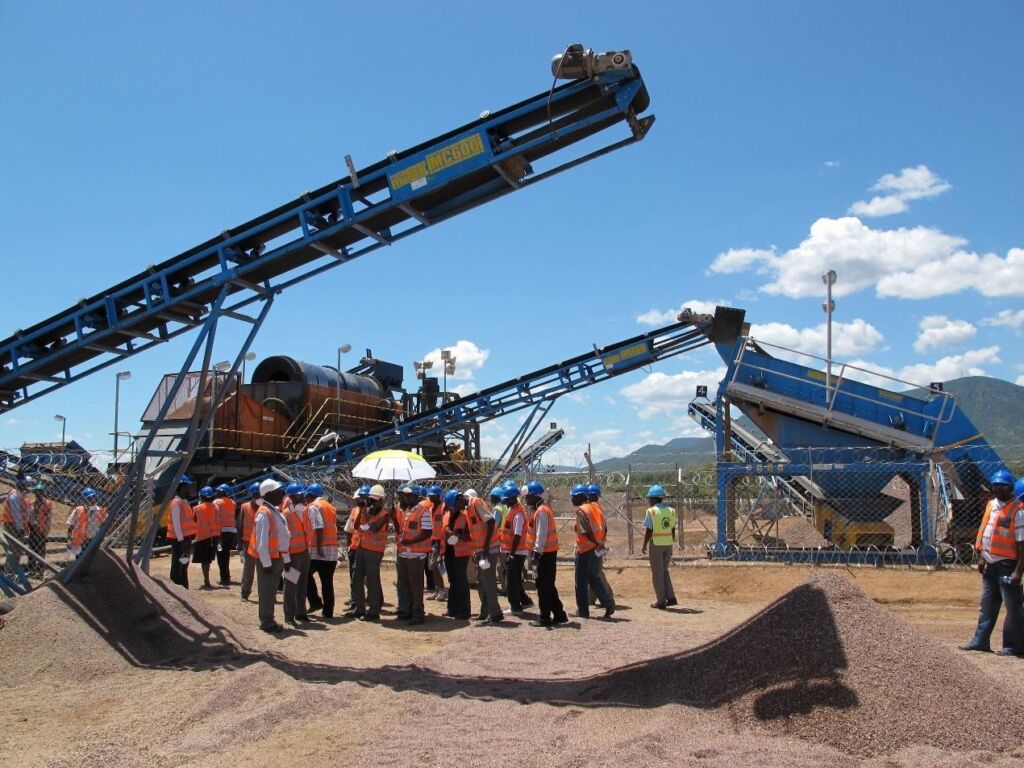
Zimbabwe’s diamond mining industry is centered primarily around the Marange and Murowa fields, making it one of Africa’s notable producers. The country extracts both alluvial and kimberlite diamonds, with Marange known for large alluvial deposits. Production has contributed significantly to national revenue, yet the industry faces persistent challenges, including resource depletion, governance and regulatory issues, and occasional smuggling. Efforts to improve oversight, beneficiation, and certification through the Kimberley Process aim to enhance credibility and market access.
Despite these challenges, Zimbabwe’s diamond sector remains strategically important, offering opportunities for economic growth, job creation, and local development when managed effectively. Paul also raised concerns about transparency. Seven private companies operated in Marange, yet none offered clear production guidance. He warned that economic viability could decline as the alluvial resources diminished.
Globally, Zimbabwe’s diamond output ranked it among the top producers, behind Botswana and Russia. However, Paul highlighted that Marange’s alluvial nature meant a shorter mine lifespan compared to deep underground operations. De Beers’ Orapa mine in Botswana, by contrast, benefited from long-term planning and expansion projects, showcasing differences in sustainability.
Production Trends in Zimbabwe Since 2014
Over the past twelve years, Zimbabwe’s diamond production has fluctuated significantly. Initially, the government and private operators managed to maintain production near Paul’s lower estimates, around 8–10 million carats annually.
However, illegal mining and smuggling have persisted, reducing revenue and market reliability. According to industry analysts, Marange’s easily recoverable resources were depleted faster than expected. Technological upgrades have enabled some recovery, but large-scale, high-quality production remains limited.
Despite challenges, Zimbabwe has introduced the Zimbabwe Mining Development Corporation (ZMDC) to improve governance and attract investment. Paul had anticipated the need for stronger institutional oversight to maintain production and market trust. While progress has been made, the country’s diamond output still falls short of the consistent global impact he envisioned.
READ MORE: Here is the outlook for Phoenix’s 2026 housing market
LOCAL NEWS: Want more stories like this? Get our free newsletter here
Market Impact and Global Competitiveness
Paul predicted that Zimbabwe’s diamonds could influence global supply if production stabilized. In reality, Zimbabwe’s share of the global diamond market has been modest. Botswana and Russia remain dominant due to higher-volume and longer-life mines.
Price stability has also been a concern. While Botswana’s Jwaneng and Orapa mines supply predictable, high-value carats, Zimbabwe’s alluvial diamonds face quality and consistency challenges. This variability limits Zimbabwe’s competitiveness in the polished diamond market.
Investment in downstream processing has been slow. Paul foresaw that without local beneficiation, Zimbabwe would struggle to capture value beyond rough diamond exports. Initiatives like the Marange Diamond Beneficiation Program exist but have yet to fully transform the sector.
Paul’s Theory on Governance and Regulatory Lessons on Diamonds in Zimbabwe
Twelve years on, Paul’s emphasis on transparency and governance remains highly relevant. Zimbabwe has strengthened its legal framework, but corruption and unclear reporting persist. International buyers often demand third-party verification of production, which Marange has struggled to provide consistently.
The Kimberley Process Certification Scheme continues to monitor Zimbabwean diamonds. Yet, occasional reports of illicit trade illustrate the governance gap Paul highlighted. Analysts suggest that without further institutional reform, Zimbabwe may not fully realize the potential he envisioned in 2014.
The Final Cut: Did Diamonds in Zimbabwe Meet Paul Zimnisky’s Expectations?
Zimbabwe’s diamond industry has delivered mixed results. Production initially aligned with Paul’s cautious estimates but has declined due to resource depletion and governance issues. Market influence remains limited compared to Botswana and Russia.
Paul’s foresight about short mine life, governance challenges, and the need for transparency has largely proven accurate. While improvements in oversight and beneficiation exist, Zimbabwe has yet to fully leverage its diamond wealth.
Moreover, the limited reinvestment of diamond revenues into infrastructure, education, and local economic development has constrained broader national benefits. Persistent challenges in regulatory enforcement and smuggling have reduced potential earnings.
Despite these issues, Zimbabwe’s experience demonstrates how emerging producers must balance resource exploitation with governance, transparency, and long-term sustainability. While improvements in oversight and beneficiation exist, Zimbabwe has yet to fully leverage its diamond wealth. The country’s experience offers valuable lessons for emerging diamond producers worldwide.