
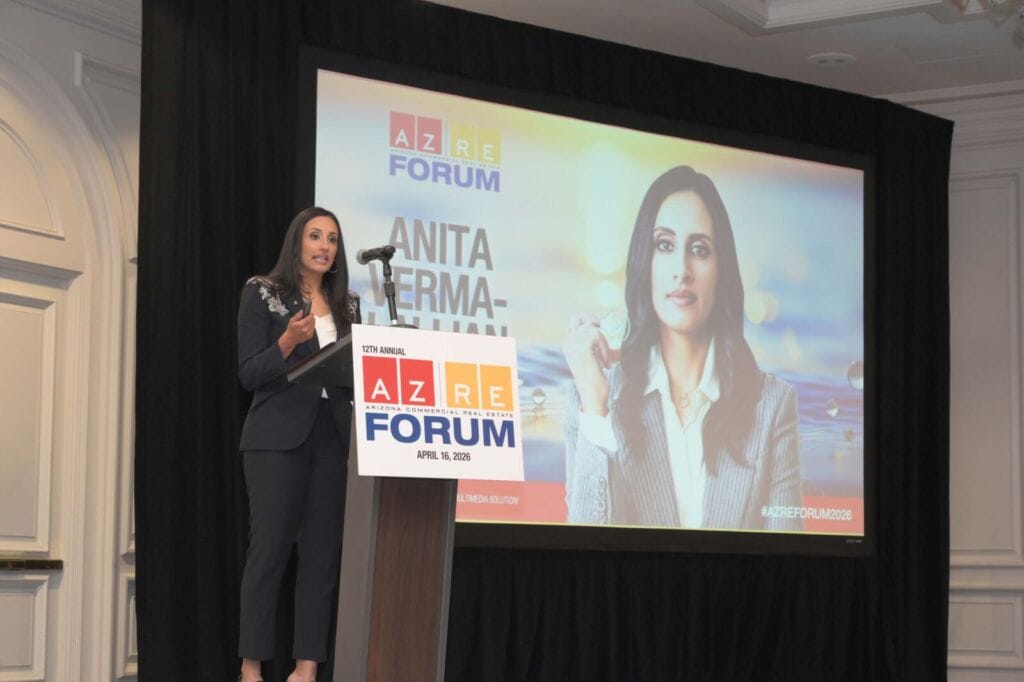
At the 2026 AZRE Forum at The Camby in Phoenix, Anita Verma-Lallian, founder and CEO of Arizona Land Consulting, delivered a clear message to the state’s real estate leaders: the rules of development in Arizona have fundamentally changed.
For decades, success in land development was driven by location, price and timing. Today, Verma-Lallian says, those factors have taken a backseat to a new reality — infrastructure.
“It’s no longer just about finding the right land,” she told the audience. “Now we’re asking: Where’s the power coming from? Is there long-term water? And can we get those resources fast enough and at a cost that makes the project viable?”
DEEPER DIVE: As drinking water sources shrink, how is Arizona creating more drinking water?
INDUSTRY INSIGHTS: Want more news like this? Get our free newsletter here
That shift is being fueled by unprecedented demand. Population growth, the rise of artificial intelligence, the expansion of data centers and large-scale industrial projects are accelerating development across the state — often faster than infrastructure can keep up.
Arizona is now one of the fastest-growing data center markets in the country, putting immense pressure on the power grid. Verma-Lallian noted that Arizona Public Service’s peak load is expected to double within the next decade — a pace of growth that far exceeds historical trends.
“Power is the new currency,” she said. “If you can solve power, you’ve solved one of the biggest challenges in development today.”
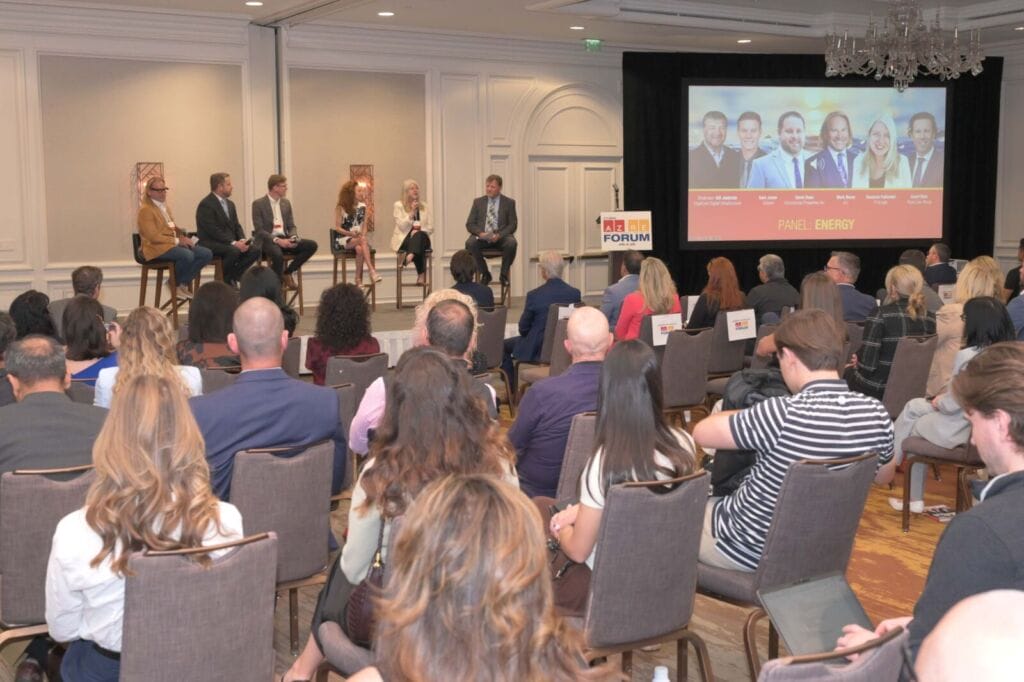
Verma-Lallian was the keynote speaker at an event that featured some of the greatest minds in Arizona’s business an real estate communities. The 2026 AZRE Forum was broken down into three sections — Verma-Lallian’s keynote speech kicked off the event, an expert panel discussion on energy followed and an expert panel discussion on water concluded the event. The beverage sponsor of the AZRE Forum was Wolverine Builders, the dessert sponsor was Tpac and the signature sponsor was TRUEFORM Landscape Architecture Studio.
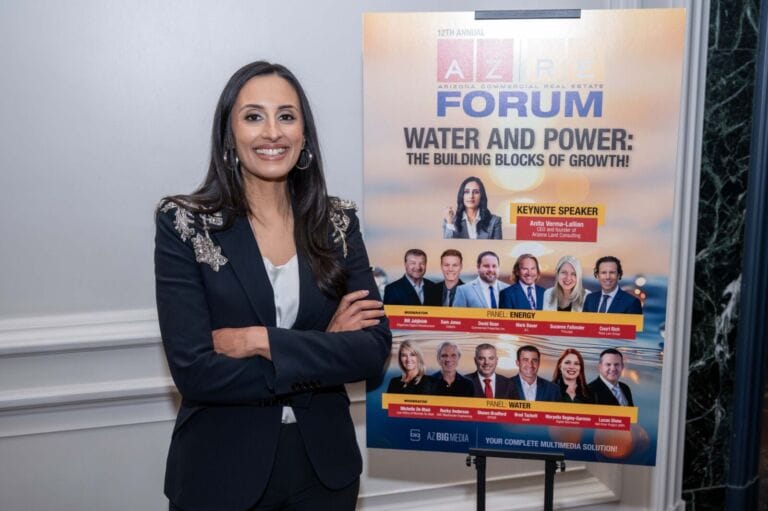
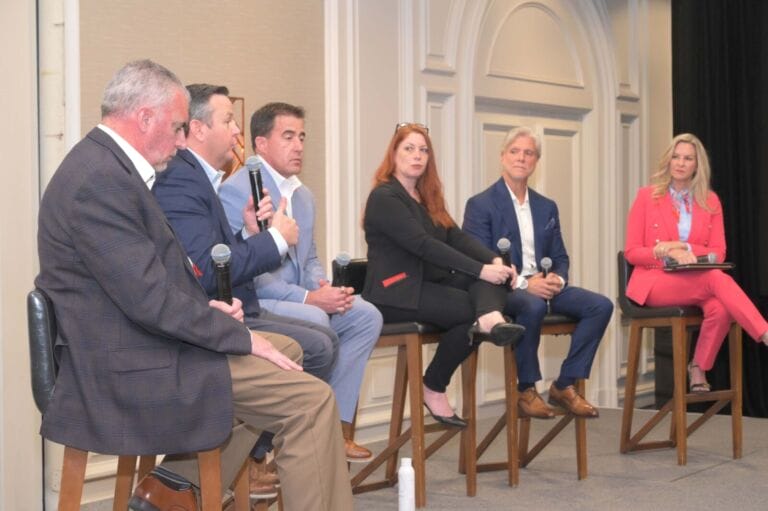
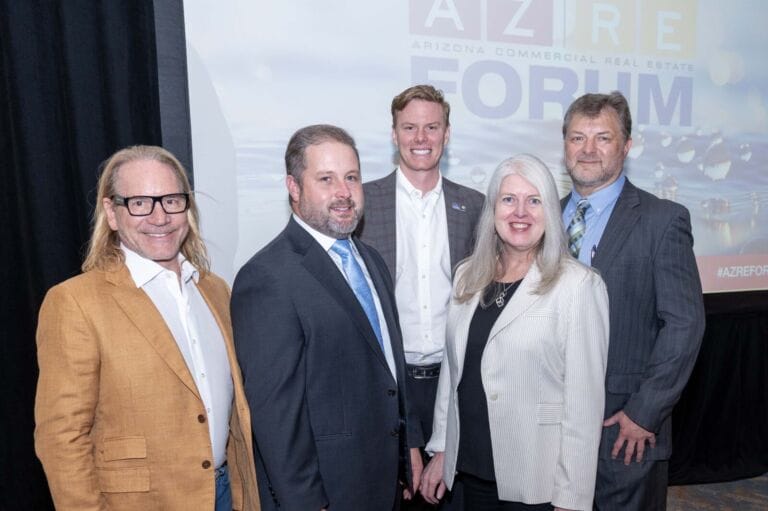
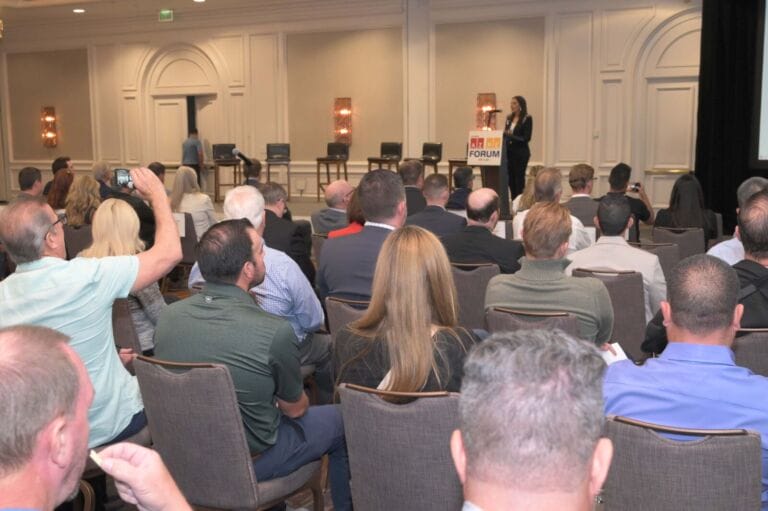




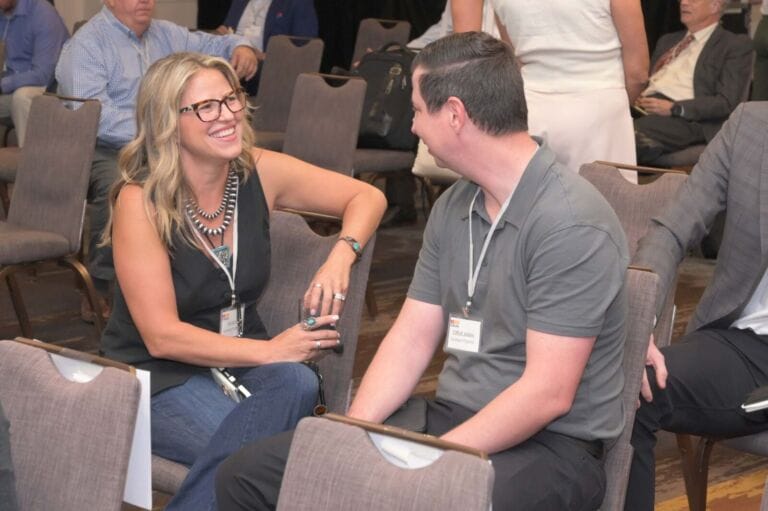


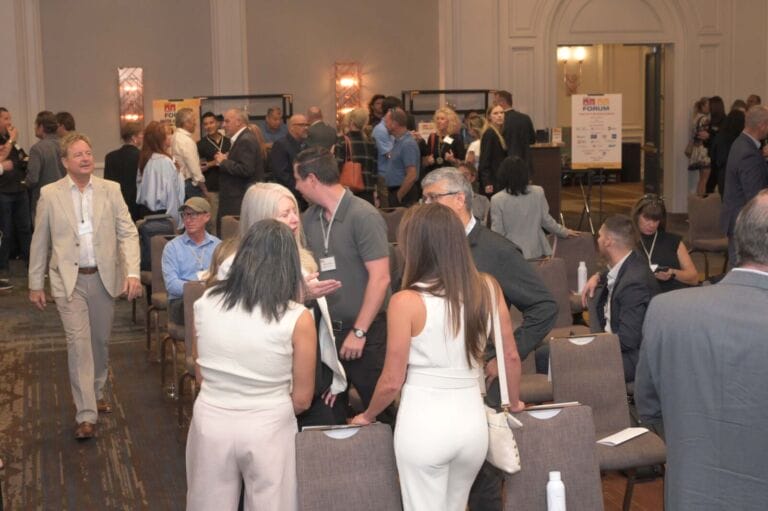
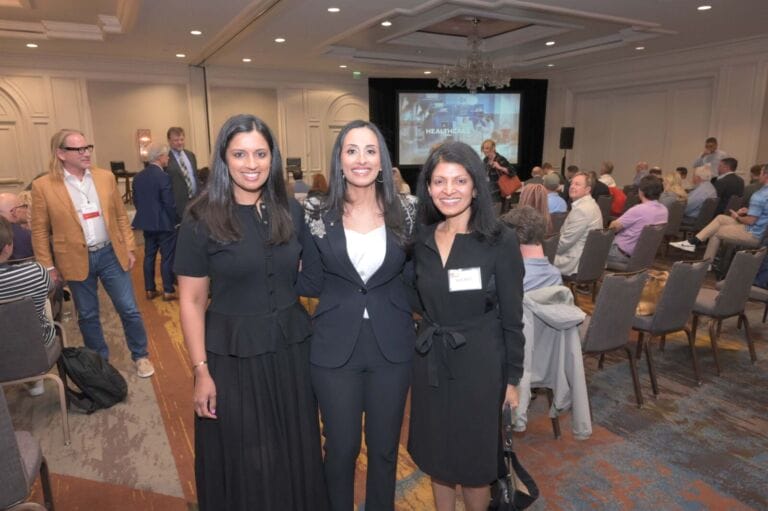

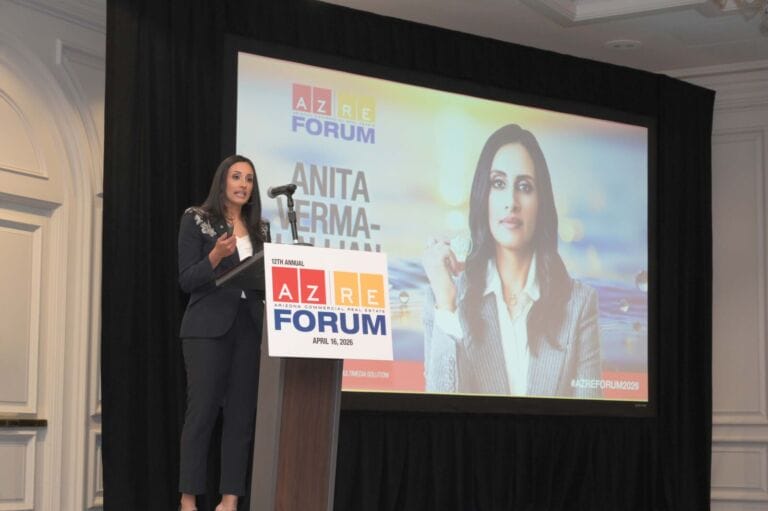
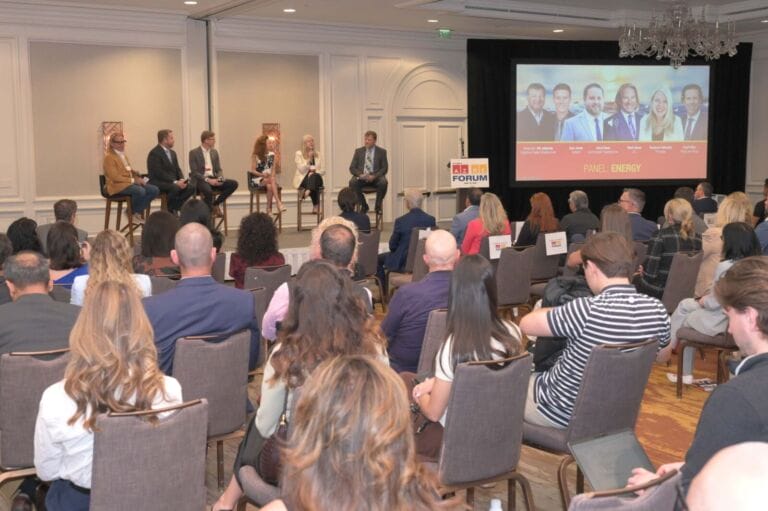
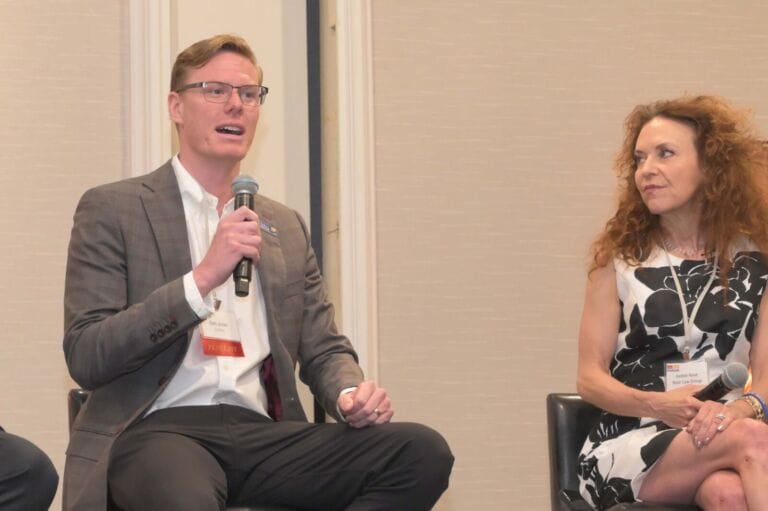

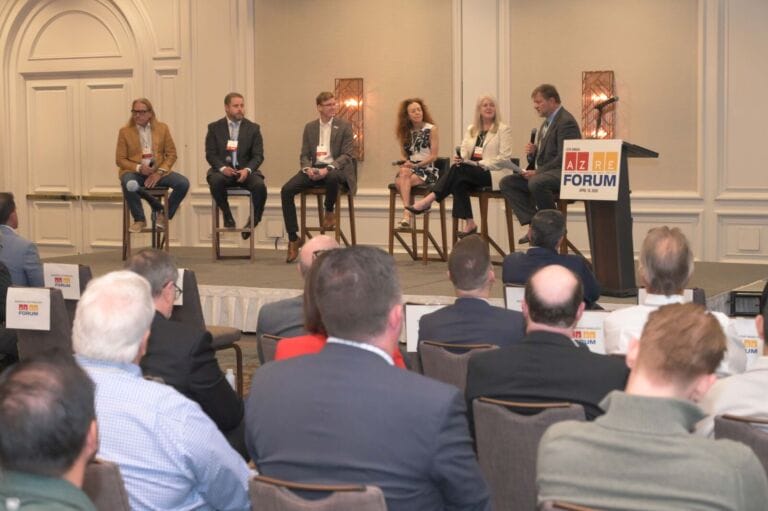
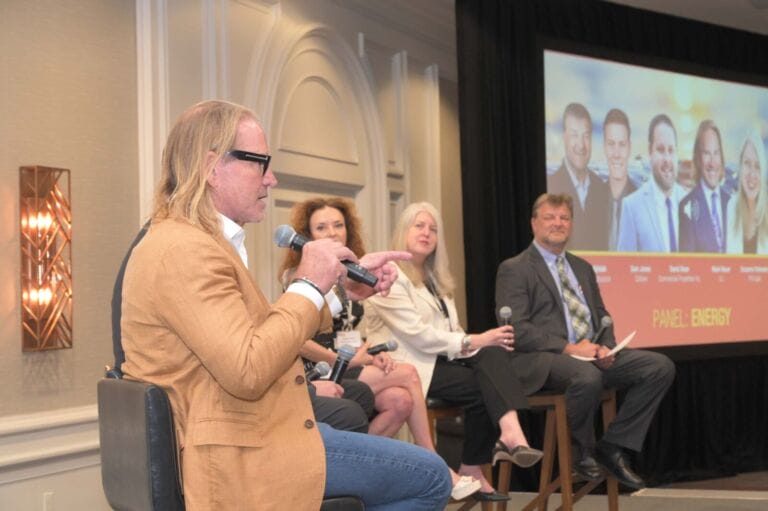

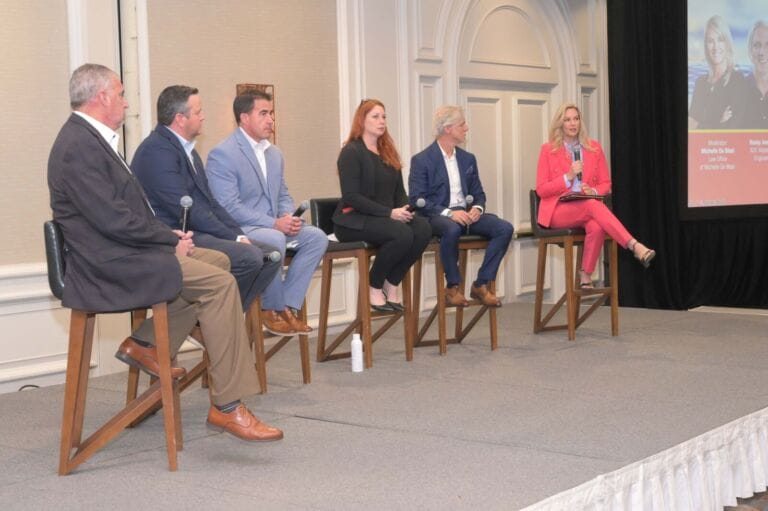



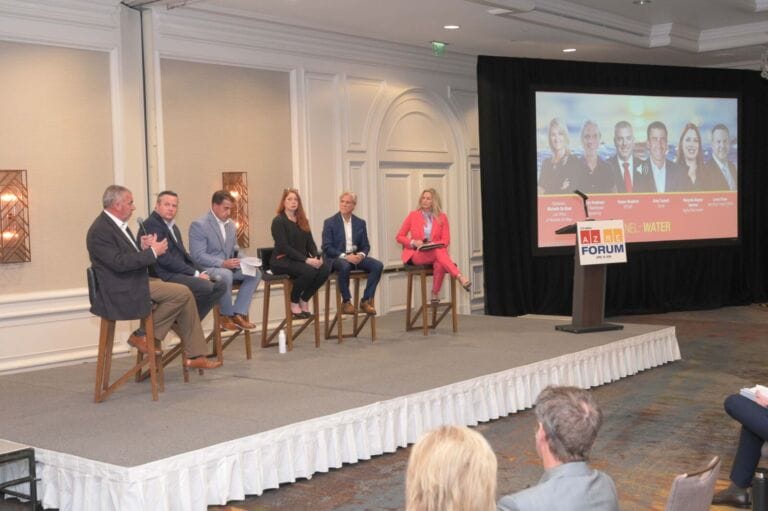
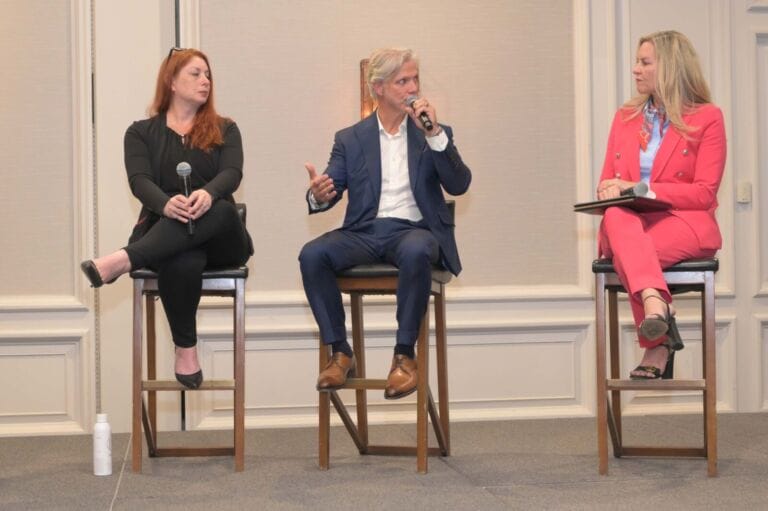

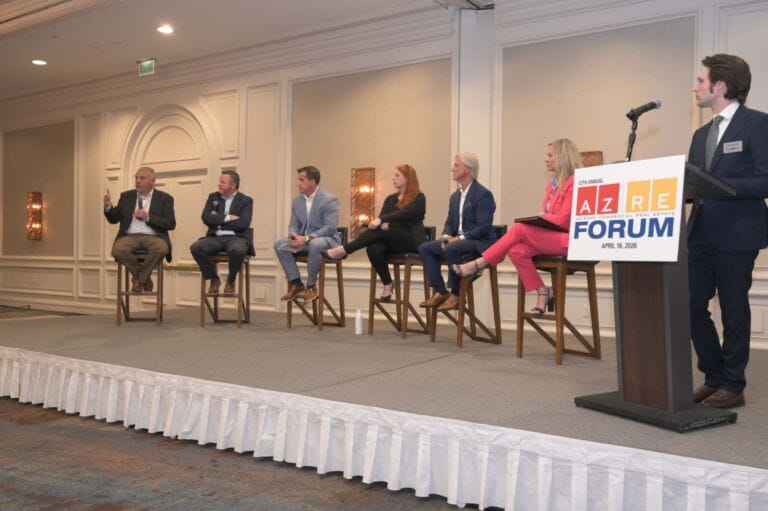
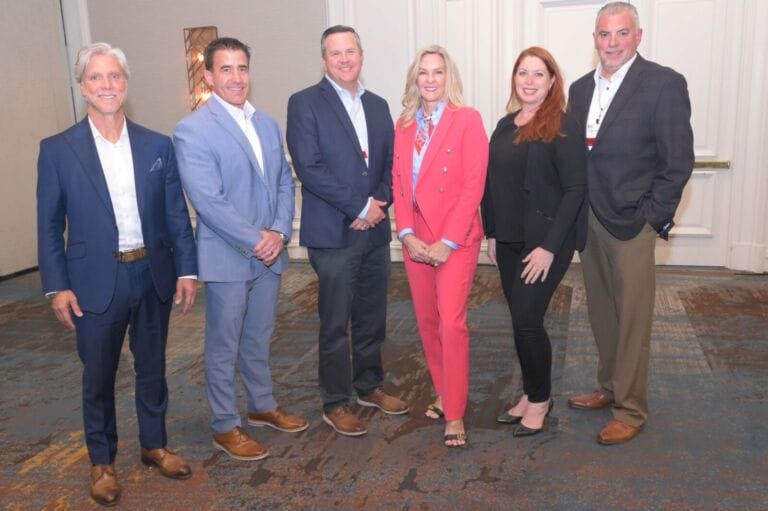

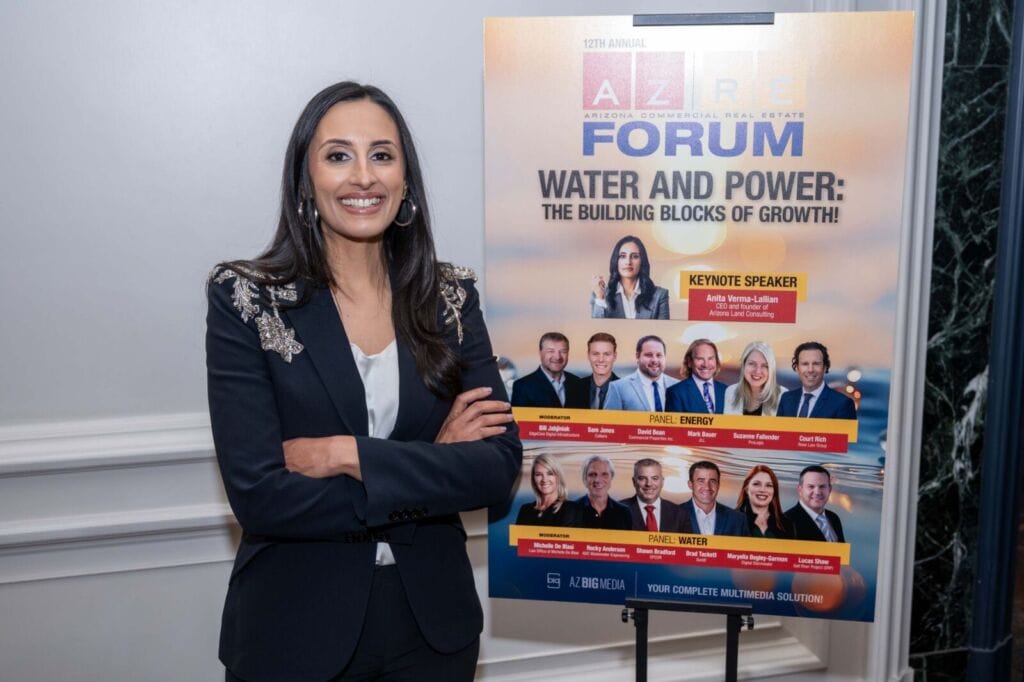
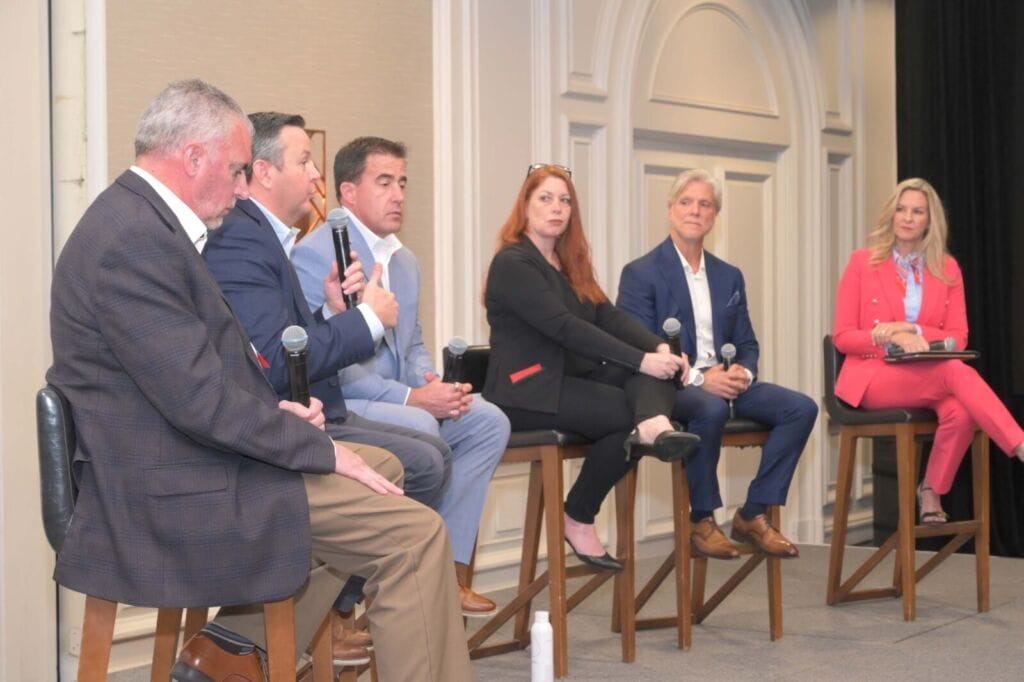
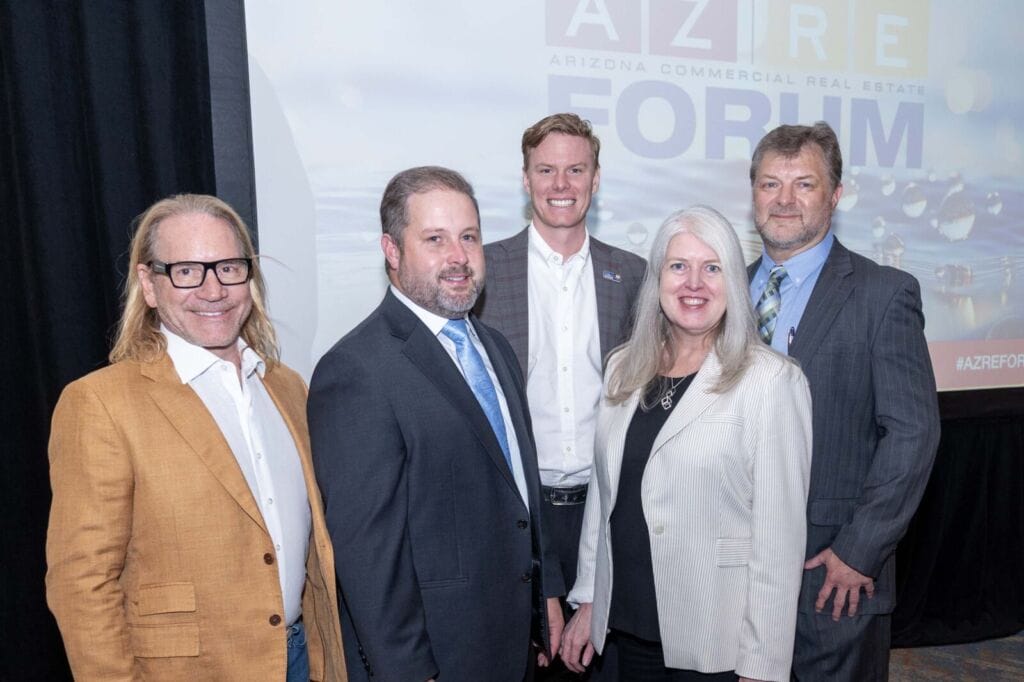
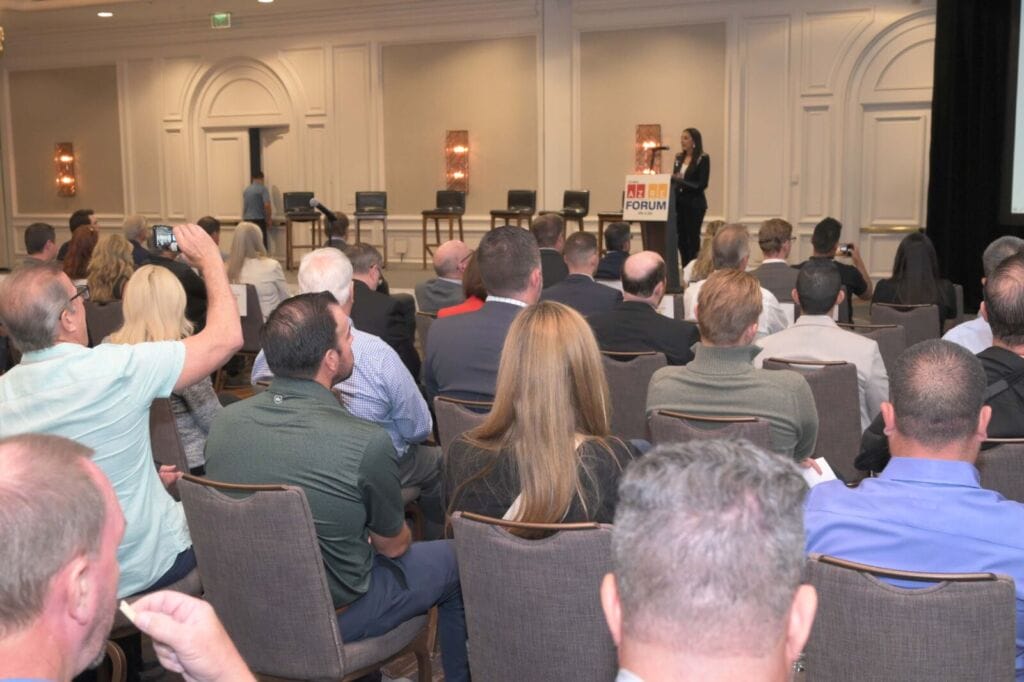







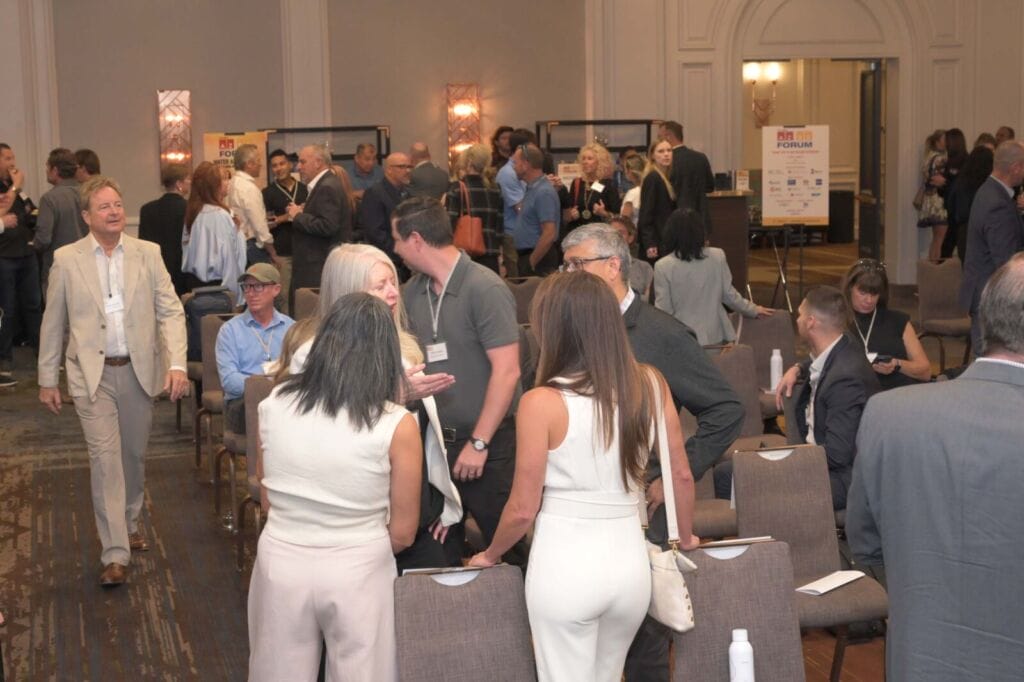

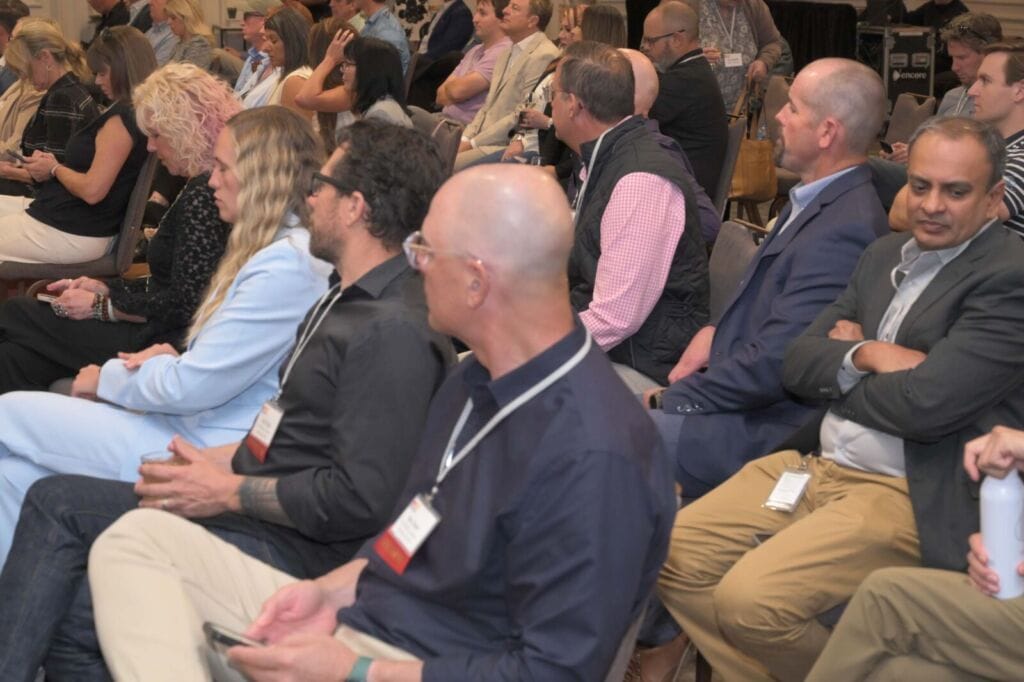

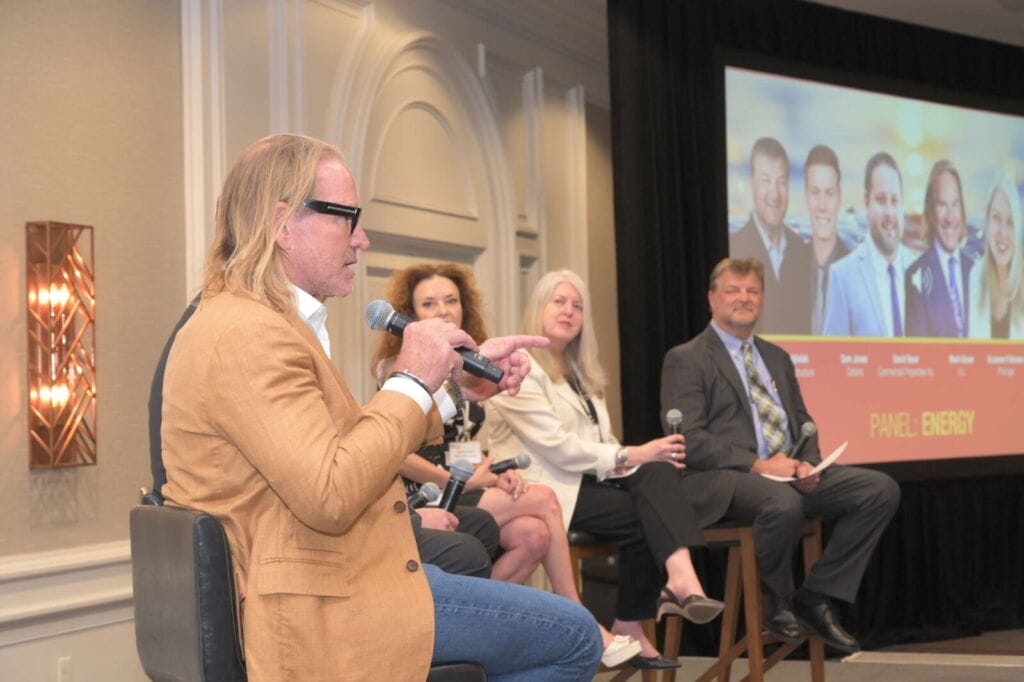

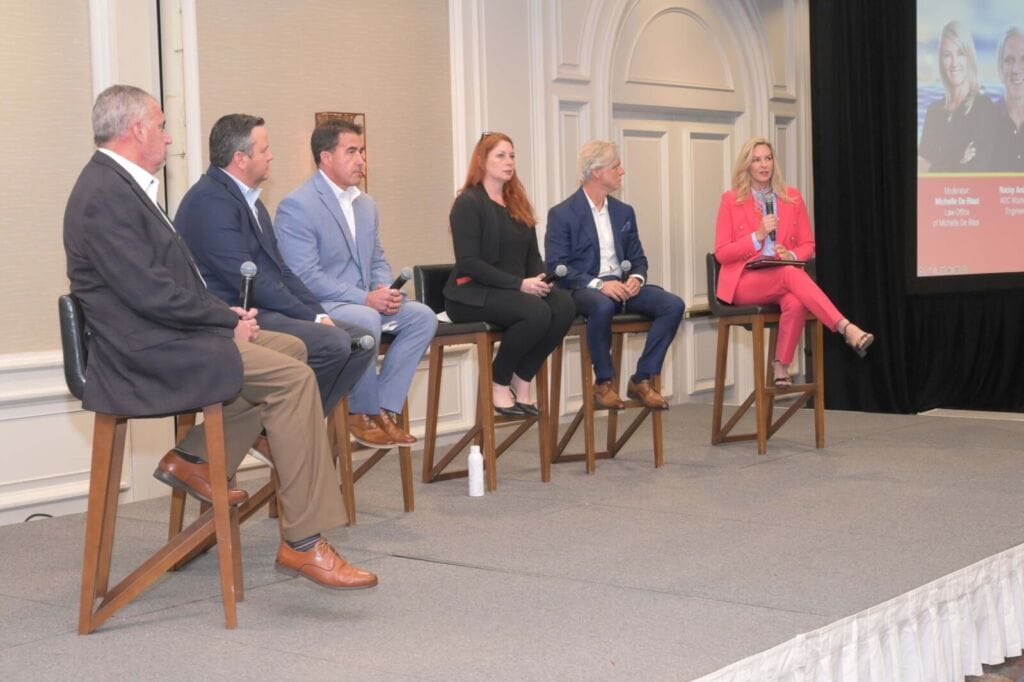

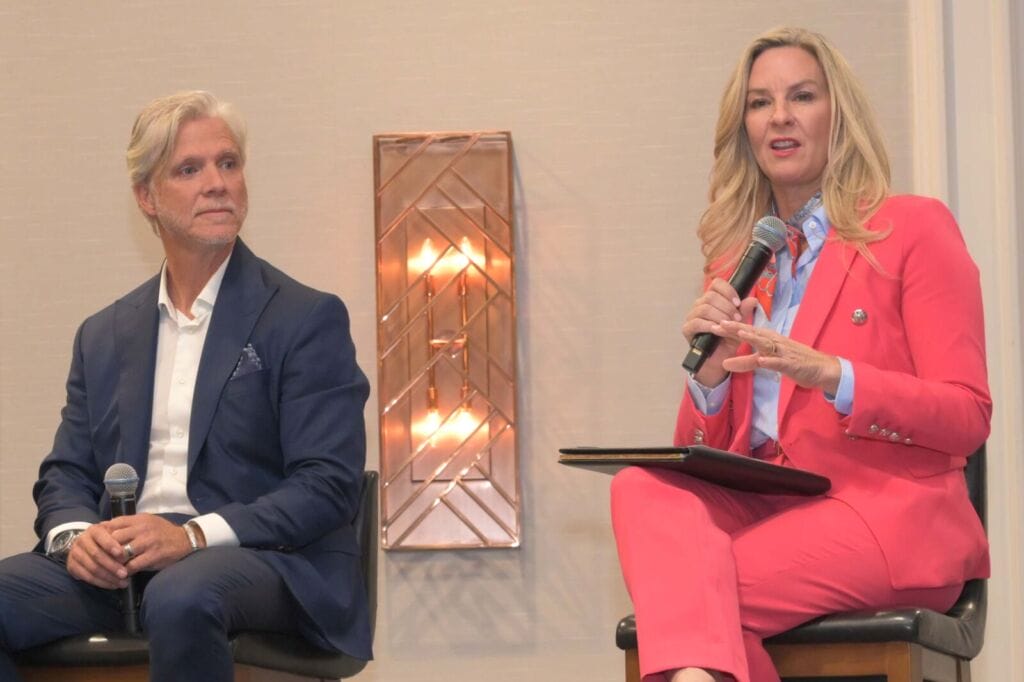
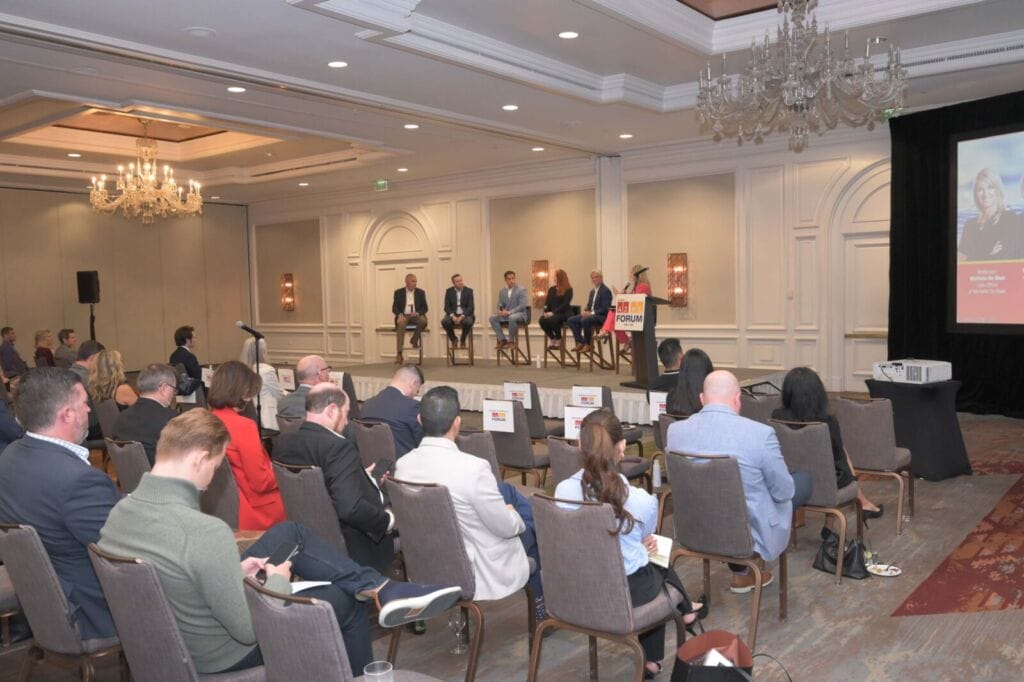
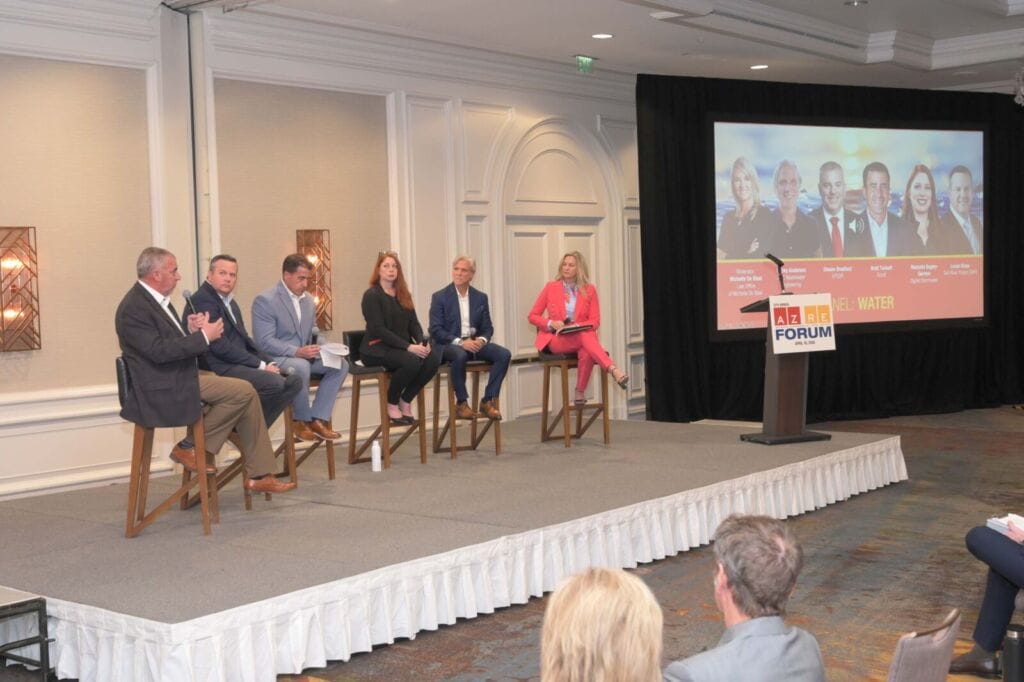

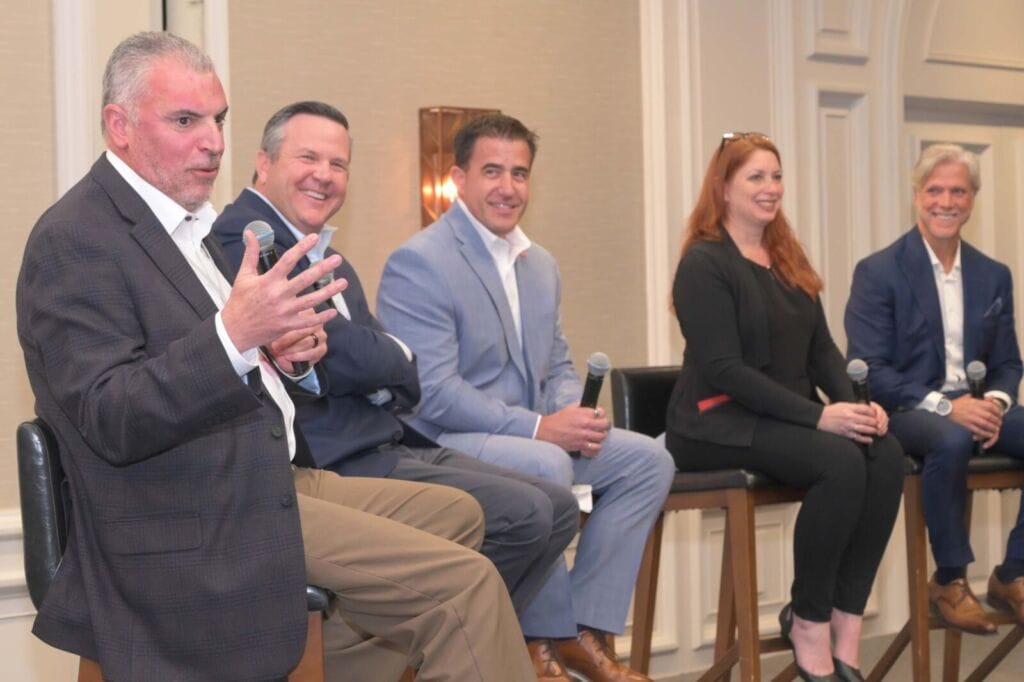
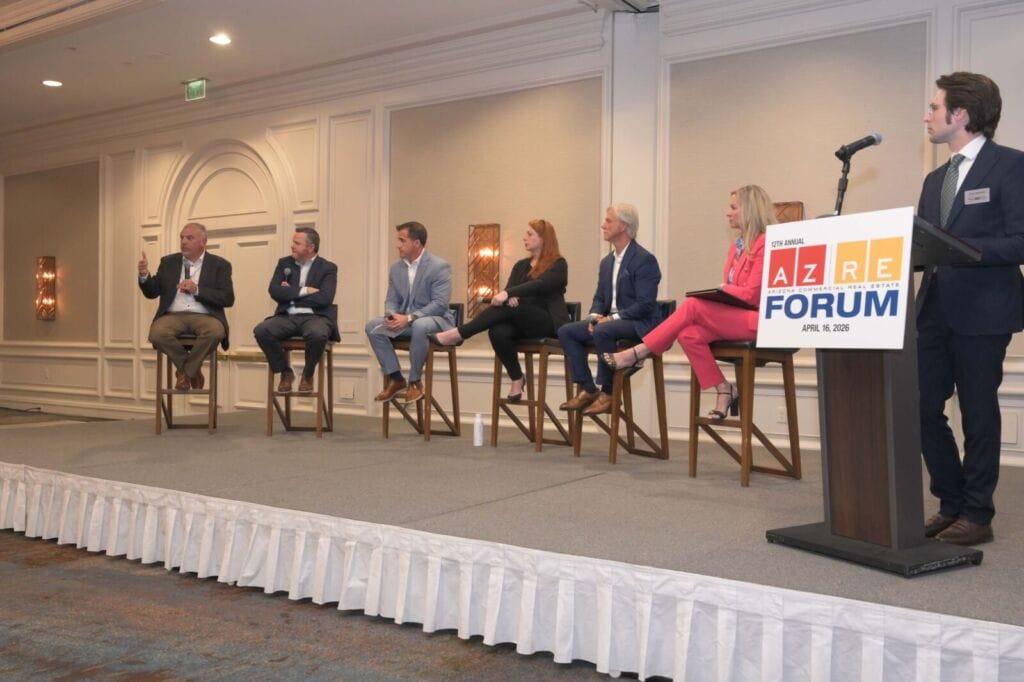
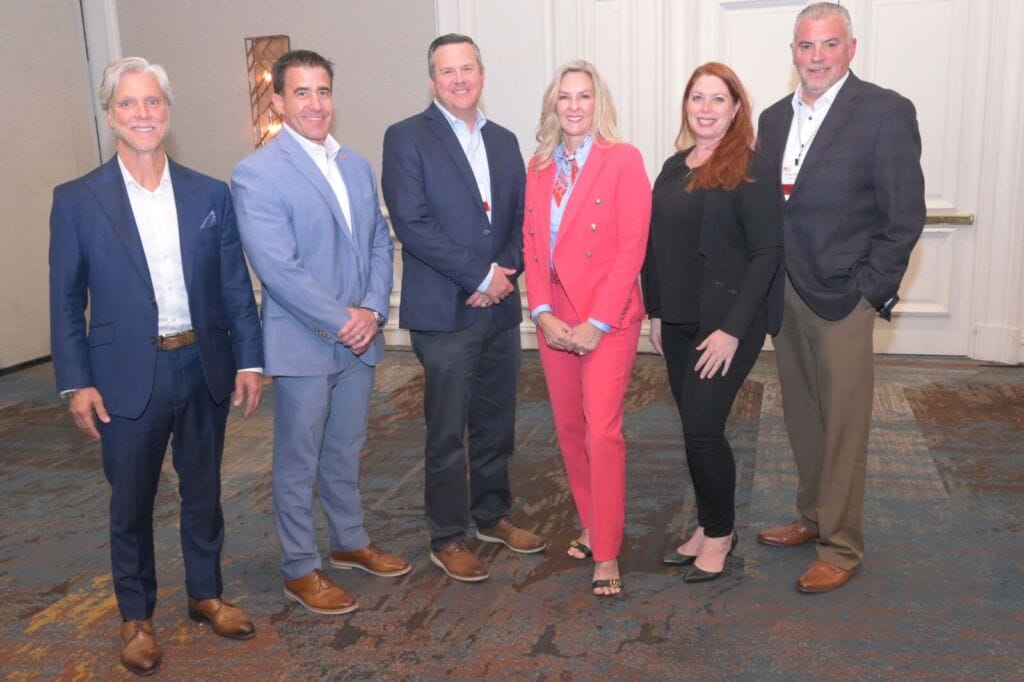
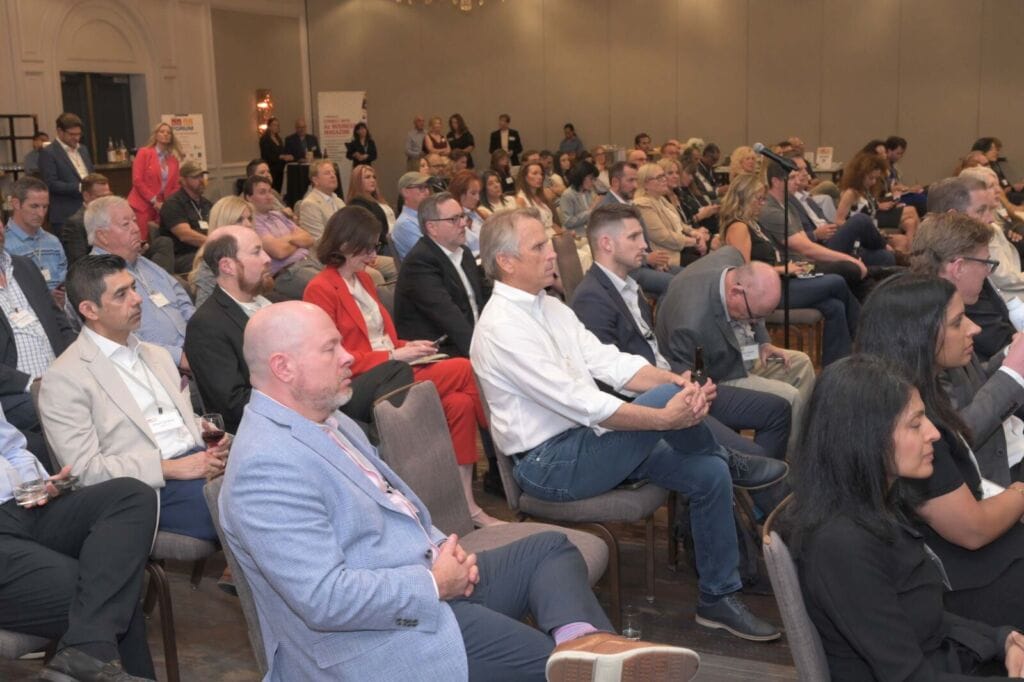

Download photos from the 2026 AZRE Forum here.
To keep projects moving, Verma-Lallian said developers are increasingly turning to alternative energy solutions, including solar, natural gas and battery storage, while exploring long-term options such as nuclear and small modular reactors.
Water presents an equally complex challenge. Once considered a secondary issue, it is now a critical factor that can determine whether a project moves forward at all.
“It’s not just physical — it’s political,” Verma-Lallian said, pointing to regulatory hurdles, community resistance and long approval timelines tied to water access.
In response, her firm has begun repurposing residential land that lacks assured water supply into industrial and data center sites — a strategy that reflects the industry’s growing need for flexibility.
Despite the challenges, Verma-Lallian emphasized that opportunity remains strong for those who can adapt.
Developers who understand infrastructure constraints, build relationships with utilities and identify creative solutions will gain a competitive edge, she said.
“We’re moving from a land-driven market to an infrastructure-driven market,” Verma-Lallian said.
And in Arizona’s next phase of growth, that shift will determine not just where development happens — but who succeeds.
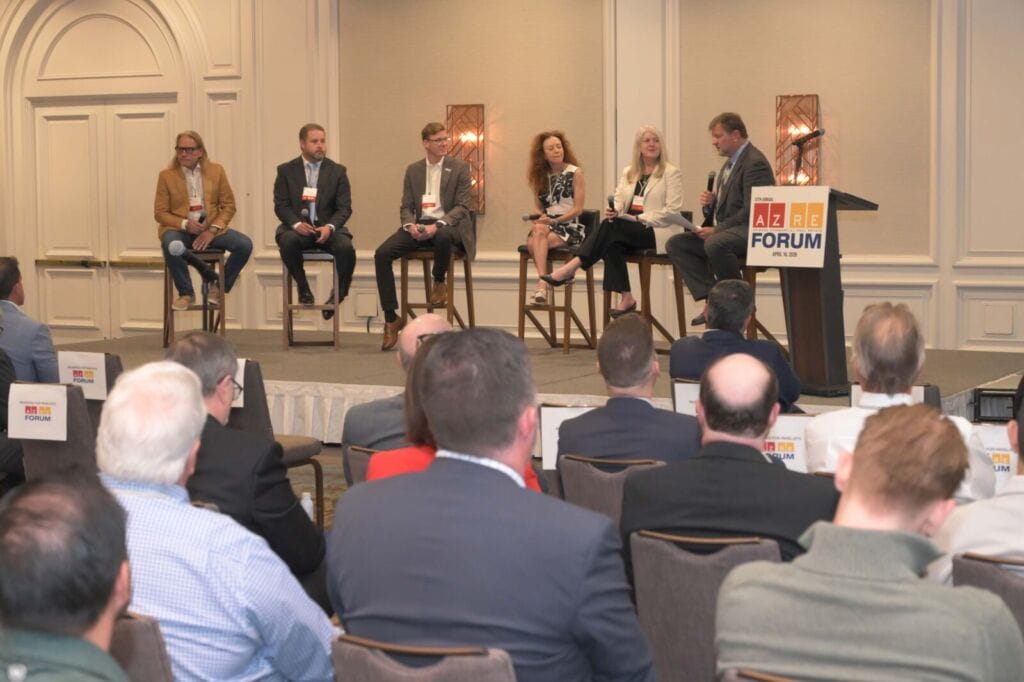
5 takeaways from the energy panel at the AZRE Forum
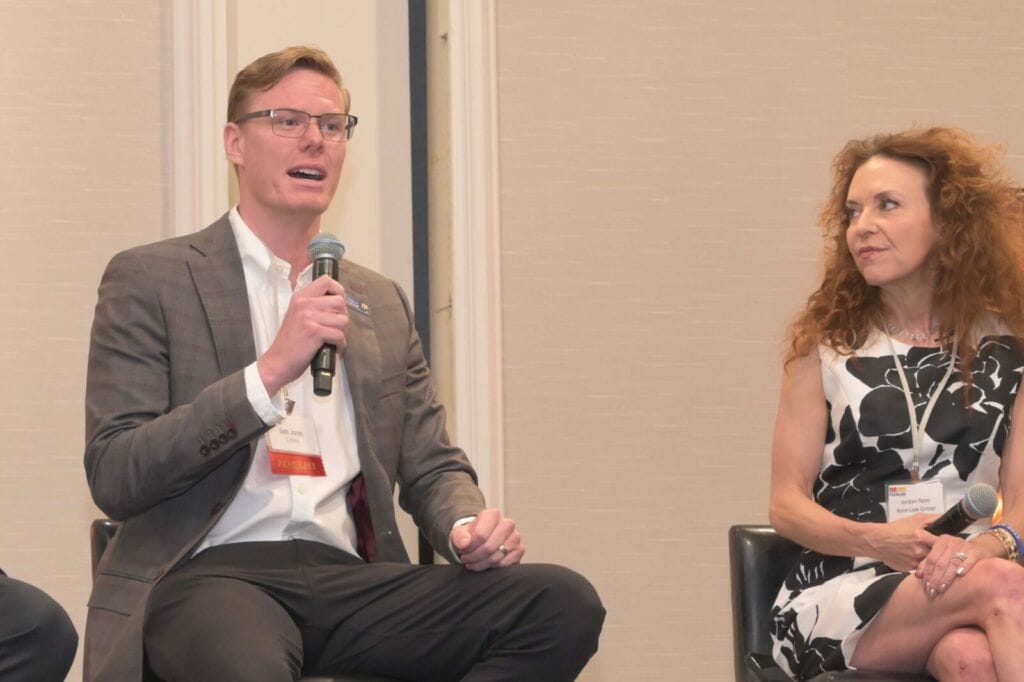
The energy panel at the 2026 AZRE Forum featured Bill Jabjiniak, (moderator), senior vice president, national community and government relations, EdgeCore; Jordan Rose, co-founder, Rose Law Group; David Bean, vice president of sales and leasing, Commercial Properties, Inc.; Mark Bauer, vice chairman, JLL; Sam Jones, vice president, Phoenix region, Colliers; and Suzanne Fallender, vice president of global impact and sustainability, Prologis. Here are five takeaways from their discussion:
1. Power — not land — is now the gatekeeper for growth
Across Arizona, the first question in any deal is no longer location — it’s “Do you have power?” Panelists made it clear that access to reliable power now determines where projects land, especially as massive users like TSMC and data centers drive unprecedented demand.
2. Demand is coming from everywhere — not just mega projects
While headlines focus on semiconductor fabs and hyperscale data centers, panelists stressed that smaller industrial users are also driving major power demand. Automation, manufacturing and logistics operations are requiring significantly more energy, putting pressure on an already strained system.
3. Infrastructure bottlenecks go far beyond generation
Even when power can be generated, transmission, permitting and equipment delays are slowing projects. From backordered turbines to lengthy approvals for new transmission lines, the system is facing friction at every stage — making timelines unpredictable and development riskier.
4. Developers must now act as energy partners — not just builders
The days of relying solely on utilities are over. Developers are increasingly expected to bring solutions to the table, including on-site generation, hybrid energy models and early coordination with utilities. Those who can creatively solve power challenges will have a clear competitive edge.
5. Arizona’s competitive edge depends on solving power — fast
Every state is facing similar challenges, but panelists emphasized that Arizona’s ability to stay ahead in securing and delivering power will determine whether it continues to attract major employers and investment. The urgency is clear: without scalable solutions, growth could stall.
5 takeaways from the water panel at the AZRE Forum
The water panel featured Michelle De Blasi, (moderator) founder and senior counsel, Law Office of Michelle De Blasi and executive director, Arizona Energy Consortium; Brad Tackett, vice president and business development manager, Sundt Construction; Lucas Shaw, director of water rights and strategy, SRP; Rocky Anderson, founder and president, ADC Water; Shawn Bradford, senior vice president, regulated U.S. water, EPCOR; and Maryella Begley-Garmon of Digital Stormwater. Here are five takeaways from their discussion:
1. Arizona’s water story is far more positive than the narrative
Panelists pushed back on the idea of a looming crisis, emphasizing that Arizona is not running out of water. Decades of planning, infrastructure investment and conservation have created a resilient system that continues to support rapid population and economic growth.
2. Smart planning and infrastructure investment have been the foundation — and must continue
Arizona’s success has always been tied to building water infrastructure ahead of growth, from Roosevelt Dam to the CAP canal. The next phase will require continued investment today to support tomorrow’s development, reinforcing that water strategy is long-term by design.
3. Conservation and reuse are already reshaping the system
The state is using roughly the same amount of water as it did in the 1950s despite massive growth, thanks to conservation, agricultural transitions and reuse strategies. Increasingly, projects are designed with water efficiency, recycling and recharge as core components — not afterthoughts.
4. The next frontier is advanced water reuse — and public perception
Highly purified recycled water is poised to become a major supply source, with advanced water treatment systems delivering extremely high-quality water. The technology is ready, but the biggest hurdle is public acceptance, not science.
5. There is no single solution — success depends on a “multi-tool” strategy
Arizona’s water future will rely on a diverse, layered approach: reuse, conservation, infrastructure expansion, stormwater capture, groundwater management, and even importing or exchanging water supplies. As one panelist put it, there is no “silver bullet” — only “silver buckshot.”