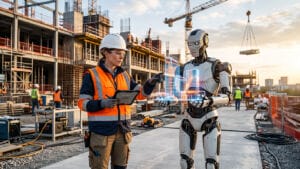
Large-scale construction projects are complex, expensive, and highly sensitive to planning decisions. From commercial towers to infrastructure developments, even small inefficiencies can lead to significant cost overruns. That is why cost optimization is not just a financial concern, but a core part of project success.
In construction, costs rarely rise because of one big mistake. They usually increase through small gaps in planning, delays in execution, poor coordination, or inefficient resource use. Over time, these small issues accumulate and impact the final budget in a serious way.
What makes cost optimization important is that it does not mean cutting corners or reducing quality. Instead, it is about using resources more intelligently, reducing waste, improving decision-making, and ensuring that every stage of the project is aligned with both time and budget goals.
When done properly, cost optimization improves not only financial outcomes but also project efficiency, timelines, and overall quality of execution.
Understanding Where Costs Really Come From
Before optimizing costs, it is important to understand where they actually originate in large construction projects. Many people assume material costs are the biggest factor, but in reality, expenses are spread across multiple layers.
Labor, materials, equipment, logistics, design changes, delays, permits, and coordination issues all contribute to the total cost. Often, indirect costs like downtime, rework, and inefficiencies end up becoming just as significant as direct expenses.
According to Tom Rockwell, CEO of Concrete Tools Direct, “One of the biggest challenges in construction budgeting is that many costs are not fixed. They evolve as the project progresses. This makes early planning and ongoing monitoring extremely important.”
Cost optimization starts with visibility. If project teams cannot clearly track where money is going, it becomes very difficult to control it effectively later.
Strong Planning Sets the Foundation for Cost Control
One of the most important factors in cost optimization is early-stage planning. Large-scale construction projects that invest time in detailed planning tend to perform better financially throughout execution.
Planning involves more than just timelines and blueprints. It includes understanding material requirements, labor needs, risk factors, site conditions, and regulatory requirements before construction begins, says Ashley Durmo, CEO of Chalet.
When planning is weak, projects often face changes later. These changes can be expensive because they disrupt schedules, require redesign, and lead to resource reallocation.
A well-structured plan reduces uncertainty. And in construction, reducing uncertainty directly reduces financial risk.
That is why successful projects often spend a significant amount of time in pre-construction planning before any physical work begins.
Efficient Procurement Practices Reduce Waste
Procurement is one of the most influential cost drivers in large-scale construction, especially when managing high-volume material sourcing across multiple phases. Without a structured approach, projects often face overspending, delays, or mismatched supply timelines that disrupt workflows and inflate budgets.
According to Michiel Meyer, CEO & Co-Founder at Workwize, “Effective procurement strategy planning is about aligning purchasing decisions with operational timelines and long-term cost efficiency, rather than chasing the lowest upfront price.”
Modern procurement frameworks, like those outlined in Workwize’s procurement planning approach, emphasize balancing cost, quality, supplier reliability, and delivery precision. Bulk purchasing and long-term supplier agreements can stabilize pricing, but only when supported by accurate demand forecasting and clear project timelines.
Equally important is avoiding overstocking. Excess inventory not only increases storage costs but also introduces the risk of material waste and capital lock-up. By implementing structured procurement plans and real-time tracking, construction teams can ensure materials arrive exactly when needed reducing waste, improving efficiency, and ultimately optimizing overall project costs.
Strategic Procurement of Fixtures and Finishes Cuts Hidden Costs
Material selection and procurement planning play a bigger role in construction budgets than many teams initially expect. Decorative fixtures—such as chandeliers, lighting systems, and premium finishes—can quickly inflate costs if sourced inefficiently or too late in the project cycle.
According to Jonathan Matha, CEO of Modern Chandelier, “In large-scale construction, lighting is often treated as a final aesthetic decision, but early sourcing and standardization can significantly reduce both procurement costs and installation delays.”
By integrating suppliers earlier in the planning phase and leveraging online platforms like Modern Chandelier, project managers can compare options, secure bulk pricing, and avoid last-minute premium markups. This approach also minimizes logistical inefficiencies, such as expedited shipping or design changes during installation.
“When procurement is aligned with project timelines, teams benefit from predictable costs and smoother execution. In large developments where multiple units require consistent finishes, even small savings per fixture can scale into substantial overall cost reductions,” adds Jake Miakota, CEO atSubdivisions
Value Engineering Improves Cost Efficiency
Value engineering is one of the most effective cost optimization strategies in construction. It focuses on analyzing project components to identify where cost savings can be achieved without reducing quality or functionality, says experts from AQUAMARISE.
This process often involves reviewing design elements, material choices, and construction methods to find more efficient alternatives. Sometimes small changes in design or materials can lead to significant savings without affecting the final outcome.
For example, substituting certain materials with equally durable but more cost-effective options can reduce overall expenses. Similarly, simplifying structural elements can reduce both material and labor costs.
The key idea behind value engineering is not to reduce quality but to improve efficiency. It ensures that every part of the project delivers maximum value for its cost.
Technology Improves Cost Visibility and Control
Technology has become one of the strongest tools for cost optimization in modern construction projects. Digital project management systems, construction software, and real-time tracking tools allow teams to monitor progress and expenses more accurately.
When project data is available in real time, it becomes easier to identify inefficiencies early. This helps prevent small issues from turning into major cost overruns.
Building Information Modeling (BIM) is one example of how technology improves cost control. It allows teams to visualize projects digitally before construction begins, reducing design errors and improving coordination between teams, says Sebastian Stute, CEO of Smartmakers.
Drones, sensors, and automation tools also help monitor construction sites more efficiently, reducing the need for manual inspections and improving accuracy.
Technology does not replace human decision-making, but it supports better decisions by providing clearer data.
Labor Management and Productivity Optimization
Labor is one of the largest cost components in construction projects, and inefficient labor use can significantly increase expenses. Managing labor effectively is therefore essential for cost optimization.
Proper workforce planning ensures that the right number of workers are assigned to the right tasks at the right time. Overstaffing leads to unnecessary costs, while understaffing can cause delays and inefficiencies.
Training also plays an important role in productivity. Skilled workers like Pompano Beach Dumpster Rental complete tasks faster and with fewer errors, reducing the need for rework.
Clear communication between teams helps avoid confusion and improves coordination on-site. When workers understand their roles clearly, productivity increases naturally.
In large-scale projects, even small improvements in labor efficiency can result in major cost savings over time.
Risk Management Reduces Unexpected Expenses
Construction projects are often exposed to risks such as weather delays, material shortages, regulatory changes, and design modifications. These risks can quickly increase costs if not managed properly.
Risk management involves identifying potential issues early and planning strategies to reduce their impact. This may include contingency budgeting, flexible scheduling, or alternative sourcing options, says Savas Bozkurt, Owner of Royal Restoration DMV.
When risks are anticipated in advance, projects are better prepared to handle disruptions without major financial impact.
One of the most effective approaches is maintaining contingency funds within the project budget. These funds act as a buffer for unexpected expenses and help prevent financial strain when issues arise.
Effective risk management does not eliminate uncertainty, but it reduces its financial impact significantly.
Better Project Coordination Reduces Delays
Coordination between different teams is essential in large construction projects. Architects, engineers, contractors, suppliers, and site managers all need to work in alignment for the project to stay on track.
According to Kyle R Smith, Director of Boost Promotional Products, “Poor coordination often leads to delays, miscommunication, and rework. Each of these issues adds unnecessary costs to the project.”
Regular meetings, clear documentation, and centralized communication systems help improve coordination. When everyone is aligned on timelines and responsibilities, work progresses more smoothly.
Delays are one of the most expensive problems in construction. Even a short delay can increase labor costs, equipment rental fees, and overhead expenses.
That is why strong coordination is directly linked to cost optimization.
Sustainable Construction Practices Reduce Long-Term Costs
Sustainability is often seen as an environmental goal, but it also plays an important role in cost optimization. Energy-efficient materials, waste reduction practices, and sustainable design choices can reduce long-term operational costs.
For example, using energy-efficient systems such as cavity insulation in buildings can reduce future utility costs. Similarly, minimizing construction waste reduces material expenses and disposal costs.
Bland Warren, CEO of Plastic Fusion, shares, “Sustainable planning also encourages better resource utilization during construction, which helps reduce unnecessary spending. While some sustainable materials may have higher initial costs, they often lead to savings over the life of the project.
That makes sustainability both an environmental and financial strategy.”
Continuous Monitoring and Cost Tracking
Cost optimization is not a one-time activity. It is an ongoing process that continues throughout the entire construction lifecycle. Continuous monitoring ensures that actual spending remains aligned with the planned budget, says Desmond Dorsey, Chief Marketing Officer at Bayside Home Improvement.
Regular cost tracking helps identify deviations early. When issues are detected quickly, corrective actions can be taken before they become larger problems.
Progress reports, financial dashboards, and periodic audits all help maintain cost control. The goal is to ensure transparency in spending at every stage of the project.
Projects that actively monitor costs tend to perform better financially because they respond quickly to changes rather than reacting too late.
Final Thoughts
Cost optimization in large-scale construction projects is not about reducing quality or cutting essential elements. It is about improving efficiency, reducing waste, and making smarter decisions at every stage of the project.
From planning and procurement to technology use and risk management, every part of the construction process plays a role in controlling costs. When these elements work together effectively, projects are more likely to stay within budget and meet expectations.
Construction projects will always involve uncertainty, but strong cost optimization strategies reduce that uncertainty’s financial impact. Over time, this leads to better outcomes, smoother execution, and more successful project delivery.
In a field where margins are tight and stakes are high, smart cost management is not optional. It is essential for long-term success.