Australia’s construction and resources sectors are under constant pressure to control costs while maintaining productivity. For many project managers, fleet operators, and procurement teams, sourcing reliable lifting equipment at a competitive price remains a significant challenge. As a result, more buyers are turning to auction platforms as a practical solution and are experiencing tangible benefits.
Many businesses now prioritise durable equipment with strong resale value rather than simply pursuing the lowest purchase price. Auction platforms appeal to informed buyers by offering access to trusted brands, transparent transactions, and a broad range of equipment suitable for different project requirements. As this approach becomes more widely accepted, auctions have become an important part of heavy equipment procurement across Australia.
The Shift Toward Smarter Equipment Procurement
The way companies acquire equipment has changed significantly over the past decade. While purchasing new machinery from authorised dealers remains an option, the high capital costs often place new equipment beyond the reach of many small and mid-sized contractors. For example, a new mobile crane can cost several hundred thousand dollars.
Auctions provide a practical alternative. They give buyers access to equipment released from large fleets, upgraded operations, or completed major projects. In many cases, these machines have been professionally maintained and are supported by documented service histories.
The growing popularity of crane auctions australia reflects a broader shift in procurement strategy. Rather than viewing the second-hand market as a higher-risk option, many buyers now treat auctions as a primary sourcing channel. Through careful research, equipment inspections, and informed bidding, businesses can secure quality assets while maintaining greater control over acquisition costs.
What Types of Cranes Appear at Auction
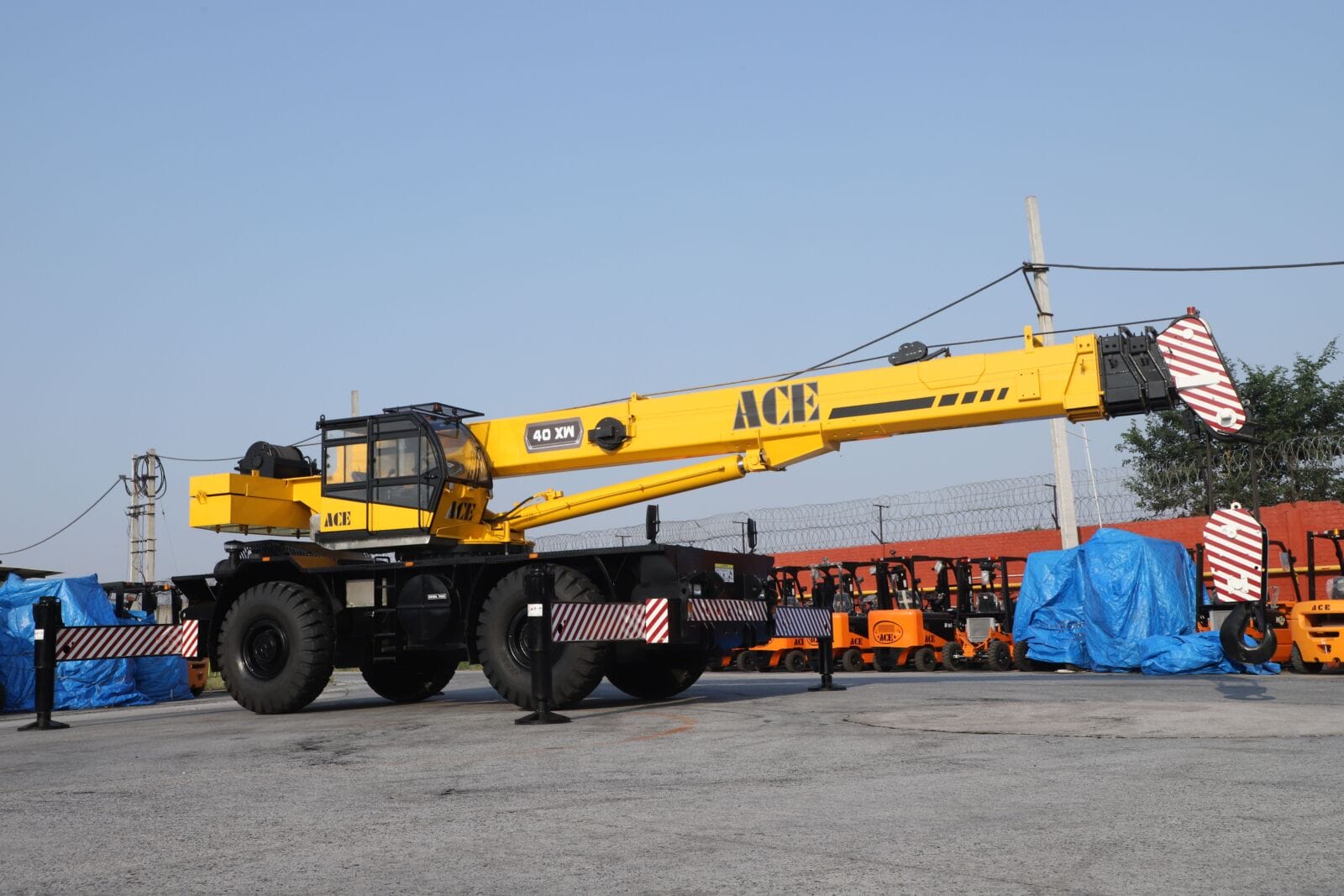
Australian auction catalogues frequently feature a diverse range of lifting equipment. Buyers can find mobile cranes, truck cranes, tower cranes, rough-terrain cranes, and all-terrain cranes across various capacities and specifications.
Well-known brands such as Tadano, Liebherr, Manitowoc, and Terex regularly appear at auction. These manufacturers have established reputations for reliability and typically benefit from strong parts availability and service support networks. For buyers seeking long-term operational value, access to replacement parts and qualified maintenance support can be an important consideration when evaluating equipment options.
Today, auctions are conducted both online and in person, providing greater accessibility for buyers across the country. Remote participants can review detailed equipment descriptions, photographs, and service records without travelling to inspection sites. This accessibility has helped increase participation from contractors and businesses operating in regional and remote areas.
DEEPER DIVE: Abandoned North Phoenix project gets new life as $190 million sports complex
INDUSTRY INSIGHTS: Want more news like this? Get our free newsletter here
How to Evaluate Equipment Before Bidding
Successful buyers prepare thoroughly before participating in an auction. Effective due diligence helps minimise risk and improves the likelihood of making a sound investment.
Review the Machine History
Always request available service and maintenance records. A comprehensive maintenance history often indicates that the equipment has been properly cared for throughout its operating life. Where records are incomplete or unavailable, buyers should investigate further, as missing documentation may create uncertainty regarding maintenance practices, repairs, or compliance history.
Arrange an Independent Inspection
Where possible, engage a qualified crane technician or independent inspector to assess the equipment. An experienced professional can identify wear in critical components, evaluate hydraulic systems, and review load-testing documentation. Independent inspections are particularly valuable when considering older machines or equipment with higher operating hours.
Understand the Auction Terms
Every auction house operates under its own terms and conditions. Buyers should determine whether a sale includes a reserve price and carefully review all applicable buyer’s premiums, taxes, transport expenses, and administrative fees. Calculating the total acquisition cost before bidding helps prevent unexpected expenses and supports more informed purchasing decisions.
Cranes and lifting equipment are subject to strict registration, inspection, and compliance requirements across Australia’s states and territories. Buyers should confirm that any equipment they acquire satisfies current regulatory requirements before placing it into service.
The Role of Reputable Auction Platforms
Not all auction providers offer the same level of service or transparency. Reputation plays a significant role when purchasing high-value equipment. Established auction houses typically provide industry expertise, detailed equipment information, transparent sale processes, and accountability throughout the transaction.
For example, Slattery Auctions is widely recognised within Australia’s heavy equipment and machinery sector. Its crane auctions regularly attract buyers from construction, mining, infrastructure, and industrial industries nationwide. The platform provides detailed equipment descriptions, high-quality imagery, and professional support throughout the bidding process.
Many experienced buyers are particularly interested in unreserved auctions. Without a reserve price, market demand determines the final sale value. Under the right conditions, competitive bidding and motivated sellers can create opportunities to acquire equipment at highly favourable prices compared with purchasing new machinery.
Timing and Market Conditions
Experienced buyers pay close attention to market timing. The quantity and quality of equipment entering the auction market can fluctuate throughout the year. Auctions held near the end of the financial year or following the completion of major infrastructure projects often feature well-maintained machinery entering the secondary market.
According to Infrastructure Australia, substantial investment continues across transport, energy, and utility projects nationwide. As large projects reach completion, fleet disposals frequently introduce quality equipment into the market. Buyers who monitor auction schedules and remain informed about industry activity are often better positioned to identify attractive purchasing opportunities.
The Australian Crane and Lifting Association also provides valuable guidance on industry standards, operator qualifications, and equipment compliance requirements. Staying informed through reputable industry organisations helps buyers make safer, more compliant, and better-informed purchasing decisions.
Building a Long-Term Acquisition Strategy
Participating in auctions occasionally can deliver positive results, but many successful buyers integrate auctions into a broader procurement strategy. They maintain accounts across multiple auction platforms, monitor upcoming events, and develop relationships with auction professionals.
Consistent market participation helps buyers build a deeper understanding of equipment values, seller credibility, and purchasing trends. Over time, this knowledge supports more informed acquisition decisions, improved fleet planning, and more efficient allocation of capital. Businesses that approach auctions strategically can strengthen their equipment procurement process while maintaining long-term operational flexibility and cost efficiency.