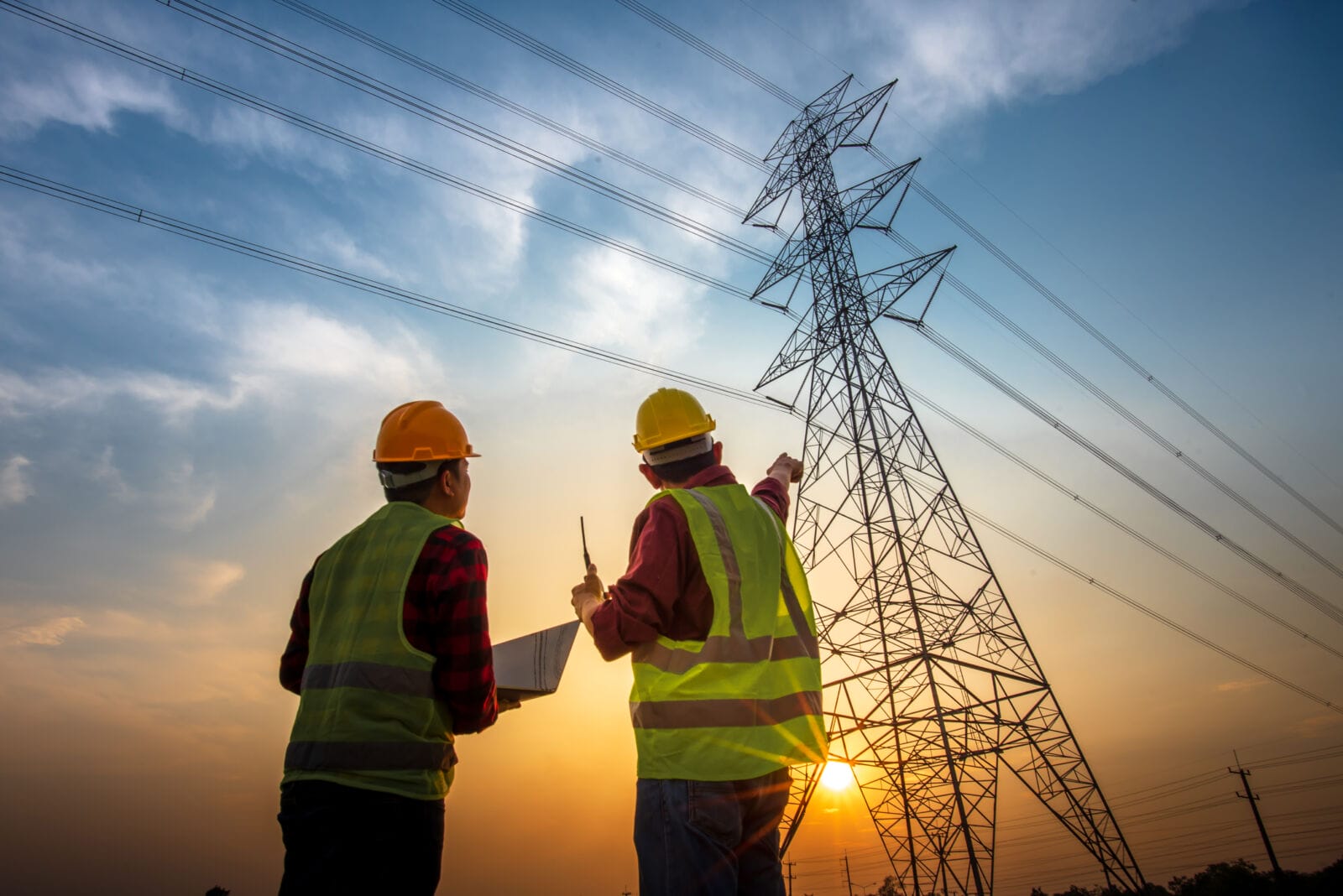
Commercial projects depend on many systems working together, but few are as important as a reliable power supply. From warehouses and manufacturing sites to data centers and large mixed-use developments, electrical infrastructure affects when a building can open, how safely it can operate, and how well it can support future demand. Suppliers such as High to Low Voltage help project teams source transformers, switchgear, and related equipment when schedules leave little room for delays.
Power Equipment Shapes the Project Timeline
Electrical infrastructure often sits behind the walls and outside the public view, yet it can influence the entire construction schedule. A building may be close to completion, but it cannot begin normal operations without the equipment needed to receive, control, and distribute power.
Transformers, switchgear, and medium-voltage cable often require careful planning. Project teams need to understand the expected electrical load, available utility service, site conditions, and future expansion plans before selecting equipment. A mismatch at this stage can create delays, redesign work, or added costs later.
Long equipment lead times can also affect the sequence of construction. When a critical transformer arrives late, testing, commissioning, and final occupancy may all move with it. Early coordination gives contractors and owners more options when they face supply challenges.
Transformers Support Stable Operations
Transformers adjust electrical voltage so power can move safely from the utility source to the systems inside a facility. Their role may sound simple, but choosing the right unit requires careful attention to capacity, configuration, location, and operating conditions.
A transformer that is too small may struggle to support demand. A unit that is larger than the project needs may add cost without creating useful value. Project teams also need to consider whether the equipment will sit indoors or outdoors, how it will be cooled, and how easily crews can access it for service.
The right transformer supports stable operation from the first day a facility opens. It also gives owners confidence that their electrical system can handle daily use without placing unnecessary stress on the equipment.
WOMEN IN BUSINESS: The Most Influential Women in Arizona for 2026
WOMEN IN REAL ESTATE: The Most Influential Women in Commercial Real Estate for 2026
Switchgear Protects People and Equipment
Switchgear controls, isolates, and protects electrical systems. It allows operators to manage the flow of power and disconnect parts of the system when maintenance or repairs are needed.
In a large commercial or industrial facility, this protection plays a major role in safety and reliability. A well-designed system helps reduce the risk that one electrical issue will affect the entire site. It also gives maintenance teams a clearer way to inspect and service equipment.
Switchgear selection should match the broader electrical design. Voltage class, interrupting capacity, physical layout, and future expansion needs all matter. When teams treat switchgear as an early planning priority, they can create a safer and more flexible system.
Reliable Power Supports Modern Business Needs
Many modern facilities use more power than older buildings. Data centers depend on constant electricity to support servers and cooling systems. Manufacturing plants rely on motors, controls, and production equipment. Distribution centers use lighting, automation, charging stations, and climate systems across large spaces.
These needs make electrical resilience a business issue as well as a technical one. A power interruption can stop operations, delay shipments, damage equipment, or disrupt customer service. Even a short outage may create major losses in a facility that depends on continuous production.
Reliable infrastructure helps reduce those risks. It also supports backup power systems, future equipment upgrades, and changes in how a property is used.
Quick Access to Equipment Can Reduce Downtime
Unexpected equipment failure creates a different kind of challenge. When a transformer or switchgear component fails, a facility may need a replacement faster than a standard manufacturing schedule allows.
Access to available inventory can help owners respond more quickly. New, refurbished, or rental equipment may provide a practical solution while a permanent replacement is sourced. The best option depends on the electrical requirements, site conditions, and expected length of use.
This flexibility matters for active facilities where downtime affects revenue and operations. It can also help construction teams recover when original equipment is damaged, delayed, or no longer suited to the project.
Early Planning Creates Better Choices
Power infrastructure works best when project teams address it early. Developers, engineers, electrical contractors, utilities, and equipment suppliers should share information before construction reaches a critical stage.
Early planning allows the team to confirm load requirements, review utility details, compare equipment options, and identify possible supply issues. It also creates time to evaluate alternatives without making rushed decisions under schedule pressure.
This coordination can improve budgeting as well. Teams can account for freight, site preparation, testing, installation, and service needs before they become unexpected costs.
Maintenance Protects Long-Term Value
Reliable power depends on more than the initial installation. Electrical equipment needs regular inspection and service throughout its operating life.
Maintenance teams should watch for signs of heat, moisture, wear, contamination, and loose connections. Testing can help identify problems before they lead to failure. Clear records also make it easier to track equipment condition and plan future work.
A thoughtful maintenance program supports safety and extends the useful life of major assets. It also helps owners prepare for replacement before an urgent failure forces a quick decision.
Strong Infrastructure Supports Growth
Commercial buildings often change after they open. A warehouse may add automation. A manufacturer may install a new production line. A data center may expand its server capacity. A property owner may bring in a tenant with higher electrical needs.
Power systems should leave room for these changes when possible. Planning for growth does not always mean installing the largest equipment available. It means understanding likely future demand and designing a system that can adapt without a complete rebuild.
Reliable power infrastructure gives businesses more freedom to grow. It helps facilities open on time, operate safely, and respond to new demands with fewer disruptions. For developers and owners, that reliability can become a lasting advantage across the full life of the property.