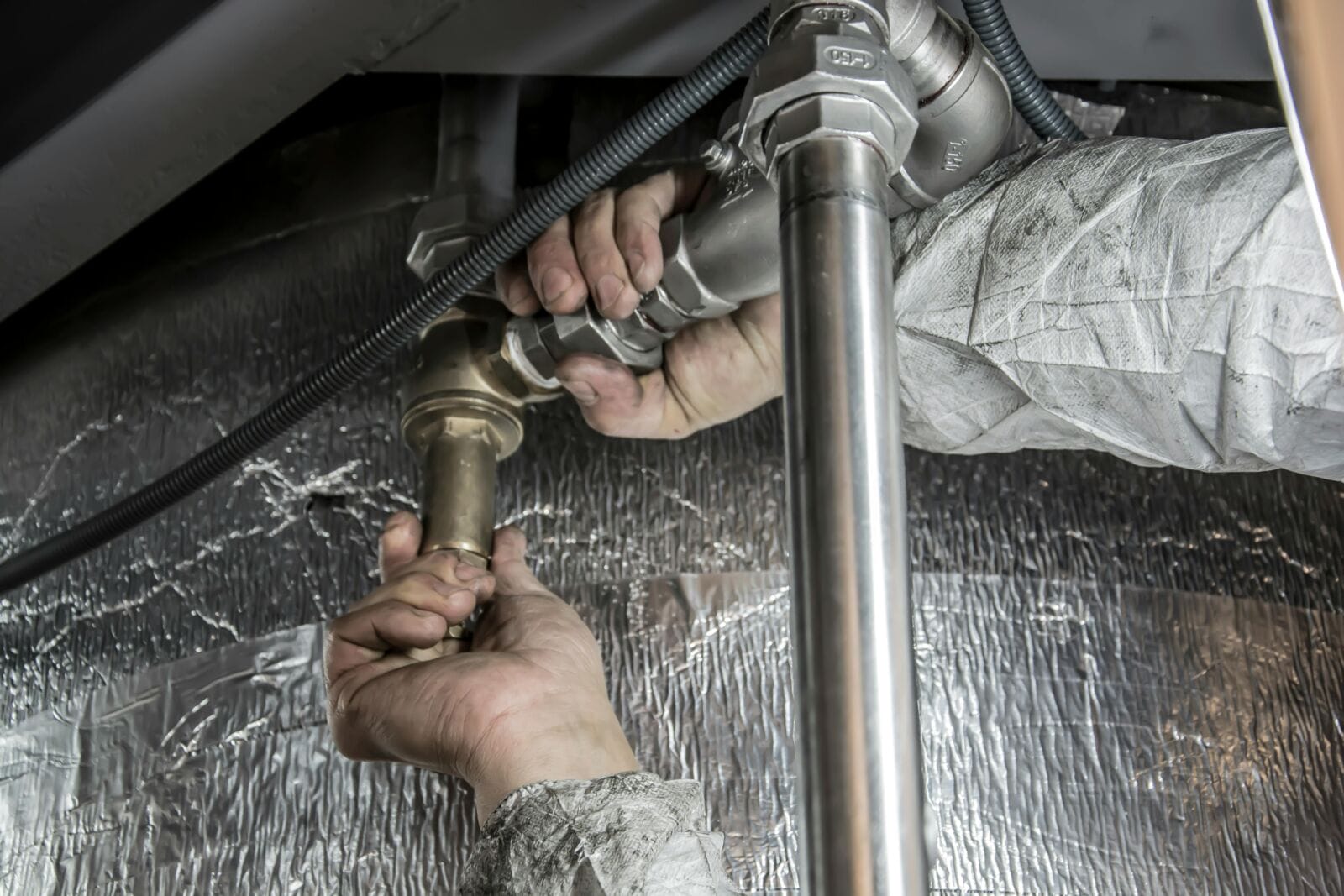
When something goes wrong with the plumbing, the temptation to save money is understandable. A neighbour knows a guy, a handyman offers a cheap quote, or a quick online tutorial makes the job look simple enough. But plumbing sits at the intersection of your home’s structural integrity, your family’s health, and one of the largest investments most people ever make. Cutting corners here rarely ends well. Hiring a properly licensed plumber is not just about getting the job done; it is about protecting your property, your safety, and your long-term financial interests.
The True Cost of Cutting Corners
Unlicensed or unqualified work often looks like a bargain until the bill for fixing it arrives. Plumbing is deceptively complex, involving pressure, drainage, gas, and water systems that must meet strict standards for good reason. A poorly soldered joint, an incorrectly installed fixture, or a botched drainage connection can lead to leaks, water damage, mould, and contamination, problems that are far more expensive to remedy than the original job would have cost to do properly. Getting it right the first time is almost always cheaper than paying twice.
The damage is not always immediate, either. Substandard work can sit quietly behind walls or under floors for months before it surfaces as a stain on the ceiling, a spike in the water bill, or a structural issue. By then, the person who did the cheap work is often long gone, and the homeowner is left footing a much larger bill. What looked like a saving becomes a costly liability. Water damage is also notorious for causing knock-on problems, from ruined flooring and cabinetry to electrical faults, so a single failure can quickly cascade into several separate repairs.
Protecting Your Property’s Value
For homeowners, plumbing is not just a functional concern; it is directly tied to property value. Well-maintained, professionally installed plumbing is a quiet asset, while a history of leaks, water damage, or non-compliant work is a red flag that can surface during a building inspection and derail a sale. Engaging a licensed plumber in Rowville, or wherever your property happens to be, is a straightforward way to protect that value and avoid nasty surprises down the track.
Compliant work also keeps you on the right side of your insurer. Many policies require that work be carried out by licensed professionals, and a claim for water damage could be jeopardised if it emerges that unlicensed work was involved. In that sense, hiring a licensed plumber is not an expense so much as a safeguard for the far larger investment that is your home, and a small premium now can prevent a claim being refused when you can least afford it.
How to Choose the Right Plumber
Not all plumbers are equal, and a little due diligence goes a long way. Before you hire, it is worth taking a few simple steps:
- Verify their licence or registration through the relevant state authority’s register.
- Ask for proof of insurance, so you are covered if something goes wrong.
- Look for genuine reviews and, where possible, references from past clients.
- Get a clear, written quote that itemises the work rather than a vague verbal estimate.
- Confirm they will provide compliance certificates for any notifiable work.
These checks take only a few minutes but dramatically reduce the risk of hiring the wrong person. A reputable professional will be happy to provide all of the above without hesitation, and any reluctance to do so is a clear signal to look elsewhere. Trusting your home to someone who is transparent about their credentials is always the safer choice.
What “Licensed” Actually Means
There is a meaningful difference between someone who can hold a wrench and a licensed professional. Licensing exists to guarantee that a tradesperson has the training, competence, and legal accountability to carry out work safely and to code. In Victoria, for example, the Victorian Building Authority maintains a public register that lets homeowners check whether a plumber is registered or licensed, and even whether any disciplinary action has been taken against them, before they hire.
That accountability matters. To lawfully carry out plumbing work, a professional must be appropriately licensed or registered for the class of work involved, which means they are trained to current standards and answerable to a regulator if something goes wrong. A licensed plumber also provides compliance documentation for notifiable work, giving you proof that the job meets legal requirements, something that becomes invaluable if you ever sell or insure your home.
An Investment in Peace of Mind
At the end of the day, hiring a licensed plumber comes down to a simple trade-off: a slightly higher upfront cost in exchange for safety, quality, compliance, and genuine peace of mind. Given what is at stake, your home, your health, and your finances, that is a trade-off well worth making.
The cheapest quote is rarely the best value once you account for the risk of things going wrong. A qualified, licensed professional does the job correctly the first time, stands behind their work, and leaves you with the documentation to prove it was done right. For anyone who views their home as the significant investment it is, that assurance is worth far more than the small saving a shortcut might offer. Protect your property properly, and it will protect you in return.