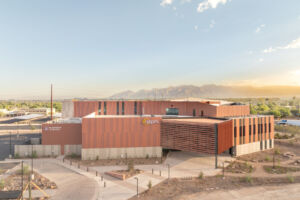
Owning a property—whether residential, commercial, or mixed-use—is a long-term investment that demands ongoing care. Buildings age, materials weaken, and systems wear down over time. Without proper maintenance, small issues can quietly develop into costly structural failures, safety hazards, or large-scale repairs. The good news is that consistent maintenance dramatically extends your building’s lifespan, protects its market value, and ensures the comfort and safety of its occupants.
This guide covers seven essential maintenance and repair areas every property owner should know. From electrical systems to preventive inspections, these insights will help you stay ahead of problems, save money, and keep your property running smoothly year after year.
Structural Integrity and How to Spot Early Warning Signs
Structural problems rarely appear overnight. In most cases, they begin with subtle signs that are easy to overlook, such as hairline cracks, a door that sticks occasionally, or a small damp patch that seems harmless. Over time, these minor issues can develop into serious structural damage. This is why routine structural inspections are essential for every property owner. A building’s structural integrity directly affects safety, longevity, and property value, which makes early detection one of the most important aspects of long-term maintenance. As Suhail Patel, Director at Dustro, notes, “Small structural symptoms rarely stay small. They almost always grow if you ignore them.”
Some of the most common warning signs are visible if you know where to check. Cracks along walls, ceilings, or foundations often point to shifting or settling. Doors and windows that suddenly stick or stop closing smoothly can indicate frame movement or foundation imbalance. Sagging or uneven floors, water stains, damp spots, or gaps forming between walls, floors, and roofing beams all signal deeper issues. Even small cracks can reveal major concerns such as soil settlement, termite activity, or weakened load-bearing beams.
Common Red Flags to Watch For
- Cracks in walls, ceilings, or foundations
- Doors or windows that suddenly stick
- Sagging or uneven floors
- Water stains or damp patches
- Separation between structural elements
Structural maintenance matters because every building naturally expands, contracts, and settles—especially in areas with climate variations, heavy rainfall, or high humidity. Without reinforcement, these small movements weaken the structure over time. Identifying issues early helps prevent costly reconstruction, reduce safety hazards, and avoid legal liabilities arising from unchecked structural deterioration.
Best Practices for Structural Longevity
- Schedule professional inspections every 1–2 years
- Waterproof and seal cracks promptly
- Maintain proper drainage around the foundation
- Reinforce load-bearing elements during renovations
- Use high-quality materials for all repairs
Proactive structural care ensures your property remains stable, safe, and valuable for years to come.
LOCAL NEWS: 10 Arizona housing events that offer festive charm
INDUSTRY INSIGHTS: Want more news like this? Get our free newsletter here
Electrical Safety & System Compliance: Protecting Your Property From Failure and Fire Risks
Electrical systems are among the most heavily used components in any building, supporting everything from kitchen appliances and lighting to HVAC systems and modern electronics. As technology evolves and occupants depend on more devices, electrical panels and wiring face increasing demand. Unfortunately, outdated or overloaded systems remain a leading cause of residential and commercial fires. As Greg Batista, President of G Batista Engineering & Construction, explains, “Electrical problems rarely start big. Almost every major failure begins with a small warning sign that gets ignored.”
Key Areas to Inspect
Routine inspections should include evaluating the electrical panel’s capacity and ensuring proper labeling, as well as checking the condition of circuit breakers. GFCI and AFCI protection in required locations is essential for reducing shock and fire risks. Look for exposed wiring, confirm proper grounding and bonding, and test smoke and carbon monoxide detectors to ensure the system can safely support modern electrical loads.
Warning Signs That Demand Immediate Attention
Burning smells near outlets, flickering or dimming lights, frequent breaker trips, buzzing or sizzling sounds behind walls, or warm and discolored outlets are all signs of electrical trouble. These issues may indicate overheating, short circuits, or damaged wiring and should be addressed immediately.
Modern Safety Upgrades to Consider
Smart breakers, whole-house surge protection, and upgraded electrical panels help accommodate increased usage and reduce hazards. Switching to LED lighting, adding smart monitoring systems, and replacing old aluminum wiring with copper can greatly improve reliability and long-term safety.
Hiring a licensed electrician ensures every repair or upgrade meets current safety codes and protects your property from dangerous electrical failures.
Plumbing Maintenance: Preventing Leaks, Flooding, and Hidden Water Damage
Plumbing issues often begin quietly—a slow drain, a minor leak under the sink, or a toilet that runs longer than usual—but these small warning signs can quickly escalate into major water damage if they are ignored. Water has a way of traveling beyond the source of the problem, spreading into walls, floors, and ceilings, where it can trigger mold growth, weaken structural components, and lead to costly repairs. The most common plumbing problems include clogged drains, leaky fixtures, running toilets, low water pressure, inefficient water heaters, and even sewer line backups. While some of these issues appear routine, they can indicate deeper complications within the system.
Preventive maintenance is the most effective way to avoid plumbing failures. Inspecting pipes every few months helps detect early signs of corrosion or leaks. In colder climates, insulating exposed pipes prevents freezing and bursts. Water heaters should be flushed annually to remove sediment that reduces efficiency. Using drain strainers, avoiding harsh chemical cleaners, and monitoring overall water pressure can also reduce unnecessary strain on your plumbing system.
Property owners should also watch for signs of hidden plumbing issues, such as sudden spikes in water bills, musty odors, stains on ceilings, peeling paint, or slow drainage affecting multiple fixtures. These signals often suggest leaks occurring behind walls or beneath flooring. When uncertainty arises, scheduling a professional video sewer inspection or a leak-detection scan can provide clarity and prevent minor issues from becoming expensive disasters.
Roofing & Exterior Protection: Keeping Your Property Safe From the Elements
Your roof is the first line of defense against rain, wind, sunlight, and everyday weather conditions. When it’s well maintained, it protects every part of your property—from the attic insulation to the interior walls and foundation. However, a neglected roof can quickly lead to water intrusion, interior deterioration, and weakened structural framing. Even small issues on the roof surface can escalate into major damage if they aren’t addressed promptly.
What to Check During Roof Inspections
Regular roof inspections help you stay ahead of developing problems. Make sure to look for missing or cracked shingles, damaged or loose flashing around chimneys and vents, pooling water on flat surfaces, and any sagging or soft spots that indicate weakened support. Clogged gutters, downspouts filled with debris, and the presence of mold, moss, or vegetation growth are also signs that the roof isn’t draining properly and may be at risk of leaking.
Why Roof Maintenance Is Critical
Small roof leaks often turn into big problems, leading to mold growth, damaged insulation, electrical hazards, and material rot inside your home. A well-maintained roof enhances your building’s energy efficiency, keeps indoor temperatures stable, and provides stronger protection during storms or high winds.
Exterior Care Beyond the Roof
Roof care should always be paired with general exterior maintenance. Fresh exterior painting, stucco or siding repairs, and sealing around windows and doors all help prevent moisture intrusion. Improving drainage systems, repairing sidewalks or driveways, and maintaining proper grading around the property also support the roof’s effectiveness by directing water away from the structure.
HVAC Performance: Ensuring Clean Air, Comfort, and System Efficiency
Heating, ventilation, and air conditioning systems play a central role in a building’s overall comfort, energy usage, and indoor air quality. These systems work continuously behind the scenes, regulating temperature, circulating air, and filtering out dust, allergens, and pollutants. However, HVAC units naturally lose efficiency over time when they are not maintained properly. Dirty filters, clogged coils, low refrigerant, or duct leaks can cause the system to work harder than necessary, increasing energy bills and accelerating wear on essential components. Without consistent upkeep, minor issues can turn into costly breakdowns, inconvenient outages, or even premature system replacement.
Essential HVAC Tasks
- Replace air filters regularly
- Clean evaporator and condenser coils annually
- Check refrigerant levels
- Inspect ductwork for leaks
- Clear debris around outdoor units
- Test thermostat readings
Benefits of Proactive HVAC Care
- Lower utility costs
- Better air quality
- Fewer breakdowns
- Extended system lifespan
- Consistent indoor comfort
Indoor Air Quality Tips
- Use HEPA-grade filters
- Install UV-C sanitizing lights
- Maintain proper humidity
- Clean vents and air ducts
Proactive HVAC maintenance ensures your system operates at peak performance, helps create a healthier indoor environment, and protects one of the most valuable systems within your property.
Moisture Control & Mold Prevention: Protecting Your Building From Silent Damage
Moisture is one of the most destructive yet easily overlooked threats to any building. When water infiltrates structural components, it gradually weakens materials, corrodes metal, damages insulation, and creates the perfect conditions for mold growth. Excess moisture can enter a property through various sources, including leaky roofs, poor ventilation, faulty plumbing, groundwater intrusion, flooding, or even everyday condensation. Because these issues often develop quietly behind walls, under flooring, or in dark corners, property owners may not notice the damage until it becomes costly to repair.
Effective moisture control begins with identifying and addressing the underlying causes before they escalate. Improving airflow in kitchens, bathrooms, and basements is essential, as proper ventilation helps reduce humidity levels. Using dehumidifiers in naturally damp areas can also limit moisture accumulation. Property owners should seal crawlspaces, ensure soil slopes away from the foundation, and repair any leaks immediately to prevent water from spreading. In areas prone to dampness, installing vapor barriers can offer an additional layer of protection.
Recognizing early signs of moisture trouble can significantly reduce the risk of long-term structural deterioration. Musty odors, visible mold patches, soft or discolored drywall, peeling paint, and rusted metal components often signal hidden moisture issues. Addressing these warnings promptly not only preserves the building’s integrity but also protects occupants from potential health hazards such as mold-related allergies and respiratory problems.
Preventive Maintenance Planning: Staying Ahead of Repairs and Reducing Long-Term Costs
Reactive repairs are always more expensive than preventive care. Property owners who plan save time, money, and long-term stress.
Benefits of Preventive Maintenance
- Extends system lifespan
- Reduces emergency repair costs
- Increases property value
- Improves safety
- Supports insurance requirements
Creating an Effective Maintenance Schedule
- Monthly: Check filters, detectors, gutters
- Quarterly: Inspect plumbing, HVAC components
- Bi-annual: Roof checks, deep cleaning
- Annual: Full building inspection, servicing contracts
Tools to Stay Organized
- Digital maintenance logs
- Automated reminders
- Professional service agreements
- Building-management software
Preventive maintenance is a smart investment—it protects your building, your finances, and your peace of mind.
Conclusion
Proper building maintenance isn’t just about fixing problems—it’s about anticipating them before they have a chance to grow into expensive or hazardous issues. By understanding and routinely monitoring the core areas covered in this guide—structural health, electrical safety, plumbing care, roofing, HVAC performance, moisture control, and preventive planning—you can significantly extend the lifespan of your property while reducing unexpected repair costs. Proactive care also supports a safer living or working environment by minimizing risks that often go unnoticed until they become urgent. When property owners stay consistent with inspections, upgrades, and small repairs, they avoid the stress of major breakdowns and maintain higher overall property value. With steady, well-timed upkeep, your building remains durable, efficient, and fully protected for the long term.