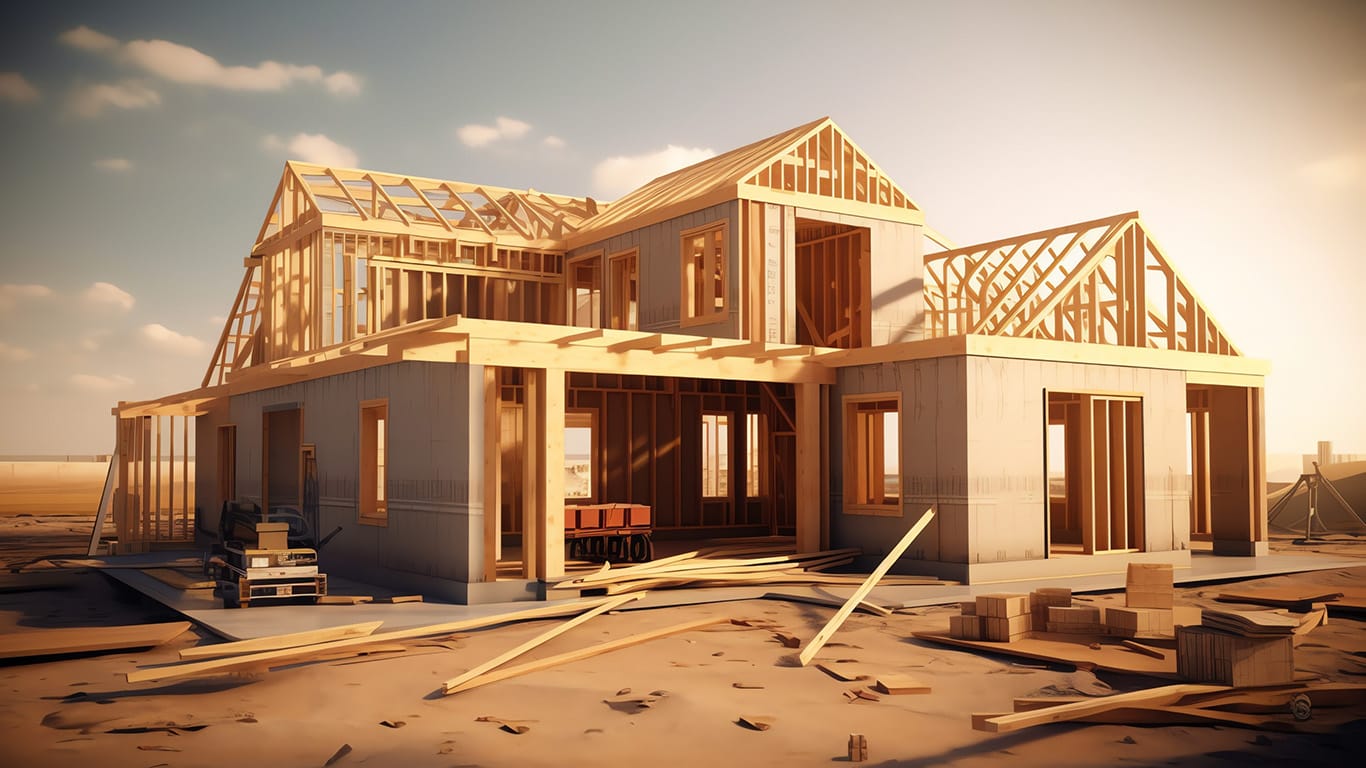
Around 628,000 new construction homes sell across the country every year, many to buyers seeking custom spaces. Getting pre-approved for a mortgage is the first step because it clarifies your true purchase price limits before you fall in love with a design. Once your finances are secured, you can select the lot and layout that match your actual daily lifestyle.
Buying a new construction home differs from purchasing a resale property because you are evaluating a blank canvas rather than an existing structure. Consider lot orientation, natural light, and neighborhood growth plans early in the process.
Customizing Options and Understanding Upgrades
Reviewing design options is where your vision starts coming together, but it requires careful budget management. Builders offer standard features alongside premium upgrades, making it essential to prioritize structural items like covered patios or extra rooms over easily replaceable fixtures.
- Cabinet upgrades and kitchen layout adjustments
- Premium flooring materials across main living spaces
- Electrical rough-ins for future ceiling fans or outdoor lighting
It’s reasonable to be overwhelmed by choice at this point, and thankfully homebuyers can use the resources from a reputable construction firm like DSLD Homes to better understand the path from choosing a home to moving in. Managing these selections early prevents delays once construction begins.
Key Framing and Mechanical Milestones
Once ground breaks, your home moves through distinct development phases. The foundation pour quickly leads into framing, giving you your first real look at the room dimensions.
During the pre-drywall phase, buyers should schedule an independent inspection to check the home’s framing, plumbing lines, and electrical wiring. Catching minor adjustments while the wall studs are still exposed is much easier than fixing them after the drywall is complete and painted.
Final Inspections and Walkthrough Procedures
As construction nears completion, your builder schedules a series of walkthroughs to review finished details. You will perform a pre-closing inspection to create a punch list of cosmetic touch-ups, like minor paint scuffs or cabinet adjustments.
Bringing a professional inspector to this stage ensures the home’s heating systems, insulation, and roof installation meet all regional building standards. Understanding how construction inspections work gives you the leverage needed to ensure every detail is addressed before taking ownership.
Preparing for Closing Day and Settlement
Closing day marks the formal transfer of ownership from the builder to you. You will sign the mortgage documentation, finalize insurance policies, and wire the necessary closing funds.
Navigating new construction loan terms requires verifying that all builder credits and escrow funds are correctly credited on your final settlement statement. Once the paperwork is fully executed and funds clear, you receive the keys to your brand-new home.
Managing Post-Closing Adjustments and Warranty Claims
Moving into a brand-new home is thrilling, but the first few months usually reveal small structural items that need attention. Standard home warranties typically cover cosmetic repairs for the first year, alongside long-term structural guarantees for systems like plumbing, electrical, and foundations.
Keeping an organized log of minor issues like door alignment adjustments or nail pops in the drywall makes your eleven-month warranty review seamless. Submitting a clear, itemized list helps the builder complete repairs in a single visit without disrupting your daily routine.
Essential Preparation Steps for New Buyers
Navigating a new build requires staying organized from the initial deposit through the final walkthrough. Clear communication with your project manager keeps your timeline on track.
Learning about build timelines and maintenance schedules helps you transition smoothly into homeownership. Exploring additional homebuying guides will keep you informed for every step of the journey ahead. Our site has plenty of other posts relevant to homeowners, covering everything from budgeting to maintenance, so stay put.