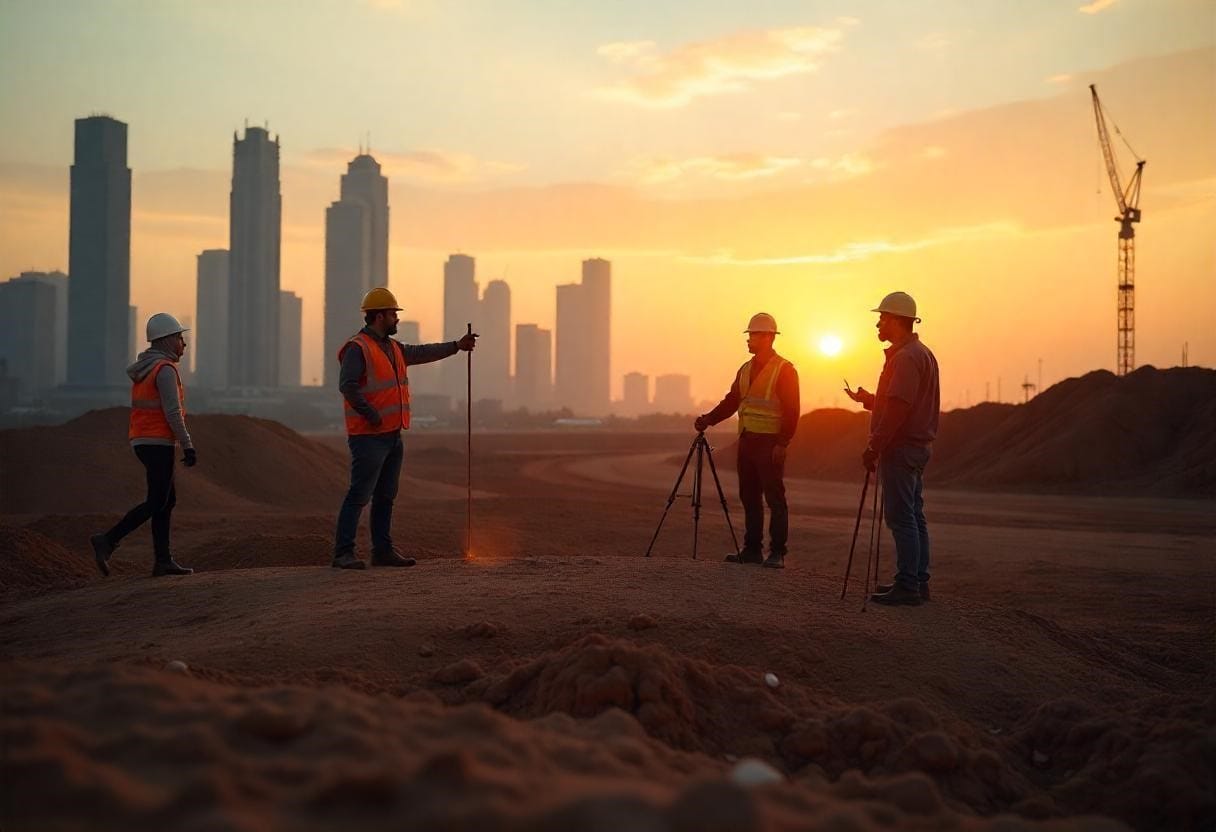
When developers, cities, or non-profits begin shaping new neighborhoods or redeveloping older ones, they often bring in a land use consultant to advise on zoning, environmental impact, and site layout. But just engaging a consultant isn’t enough: Phoenix is increasingly at a point where green infrastructure, integrating open space, stormwater systems, and habitat conservation, must be baked in from the earliest decisions. As climate challenges intensify, doing so offers resilience, ecological value, and quality-of-life benefits that go far beyond simply adhering to code.

Why Green Infrastructure Matters for Phoenix
Phoenix’s challenges are unique. Rapid population growth is colliding with persistent drought, hotter summers, and increasing monsoon flood risks. Traditional “gray” infrastructure, curbs, gutters, and pipes, was designed to move stormwater away quickly, but it fails to capture, reuse, or filter water. It also does little to mitigate the city’s urban heat island effect.
Green infrastructure flips this model by treating stormwater and open space as assets. Bioswales, permeable pavements, shaded walkways, urban tree canopies, and preserved desert washes can slow runoff, recharge groundwater, reduce heat, and create habitats. These systems not only protect ecosystems but also improve neighborhood livability, making developments more attractive to residents and investors.
Policy Tools Already in Place
Phoenix has laid some important groundwork:
- The city’s Green Stormwater Infrastructure (GSI) program provides design guidance and encourages features like bioretention basins, stormwater harvesting, and curb cuts that direct runoff into landscaped areas.
- The Greater Phoenix Green Infrastructure & LID Handbook offers developers and municipalities technical templates for incorporating low-impact development features across Maricopa County.
- The Maricopa Association of Governments (MAG) has updated public works and landscape standards to encourage sustainable practices such as drought-tolerant landscaping and improved stormwater management.
These resources show momentum, but adoption is inconsistent. Many projects still default to conventional grading and drainage methods, missing opportunities to integrate open space and habitat benefits.
Key Elements of Integrated Planning
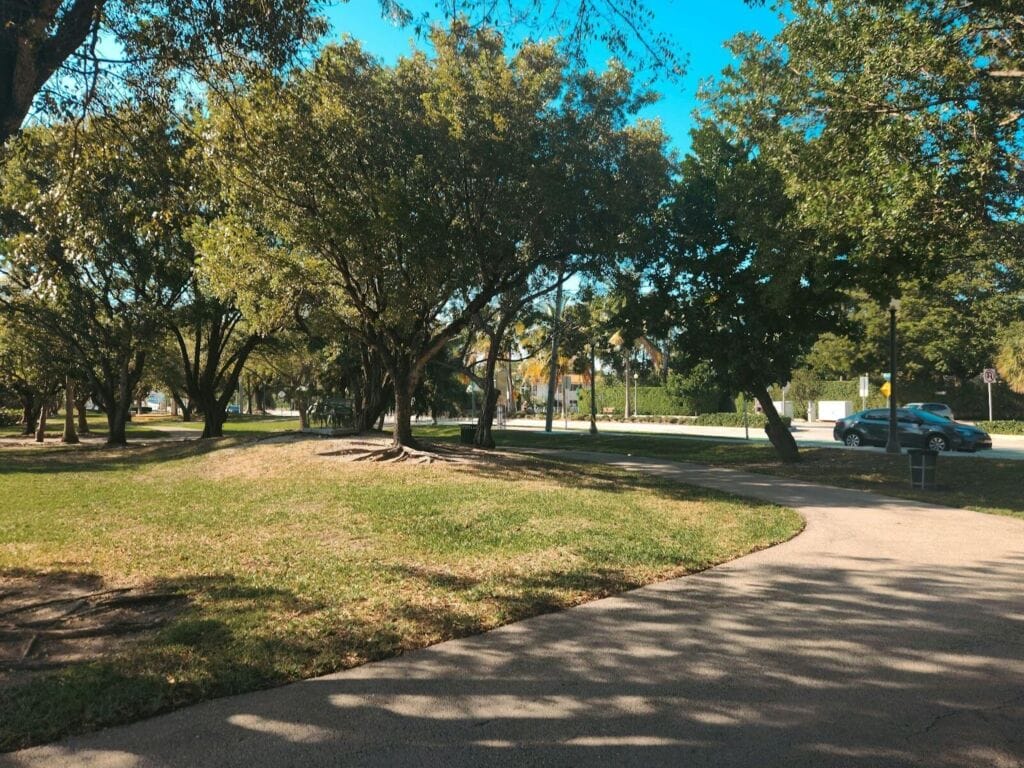
For Phoenix to move toward resilient growth, planners, developers, and municipalities should prioritize:
- Open Space Preservation
Protecting washes, riparian corridors, and foothill habitats provides multiple benefits: stormwater conveyance, recreation, habitat, and scenic value. Planned open space can also reduce long-term flood risk. - Low Impact Development (LID)
Bioswales, permeable parking lots, rain gardens, and infiltration basins allow stormwater to soak into the ground rather than run off into streets. When designed well, they double as attractive landscaping features for communities. - Habitat Connectivity
Isolated patches of green aren’t enough. Connected corridors allow pollinators, birds, and wildlife to survive in urbanized areas. In Phoenix, this might mean aligning preserved desert washes with regional trail systems, giving both people and wildlife mobility. - Multi-Functional Spaces
Parks and trails can serve dual purposes: recreational amenities and stormwater retention areas. For example, retention basins designed as sports fields or playgrounds maximize land use and community benefit. - Native and Desert-Adaptive Landscaping
Planting mesquite, palo verde, and other desert species reduces water demand and supports biodiversity. These plants also withstand Phoenix’s heat extremes better than exotics, cutting long-term maintenance costs.
Real-World Applications
Other desert cities offer useful case studies. In Tucson, green streetscapes with curb cuts direct stormwater into tree-lined medians, helping recharge aquifers. In Los Angeles, multi-benefit projects combine stormwater capture with new parks in underserved neighborhoods. Phoenix could adapt these models, scaling them across both new subdivisions and redevelopment corridors like Central Avenue or along light rail expansions.
ASU researchers have shown that even small interventions, such as pocket parks with shade trees and permeable surfaces, can measurably reduce neighborhood temperatures, making them critical for public health during heatwaves.
Challenges to Implementation
Despite the potential, barriers remain:
- Financing and Cost Perception: Developers often focus on upfront costs, even though long-term savings and property value gains can offset investments.
- Regulatory Hurdles: Outdated zoning codes, subdivision rules, or HOA guidelines may inadvertently block innovative green infrastructure features.
- Maintenance Concerns: Without clear responsibility, bioswales or basins can degrade into unattractive, underperforming spaces. Assigning stewardship, whether city departments, HOAs, or partnerships, is key.
- Market Pressure: In high-value growth areas, preserving open space can feel like sacrificing buildable land. Incentives and density bonuses can help balance these pressures.
What Phoenix Can Do Next
To normalize green infrastructure, Phoenix and surrounding municipalities could:
- Offer Incentives: Density bonuses, expedited permitting, or fee reductions for projects that integrate meaningful green infrastructure.
- Revise Codes and Ordinances: Embed GSI and habitat preservation requirements into zoning and subdivision regulations so they aren’t optional extras.
- Support Maintenance Programs: Establish funding or stewardship models to keep features attractive and functional over decades.
- Expand Public-Private Partnerships: Work with developers, utilities, and community groups to co-fund shared open spaces and stormwater corridors.
- Invest in Education and Workforce Training: Equip landscape architects, engineers, and construction crews with expertise in desert-specific green infrastructure techniques.
- Track and Publicize Results: Collect data on cooling, water savings, and property values from pilot projects, then share outcomes to encourage broader adoption.
Integrating open space, stormwater management, and habitat into Phoenix’s growth strategy is no longer optional, it’s central to sustaining the region’s livability. With early planning, thoughtful design, and guidance from a land use consultant, developers and municipalities can turn stormwater systems and open space into community assets.
As Arizona faces hotter summers, limited water, and continued growth, green infrastructure offers a path that balances environmental resilience with economic value, shaping neighborhoods where people and ecosystems thrive together.