The Phoenix office market continued to show signs of stabilization during the second quarter of 2026 as tenant demand shifted toward high-quality suburban properties, offsetting challenges that continue to weigh on the urban core, according to a new report from Transwestern. Strong leasing activity, positive absorption and a shrinking supply of sublease space suggest the market is gradually finding its footing after several years of post-pandemic adjustment.
WOMEN IN BUSINESS: The Most Influential Women in Arizona for 2026
WOMEN IN REAL ESTATE: The Most Influential Women in Commercial Real Estate for 2026
According to Transwestern’s Q2 2026 Phoenix Office Market report, the metro’s direct vacant available rate fell to 16.7%, down 20 basis points from the previous quarter while remaining flat year over year. Total availability edged up slightly to 23.8%, but remains well below last year’s level as companies continue to absorb existing inventory. One encouraging trend is the continued decline in sublease space, which has now fallen for five consecutive quarters to its lowest level since 2022.
Leasing activity helped push metro-wide net absorption to 141,747 square feet during the quarter, with no new office deliveries adding to inventory. Scottsdale once again emerged as the region’s standout performer, recording more than 208,000 square feet of positive absorption, fueled by Consumer Cellular’s 123,000-square-foot lease at 8501 E. Raintree Drive — the largest office lease completed in Phoenix so far this year. Tempe also posted notable activity, highlighted by AssistRx’s 50,000-square-foot sublease at 2160 E. Elliot Road and Honeywell’s 29,000-square-foot lease at 1625 W. Fountainhead Parkway.
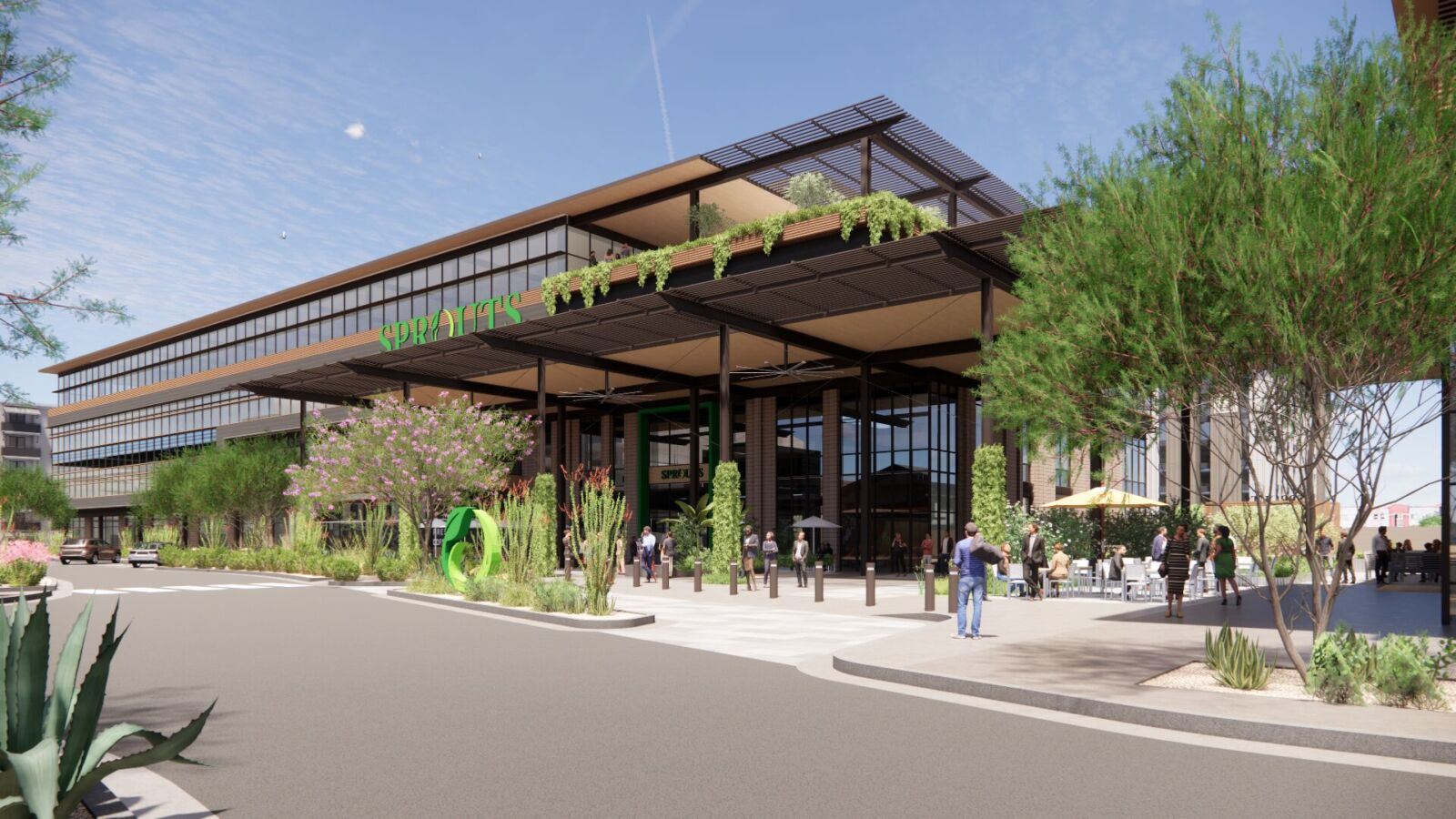
The report also points to a remarkably restrained construction environment. Only 450,000 square feet of office space remains under construction across the Valley, with the majority concentrated in the CityNorth development along Loop 101. That project includes new headquarters for Fortune 500 companies Republic Services and Sprouts, both expected to deliver later this year. With few new buildings entering the market, existing space has a greater opportunity to be absorbed as tenant demand continues to improve.
Rental rates have remained resilient despite elevated vacancy. Metro-wide asking rents held steady at $31.75 per square foot, while premium locations continue to command significant pricing. Camelback Corridor leads the market at $39.22 per square foot, followed closely by Scottsdale at $37.93 per square foot, where asking rents have increased for five consecutive quarters.
Not every part of the market is benefiting equally. Downtown and Midtown Phoenix remain the metro’s biggest challenge, posting a 25.2% direct vacancy rate and 31.0% total availability, representing more than 5.1 million square feet of available office space. In contrast, suburban submarkets continue attracting tenants seeking modern space with convenient access and amenities. The Airport Area’s direct vacancy rate improved to 14.1%, marking its sixth consecutive quarterly decline.
Employment trends also provide reason for cautious optimism. The Phoenix metro added approximately 7,100 office-using jobs over the past year, a 1.1% increase that nearly matched the national growth rate. While the unemployment rate reached 4.1% in May, office demand continues to benefit from Arizona’s expanding technology, healthcare and professional services sectors.
Taken together, the second-quarter data paint the picture of a market that is becoming increasingly bifurcated. Downtown landlords continue to navigate elevated vacancy, while suburban locations—particularly Scottsdale and Tempe — are capturing the bulk of new demand. With limited new construction, improving absorption and declining sublease availability, Phoenix’s office market appears positioned for gradual, demand-driven recovery rather than rapid expansion.