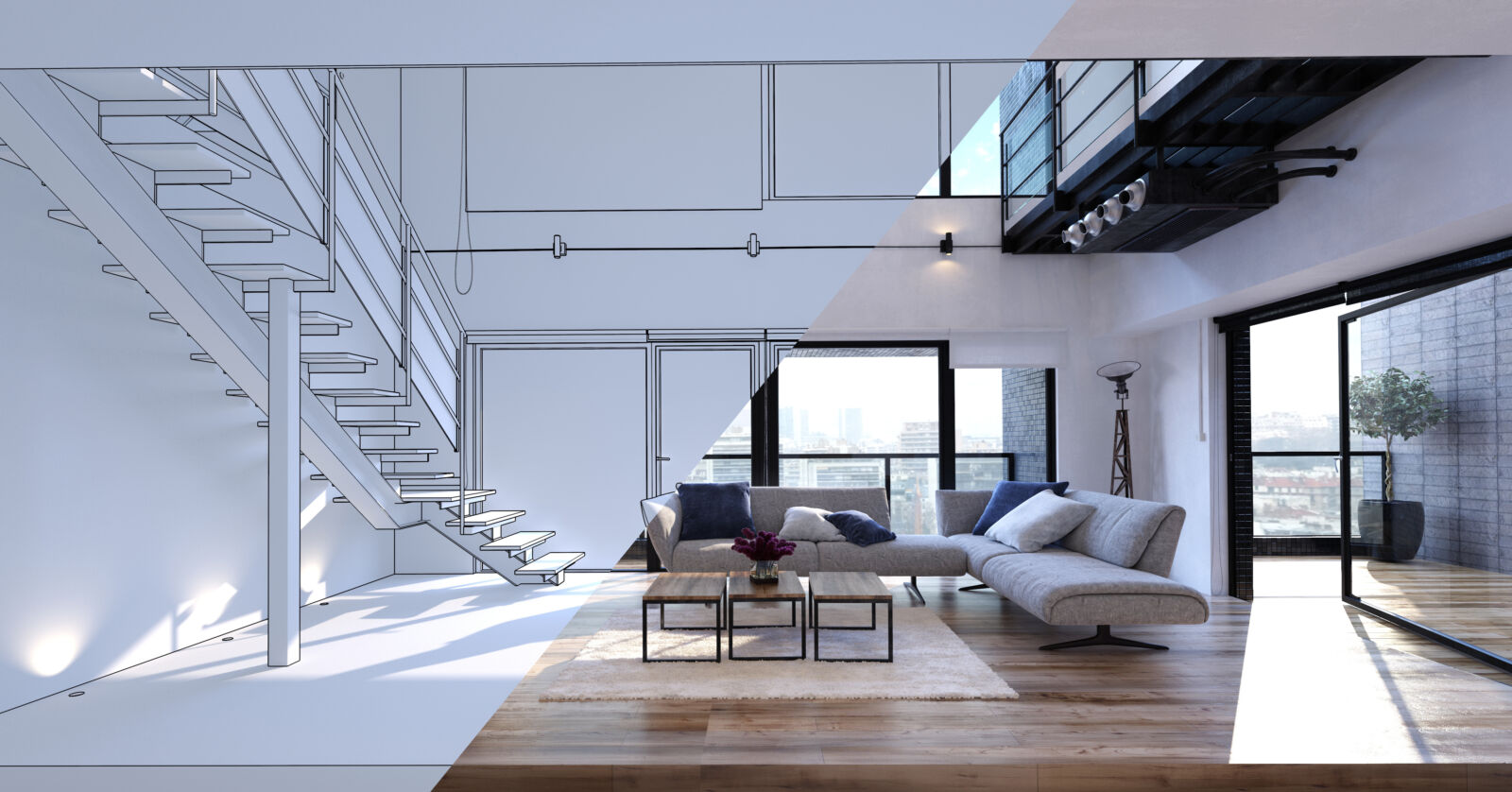
Buying a property before it’s built? That’s always been a bit of a gamble. You get floor plans, technical drawings, and lists of features, but none of that really tells you how the place will actually feel when you walk through the door. For most buyers, that disconnect becomes the biggest reason to hesitate.
Interior renderings flip the script. Suddenly, all those abstract plans turn into clear, lifelike images. You get to see the space, not just imagine it. These days, that kind of clarity isn’t just nice to have — it’s essential.
READ MORE: Here is the outlook for Phoenix’s 2026 housing market
LOCAL NEWS: Want more stories like this? Get our free newsletter here
The Confidence Gap in Pre-Construction Sales
Pre-construction sales run on imagination. Buyers have to picture room sizes, ceiling heights, light, and materials, using diagrams that don’t exactly tug at the heartstrings. Even folks who’ve done this before can have a tough time picturing how a space will actually work.
So, doubts creep in. Will the living room feel tight? Does the kitchen get enough sun? Are the finishes going to clash? Without real answers, buyers hesitate or walk away.
Interior renders close that gap. They don’t ask you to guess — they show you.
Turning Technical Jargon into Something You Can Feel
Architectural plans are great for precision, but they don’t exactly spark imagination. They tell you the numbers, not the mood. Interior rendering services take all those details and turn them into visuals anyone can read.
A good render shows how the sofa fits the room, how you’ll move from the kitchen to the hallway, how light hits the floors at different times of day. Buyers can judge scale and flow right away without any architecture degree required.
Suddenly, everything clicks. You don’t have to work so hard to imagine the place. Decision-making gets easier.
Seeing Space the Way You’d Live in It
People get disappointed when the real thing doesn’t match what they pictured. A room might technically have enough square feet but still feel crowded. Hallways might be up to code but look awkward when filled with furniture.
Interior renders fix that. They show spaces at human scale. You see where the couch goes, how you’d walk from one room to another, where you’d set up a reading chair. You can almost picture your own routine in the space.
This matters even more for smaller apartments or tight urban layouts, where every bit of space counts. When buyers see a space that works — not just on paper, but in practice — they start to feel confident.

Getting Real About Materials and Lighting
Picking materials is tough before construction. Swatches and samples just don’t show how everything comes together.
With interior renders, developers can show wood, stone, fabrics, and metal finishes as they’ll actually look under real lighting, right next to each other. It’s easier to see what feels warm, what stands out, and how the mood of the room comes together.
Lighting matters, too. The direction of sunlight, the warmth of artificial lights, the way shadows fall — these all change how a space feels. Good renders make those details clear, so buyers know what they’re really getting.
Letting Buyers Picture Themselves at Home
Let’s be real: buying a home isn’t just a logical choice. People imagine morning coffee in the kitchen, lazy evenings in the living room, quiet moments in a cozy nook.
Interior renders let buyers start dreaming. They see a finished space and can easily picture their lives unfolding there. That sense of “I could live here” builds trust and takes away a lot of the anxiety that comes with buying something that doesn’t exist yet.
In pre-construction sales, this emotional connection often tips the scales from interest to a firm commitment.
Reducing Risk Perception
Buying a property that doesn’t exist yet feels risky. You wonder if it will actually look like the plans? Will something get cut or changed halfway through? Will it feel right, or will it be a letdown?
That’s where high-quality interior renders come in. They’re more than just pretty pictures; they set the ground rules. Everyone gets on the same page about what’s coming. When the visuals match across ads, brochures, and meetings, buyers start to relax. It feels like the project is solid, not just a vague promise.
And honestly, when you take away that uncertainty, buyers get braver. They’re way more willing to jump in early.
Helping People Compare
Most buyers are looking at a couple of places at once. If one project shows only floor plans and some text, while another offers detailed renders, the difference stands out instantly. Renders let buyers see the layout, the finishes, even the mood of the place. Side by side, it’s obvious which developer cares about clarity. Buyers feel like they actually know what they’re getting into, and that trust makes a huge difference.
In crowded markets, that edge can tip the scales.
Keeping Everyone on Track
It’s not just for buyers, either. Developers, designers, and sales teams all use the same renders, so everyone’s speaking the same language. Misunderstandings drop. When a buyer asks a question, the sales team can show, not just tell. That confidence is contagious, and it makes buyers trust the process more. Fewer surprises after the sale, too.
Turning Questions Into Commitment
People feel confident when they know what they’re walking into. Interior renders take a lot of the guesswork away. They answer questions before anyone even asks. Instead of guessing, buyers get to see what they’re buying.
That’s why these renders aren’t just a nice touch anymore. They’re a must-have in pre-construction marketing. They don’t just make things look good; they make them real, believable, and easy to understand.
Setting a New Bar
Buyers expect more now. Realistic, detailed renders aren’t just a bonus but the baseline for any serious real estate project. Developers who invest in great visuals show buyers they respect their decisions. They get that clarity and honesty matter, especially for something as big as buying a home.
Before any concrete gets poured, you need to build trust. And interior renders? That’s where it starts.