AS 3740 is the Australian Standard that provides guidelines for waterproofing wet areas in residential buildings. Ensuring compliance with this standard is crucial for preventing water damage, mold growth, and structural issues in homes.
Understanding the key requirements of AS 3740 can help builders, contractors, and homeowners ensure that waterproofing systems are correctly designed and installed. This article outlines the essential aspects of AS 3740, including its scope, requirements, materials, and common compliance issues.
MORE NEWS: Phoenix bucket list: 25 things you must do
Scope of AS 3740
AS 3740 applies to the design and installation of waterproofing in wet areas of residential buildings, including:
- Bathrooms
- Laundries
- Toilets
- Kitchens (in some cases)
- Other areas exposed to water, such as enclosed balconies
The standard sets out the requirements for materials, design, and installation to ensure that wet areas remain watertight and functional over time.
Key Requirements of AS 3740
1. Waterproofing vs. Water Resistance
AS 3740 differentiates between waterproof and water-resistant materials:
- Waterproof areas prevent water from passing through.
- Water-resistant areas allow some moisture penetration but prevent damage to underlying structures.
For example, shower areas require full waterproofing, while other bathroom sections may only need water-resistant materials.
2. Shower Area Requirements
One of the most critical sections covered by AS 3740 is shower waterproofing. The key requirements include:
- Full waterproofing of shower bases and walls up to at least 1,800mm high.
- Shower floors must be fully waterproofed.
- A waterproofing membrane must extend at least 150mm above the shower floor outside the shower area.
- The junction between floors and walls must have seamless waterproofing.
3. Bath and Spa Areas
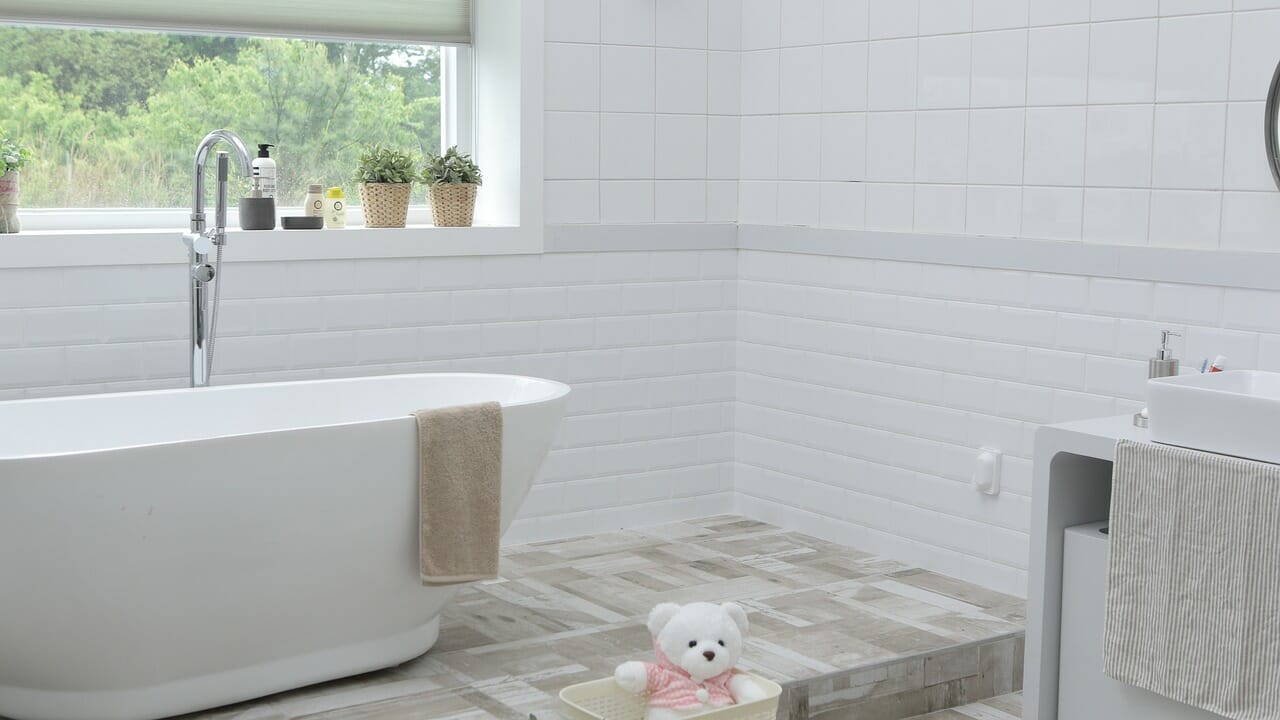
- Freestanding baths: The floor around them must be water-resistant.
- Built-in baths: The area around the bath must be waterproofed at least 150mm up the wall.
- Spa installations: Follow similar waterproofing rules as showers, especially if recessed into the floor.
4. Floor Waterproofing Requirements
- Floors in wet areas must be water-resistant at a minimum.
- If a timber or particleboard substrate is used, the floor must be fully waterproofed.
- A minimum fall of 1:100 should direct water toward the drain.
5. Wall Waterproofing Requirements
- Walls within 1,500mm of a shower must be waterproofed.
- In areas where a hand-held shower is installed, waterproofing should extend to at least 1,800mm high.
- The junctions between walls and floors must be properly sealed.
6. Penetrations and Junctions
Any penetration in waterproofed areas (such as pipes, floor wastes, and drains) must be properly sealed to maintain the integrity of the waterproofing system.
- Taps and fixtures should have flexible seals.
- Junctions between walls and floors should be sealed with appropriate waterproofing membranes.
7. Material Requirements
AS 3740 specifies acceptable materials for waterproofing, including:
- Liquid-applied membranes (commonly used for showers and floors)
- Sheet membranes (used for complex installations)
- Sealants and adhesives designed for wet areas
Materials used must meet durability and compatibility requirements as per the standard.
Common Compliance Issues
Even with clear guidelines, non-compliance issues frequently occur in residential waterproofing. Common mistakes include:
1. Incorrect Membrane Application
- Not applying waterproofing to the required height.
- Inadequate drying or curing times before tiling.
- Applying membranes too thin or inconsistently.
2. Poor Drainage Design
- Incorrect falls leading to water pooling.
- Insufficient slope towards drains.
- Inadequate installation of drainage channels.
3. Failure to Seal Junctions Properly
- Poorly sealed edges between walls and floors.
- Inadequate sealing around pipe penetrations.
- Gaps left at tile edges or corners.
4. Use of Non-Compliant Materials
- Using general-purpose sealants instead of waterproof-rated materials.
- Installing non-waterproof tiles or adhesives.
5. Lack of Testing and Inspection
- Not performing water resistance tests before tiling.
- Skipping professional inspections before completing the installation.
Steps to Ensure Compliance
To prevent costly repairs and rework, follow these steps:
1. Hire Qualified Professionals
- Engage licensed waterproofing specialists familiar with AS 3740.
- Ensure contractors provide certification of compliance.
2. Use AS 3740-Compliant Materials
- Verify waterproofing products meet Australian Standards.
- Use recommended adhesives, membranes, and sealants.
3. Follow Proper Installation Techniques
- Apply waterproofing membranes as per manufacturer instructions.
- Allow proper curing time before proceeding with tiling.
- Ensure a seamless waterproofing system across all junctions.
4. Conduct Waterproofing Tests
- Perform flood testing before finalizing waterproofing.
- Check for leaks around penetrations and junctions.
5. Obtain Compliance Certification
- Request compliance certificates from your waterproofing contractor.
- Keep records for future reference or warranty claims.
Understand AS 3740
AS 3740 plays a crucial role in ensuring the long-term durability of wet areas in residential buildings. By understanding its key requirements and implementing best practices, builders, homeowners, and contractors can prevent water damage and maintain compliance with Australian Standards. Proper planning, material selection, and professional installation are essential to achieving a reliable waterproofing system that meets AS 3740 standards.