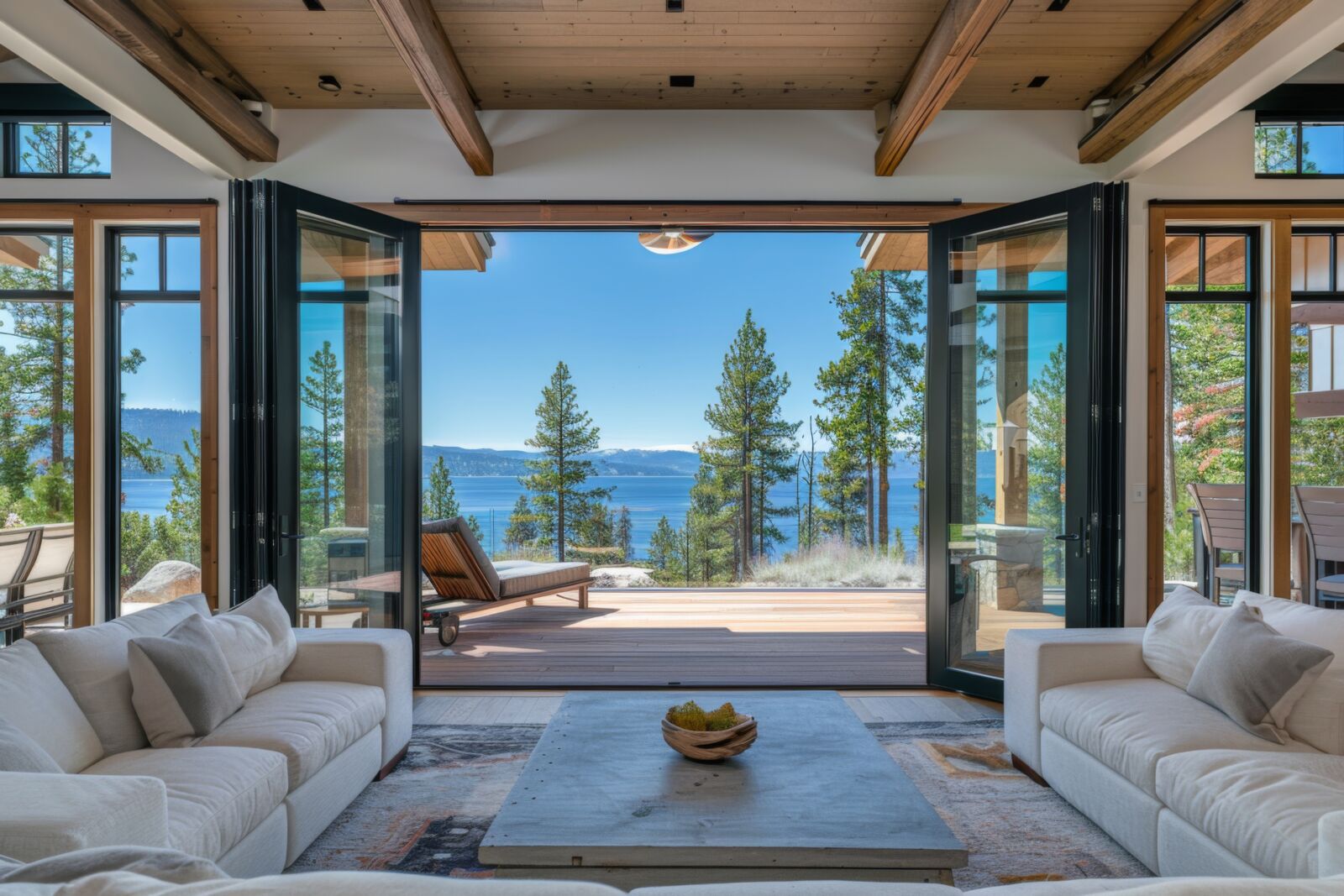
Owning a vacation rental in Lake Tahoe represents a significant financial commitment and a promising income opportunity. However, the unique challenges of operating a short-term rental in a high-altitude mountain environment come with insurance complexities and liability risks that many property owners underestimate. From burst pipes during winter storms to guest injuries on icy decks, Tahoe rental properties face exposures that standard homeowners policies simply don’t address. Understanding these risks and implementing comprehensive protection strategies isn’t just about compliance—it’s about safeguarding your investment, preserving your rental income, and maintaining peace of mind while your property generates revenue.
Why Tahoe Vacation Rentals Face Unique Insurance and Liability Challenges
Lake Tahoe’s vacation rental market operates under conditions that create compounded risk factors rarely found in other markets. The combination of extreme weather, high guest turnover, and evolving regulations creates an environment where inadequate insurance coverage can quickly turn a profitable rental into a financial liability.
Extreme Weather Conditions and Seasonal Property Risks
Tahoe properties endure some of the harshest weather conditions in the vacation rental industry. Winter storms dump hundreds of inches of snow annually, creating constant threats of roof damage, ice dams, frozen pipes, and structural stress. Properties can experience temperature swings of 40-50 degrees between day and night, accelerating wear on heating systems, plumbing, and building materials.
High Guest Turnover and Property Damage Exposure
Unlike long-term rentals where tenants have incentives to maintain properties, vacation rentals experience constant turnover with guests who have no stake in preserving your investment. A single holiday weekend can bring 8-12 different guests through your property, each interaction creating opportunities for accidental damage, intentional violations of house rules, or liability incidents.
Tahoe’s appeal as a party destination compounds these risks. Despite house rules prohibiting events, some guests book properties with undisclosed plans for gatherings. Noise complaints, parking violations, and property damage from unauthorized parties represent recurring challenges that require both preventative screening and responsive management. For property owners managing operations with MG Real Estate Tahoe, implementing robust guest verification and communication systems helps minimize these exposures before they result in claims.
Regulatory Compliance Requirements in Placer and El Dorado Counties
Both Placer and El Dorado counties have implemented strict short-term rental regulations that directly impact insurance eligibility and liability exposure. Operating without proper permits, business licenses, or TOT (Transient Occupancy Tax) registration can void insurance coverage entirely, leaving owners personally liable for any incidents.
LOCAL NEWS: 10 Arizona housing events that offer festive charm
INDUSTRY INSIGHTS: Want more news like this? Get our free newsletter here
Understanding the Gap Between Homeowners and Vacation Rental Insurance
One of the most dangerous misconceptions among new vacation rental owners is assuming their existing homeowners policy provides adequate protection for short-term rental operations. This assumption leaves thousands of property owners unknowingly exposed to catastrophic financial losses.
What Standard Homeowners Policies Don’t Cover for Short-Term Rentals
Traditional homeowners insurance policies explicitly exclude coverage for business activities, and renting your property for periods under 30 days qualifies as commercial activity in the eyes of most insurers. This means your homeowners policy likely provides zero coverage for guest injuries, property damage occurring during rental periods, or loss of rental income when the property becomes uninhabitable.
When Your Personal Liability Coverage Falls Short
Standard homeowners liability coverage typically ranges from $100,000 to $500,000—amounts that sound substantial until you’re facing a serious injury claim. Medical helicopter evacuations from Tahoe can cost $40,000-$60,000 alone. A guest who suffers a severe injury requiring surgery, rehabilitation, and lost wages can easily generate claims exceeding $1 million.
Without umbrella coverage or vacation rental-specific liability policies providing $1-2 million in protection, a single incident can consume your rental income for years or force you to sell the property to satisfy a judgment. Personal liability extends beyond your property value to your other assets, retirement accounts, and future earnings.
The Hidden Costs of Being Underinsured in a Rental Market
Beyond immediate claim payments, inadequate insurance creates cascading financial consequences. When a claim exceeds your coverage limits, you’ll face legal fees to defend against the excess amount—often $300-$500 per hour for attorneys. Even if you ultimately settle, the process can take months or years, during which you’re unable to rent the property or must disclose ongoing litigation to potential guests.
Properties with claims histories or coverage gaps also face difficulty securing future insurance. Carriers may refuse to renew policies, forcing owners into high-risk pools with premiums 2-3 times higher than standard rates. Some owners find themselves unable to secure any coverage at all, effectively ending their vacation rental operations.
Essential Insurance Coverage Types for Lake Tahoe Rental Properties
Building comprehensive protection for your Tahoe rental requires layering multiple coverage types that work together to address the full spectrum of risks you face as a vacation rental operator.
Dwelling and Property Coverage for Vacation Rentals
Vacation rental property policies cover the physical structure against perils like fire, wind, snow load, and vandalism. However, coverage limits should reflect replacement cost in Tahoe’s high-cost construction market, where building costs per square foot can reach $400-$600 for quality construction. Policies should also include guaranteed replacement cost endorsements that cover rebuilding even if costs exceed your coverage limit due to market conditions or building code upgrades.
Pay particular attention to deductibles for weather-related claims. Some policies impose percentage deductibles (2-5% of dwelling coverage) for wind or snow damage, meaning a $1 million property could have a $20,000-$50,000 deductible per claim. Understanding these provisions prevents unpleasant surprises when filing claims.
Liability Insurance: Protecting Against Guest Injuries and Claims
Vacation rental liability coverage protects you when guests or third parties are injured on your property or when your property causes damage to neighboring properties. Minimum recommended coverage for Tahoe rentals is $1-2 million, with many professional property managers requiring $2 million or more for properties with high-risk amenities like hot tubs, swimming pools, or fire pits.
Medical payments coverage, typically included with liability policies, pays for minor injuries without requiring a liability determination. This $1,000-$5,000 coverage can resolve minor incidents quickly, preventing them from escalating into formal claims. A guest who twists an ankle might accept payment for an urgent care visit rather than consulting an attorney.
Loss of Income Coverage During Repairs or Closures
Business interruption or loss of rental income coverage replaces lost revenue when your property becomes uninhabitable due to covered perils. If a winter storm damages your roof requiring three months of repairs during peak ski season, this coverage compensates for bookings you must cancel.
Coverage typically provides 6-12 months of income replacement, though some policies offer 24-month options. Calculate your coverage limit based on realistic rental income projections, factoring in both peak and off-season rates. Undercovering this exposure means absorbing lost income out of pocket while still paying mortgage, property taxes, and other fixed costs.
Contents and Personal Property Protection
Unlike standard homeowners policies that cover personal belongings, vacation rental policies need to address furnishings, appliances, electronics, linens, dishes, and all the items that make your property rentable. Inventory documentation with photographs and receipts proves ownership and value when filing claims.
Replacement cost coverage ensures you can replace stolen or damaged items with new equivalents rather than receiving depreciated actual cash value. For a fully furnished Tahoe rental, contents coverage should typically range from $50,000 to $150,000+ depending on property size and furnishing quality.
Flood and Snow Damage Riders Specific to Mountain Properties
Standard policies exclude or limit coverage for certain weather-related perils common in mountain environments. Flood insurance through the National Flood Insurance Program addresses water damage from snowmelt, backed-up drainage systems, or lake level changes. Even properties outside designated flood zones can experience flooding during heavy snowmelt periods.
Snow load endorsements specifically address roof collapse or structural damage from accumulated snow and ice—a real risk in Tahoe where seasonal snowfall can exceed 400-500 inches. These specialized coverages typically add 10-20% to base premiums but protect against the exact scenarios that threaten mountain properties.
Risk Management Strategies That Reduce Claims and Protect Revenue
Beyond purchasing adequate insurance, implementing systematic risk management practices substantially reduces claim frequency and severity. These operational strategies not only protect your investment but often qualify you for insurance discounts.
Implementing Clear House Rules and Guest Agreements
Comprehensive rental agreements that clearly outline prohibited activities, occupancy limits, quiet hours, and property-specific rules establish expectations and provide legal documentation if disputes arise. Rules should address parking, smoking, pets, parties, amenities usage, and emergency procedures.
However, rules only work when enforced. Communication protocols that verify guests have read and understood policies before arrival, along with follow-up messages highlighting critical rules, demonstrate your commitment to property management standards. Documentation showing you clearly communicated rules helps defend against claims that guests didn’t understand their responsibilities.
Regular Property Inspections and Preventative Maintenance Schedules
Scheduled inspections between guest stays identify developing maintenance issues before they become hazards. Loose deck boards, malfunctioning smoke detectors, worn stair treads, and other deteriorating conditions can be addressed proactively rather than discovered by guests who get injured.
Preventative maintenance schedules for HVAC systems, hot tubs, appliances, and structural elements reduce breakdown risks and extend equipment life. Documentation of inspections and maintenance work proves you maintained the property to reasonable standards—critical evidence in defending liability claims alleging negligence.
Installing Security Cameras, Noise Monitors, and Smart Home Technology
Exterior security cameras covering entry areas, driveways, and outdoor spaces deter misconduct and provide evidence when incidents occur. While interior cameras raise privacy concerns, exterior monitoring helps verify guest counts, identify unauthorized parties, and document property conditions at check-in and checkout.
Noise monitoring devices alert you to excessive sound levels that indicate parties or violations without recording conversations. Many insurance carriers offer premium discounts for properties with monitoring technology that reduces claim risks. Smart locks, water sensors, and temperature monitors provide additional layers of protection against common causes of property damage.
Emergency Response Plans for Winter Storms and Power Outages
Tahoe’s winter conditions demand detailed emergency protocols. Plans should address power outages, storm damage, road closures preventing check-ins or checkouts, burst pipes, and heating system failures. Guests need clear instructions for backup heating, emergency contacts, evacuation procedures, and property protection measures they can take.
24/7 emergency response capabilities ensure issues get addressed immediately rather than escalating into major damage or guest injury scenarios. Properties managed by professional companies benefit from established vendor relationships, on-call maintenance staff, and systems that route emergency calls appropriately regardless of time or day.
Proper Documentation and Photography Before and After Each Stay
Pre-arrival property condition documentation with timestamped photographs protects against false damage claims from guests. Post-checkout inspection with similar documentation identifies damage or missing items while guests’ security deposits remain available to cover losses.
This documentation also proves property conditions if liability claims arise. If a guest alleges they injured themselves on a broken step, photographs from the previous checkout showing the step in good condition help defend against the claim. Systematic documentation becomes particularly valuable months or years later when memories fade but legal cases proceed.
How Platform-Provided Coverage Compares to Independent Insurance
Major booking platforms like Airbnb and VRBO offer host protection programs that sound comprehensive but include significant limitations. Understanding these programs helps you determine what additional coverage you need.
What Airbnb Host Protection Insurance Actually Covers (and Doesn’t)
Airbnb’s Host Protection Insurance provides up to $1 million in liability coverage for hosts when guests or third parties are injured during their stay. This sounds substantial, but the program functions as secondary coverage with numerous exclusions. It doesn’t cover property damage to your rental, injuries to your own family or long-term residents, incidents during non-Airbnb bookings, or most business-related liability.
The program also excludes coverage for certain property types, locations, and activities. If you rent primarily through other channels, host multi-unit properties, or offer high-risk amenities, Airbnb’s coverage may not apply. Claims processes favor Airbnb’s interests, and the company controls decisions about settling or defending claims—you have limited input.
VRBO’s $1 Million Liability Coverage: The Fine Print
VRBO’s liability protection operates similarly with a $1 million limit but also functions as secondary coverage. It requires you to maintain primary insurance and only responds after your personal coverage is exhausted. Many hosts discover this structure only when filing claims, assuming VRBO coverage would be primary.
The program excludes intentional acts, business activities beyond simple property rental, and scenarios where hosts failed to maintain properties according to local codes and safety standards. Like Airbnb, VRBO controls claims handling, meaning you can’t select your own attorney or independently negotiate settlements.
Why Relying Solely on Platform Insurance Leaves Gaps
Platform coverage programs share fundamental limitations that create dangerous gaps. They don’t cover booking damages, cancellations, or revenue losses. They won’t address property damage from guests. They typically don’t apply to bookings made through other channels or direct bookings. And they don’t replace lost rental income when properties become uninhabitable.
Perhaps most significantly, platform coverage doesn’t protect your personal assets if claims exceed limits or fall within exclusions. Without independent primary coverage, you’re risking your investment property, other real estate holdings, savings accounts, and future income to satisfy judgments that platform programs won’t cover.
Coordinating Multiple Policies for Complete Protection
Comprehensive vacation rental protection requires layering coverage: primary vacation rental insurance for property damage and liability, platform coverage as supplemental protection, umbrella policies for excess liability, and specialized riders for unique risks. While this approach increases premium costs, it eliminates the gaps that leave you exposed to uninsured losses.
Working with insurance agents experienced in vacation rentals ensures policies coordinate properly without duplicate coverage or unexpected exclusions. Annual policy reviews verify that coverage remains adequate as property values, rental income, and risk profiles change over time.
Tax Deductions and Financial Benefits of Proper Insurance Coverage
While vacation rental insurance costs more than homeowners coverage, the expense qualifies as a deductible business expense that reduces your tax burden. Understanding the financial benefits helps justify comprehensive protection.
Writing Off Vacation Rental Insurance Premiums
All insurance premiums for your vacation rental business—property coverage, liability insurance, umbrella policies, and specialized riders—qualify as ordinary and necessary business expenses fully deductible on Schedule E of your tax return. For property owners in higher tax brackets, this deduction can reduce net insurance costs by 25-37%.
Accurate record-keeping that segregates vacation rental insurance from personal insurance simplifies tax preparation and documentation during audits. Professional property management companies often provide year-end summaries categorizing all deductible expenses, including insurance premiums paid on your behalf.
How Adequate Coverage Protects Your Long-Term Investment Value
Properties with documented insurance claims, particularly liability claims, can be difficult to sell or refinance. Buyers conducting due diligence review claims history, and properties with patterns of incidents may be perceived as high-risk investments. Comprehensive coverage combined with professional management that reduces claim frequency protects your property’s resale value and marketability.
Adequate coverage also ensures you can rebuild or repair properties after major damage without depleting personal resources or taking on debt. Properties that sit damaged or partially repaired lose rental income and decrease in value while you scramble to fund restoration.
Avoiding Out-of-Pocket Expenses That Erase Rental Income
A single uninsured claim can consume years of rental profits. A $50,000 liability settlement paid out of pocket represents the net income from $75,000-$100,000+ in rental revenue after expenses. Property damage requiring $30,000 in repairs can turn a profitable rental year into a net loss.
Insurance premiums that seem expensive—$4,000-$6,000 annually for comprehensive Tahoe rental coverage—represent just 5-10% of gross rental income for most properties. This expense protects against losses that could eliminate your investment entirely, making it one of the most cost-effective business expenses you can maintain.
How MG Real Estate Tahoe Manages Insurance, Liability, and Risk for Property Owners
Professional property management addresses insurance and liability concerns through systematic approaches that reduce risks, streamline claims processes, and often secure better coverage terms than self-managed operations achieve.
Coordinating with Local Insurance Providers Who Understand Mountain Rentals
Experienced property managers maintain relationships with insurance agents and carriers who specialize in mountain vacation rentals. These providers understand Tahoe-specific risks, regulatory requirements, and appropriate coverage structures. They can often secure more favorable terms, broader coverage, and more competitive premiums than individual owners obtain shopping alone.
Property management companies can also facilitate group insurance programs that leverage multiple properties to negotiate better rates. While you maintain control over your individual policy, the aggregated relationship provides bargaining power and access to carriers who might not write coverage for individual rental properties.
Proactive Maintenance and Inspection Protocols That Reduce Claims
Systematic property inspections, preventative maintenance schedules, and documented safety checks reduce claim frequency significantly. Insurance carriers recognize that professionally managed properties present lower risks and often provide premium discounts of 10-25% for properties under professional management.
Regular maintenance addresses issues before they cause injuries or major damage. Cleaning teams trained to identify maintenance issues, seasonal property preparations, and rapid response to emerging problems all contribute to safer properties with fewer insurance claims. This track record benefits owners through lower premiums and broader coverage availability.
24/7 Emergency Response Systems to Address Issues Before They Escalate
Immediate response to emergencies prevents minor issues from becoming major claims. When a guest reports a heating failure at 10 PM during a winter storm, rapid response prevents pipe freezing, property damage, and potential guest injury from inadequate heat. A leak identified and repaired within hours causes minimal damage; the same leak unaddressed for days can generate tens of thousands in damage.
Emergency response systems also provide documentation of incident timelines, actions taken, and communications with guests—critical information for insurance claims and liability defense. Detailed records demonstrating reasonable response times and appropriate actions help resolve claims favorably.
Documentation and Record-Keeping That Supports Insurance Claims
Professional property managers maintain detailed records that support insurance claims and defend against liability allegations. Pre-and-post-stay inspections, maintenance logs, communication histories, and incident reports provide evidence of property conditions, management actions, and circumstances surrounding incidents.
This documentation proves invaluable months or years after incidents when memories have faded. Insurance adjusters and attorneys reviewing claims find detailed contemporaneous records far more persuasive than reconstructed recollections. Properties with professional documentation resolve claims faster and more favorably than those with spotty or missing records.
Guest Screening and Communication Practices That Minimize Liability
Effective guest screening identifies high-risk bookings before confirming reservations. Third-party verification services, booking pattern analysis, and communication assessments help filter out guests likely to violate house rules, host unauthorized parties, or create liability incidents.
Clear pre-arrival communications that emphasize safety information, property-specific warnings, and emergency procedures reduce incidents by ensuring guests understand risks and protocols. Post-booking communications that verify guest understanding and address questions proactively prevent many common problems before guests arrive.
Building a Comprehensive Risk Management Plan for Your Tahoe Rental
Protecting your investment requires more than insurance—it demands systematic risk management that prevents incidents, documents conditions, and responds effectively when problems arise.
Creating Your Property-Specific Safety Checklist
Every property has unique features that require customized safety protocols. Properties with hot tubs need different checklists than those with swimming pools or fire pits. Steep properties require attention to stairs, railings, and walkway conditions that flat properties don’t face.
Safety checklists should address entry areas, walkways, stairs, railings, outdoor amenities, appliances, heating/cooling systems, smoke/CO detectors, fire extinguishers, emergency lighting, and any property-specific features that could create hazards. These checklists guide regular inspections and provide documentation of safety compliance.
Establishing Emergency Contact Lists and Vendor Relationships
Emergency situations require immediate access to qualified contractors. Establishing relationships with plumbers, electricians, HVAC technicians, roofers, and other specialists before emergencies occur ensures rapid response when issues arise. Pre-negotiated rates and priority service agreements prevent delays during high-demand periods when everyone needs contractors simultaneously.
Training Your Cleaning and Maintenance Teams on Risk Prevention
Cleaning and maintenance staff serve as your frontline risk management team. Training these professionals to identify maintenance issues, safety hazards, and guest-caused damage ensures problems get reported and addressed promptly. Staff who understand their role in protecting your investment become valuable partners in risk management.
Reviewing and Updating Your Plan Quarterly
Risk management plans shouldn’t be static documents filed and forgotten. Quarterly reviews ensure plans remain current as properties change, regulations evolve, and new risks emerge. These reviews provide opportunities to assess incident patterns, update insurance coverage, modify house rules, and adjust operational procedures based on experience.
Frequently Asked Questions About Tahoe Vacation Rental Insurance and Liability
Does my homeowners insurance cover short-term rental activity in Lake Tahoe?
No, standard homeowners policies typically exclude coverage for business activities including short-term rentals. You need specialized vacation rental insurance or a commercial policy amendment to ensure protection against guest injuries, property damage, and loss of rental income. Operating without proper coverage could leave you personally liable for claims and repairs.
What happens if a guest gets injured at my Tahoe rental property?
If a guest is injured on your property, they may file a liability claim against you for medical expenses, lost wages, and pain and suffering. Proper vacation rental liability insurance (typically $1-2 million minimum) covers legal defense costs and settlements. Without adequate coverage, you could face personal financial liability that threatens your investment and personal assets.
Are platform protections like Airbnb’s Host Protection Insurance enough for my Lake Tahoe property?
Platform-provided coverage should be considered secondary protection only. These programs have significant exclusions, coverage gaps, and claims processes that favor the platform. Independent vacation rental insurance provides primary coverage, broader protection, and direct claims handling. Many Tahoe property managers recommend carrying both for comprehensive protection.
How much does vacation rental insurance cost for a Tahoe property compared to regular homeowners insurance?
Vacation rental insurance typically costs 2-4 times more than standard homeowners policies, ranging from $2,000-$6,000+ annually for Tahoe properties depending on property value, location, amenities, and coverage limits. However, this expense is tax-deductible and protects against losses that could exceed your annual rental income. Many owners find that professional property management reduces premiums through documented risk management practices.
Can working with a property management company help reduce my insurance costs or liability exposure?
Yes, professional property managers often secure better insurance rates through their vendor relationships and proven risk management systems. They reduce claims frequency through regular inspections, preventative maintenance, guest screening, and 24/7 emergency response. Insurance providers view professionally managed properties as lower risk, which can result in premium discounts of 10-25% while providing better protection than self-managed operations.