Short-term rentals are no longer an experimental side market. Across major global cities, they have evolved into a regulated, performance-driven segment of the real estate economy. What separates markets that thrive from those that struggle is not demand—but how professionally that demand is managed.
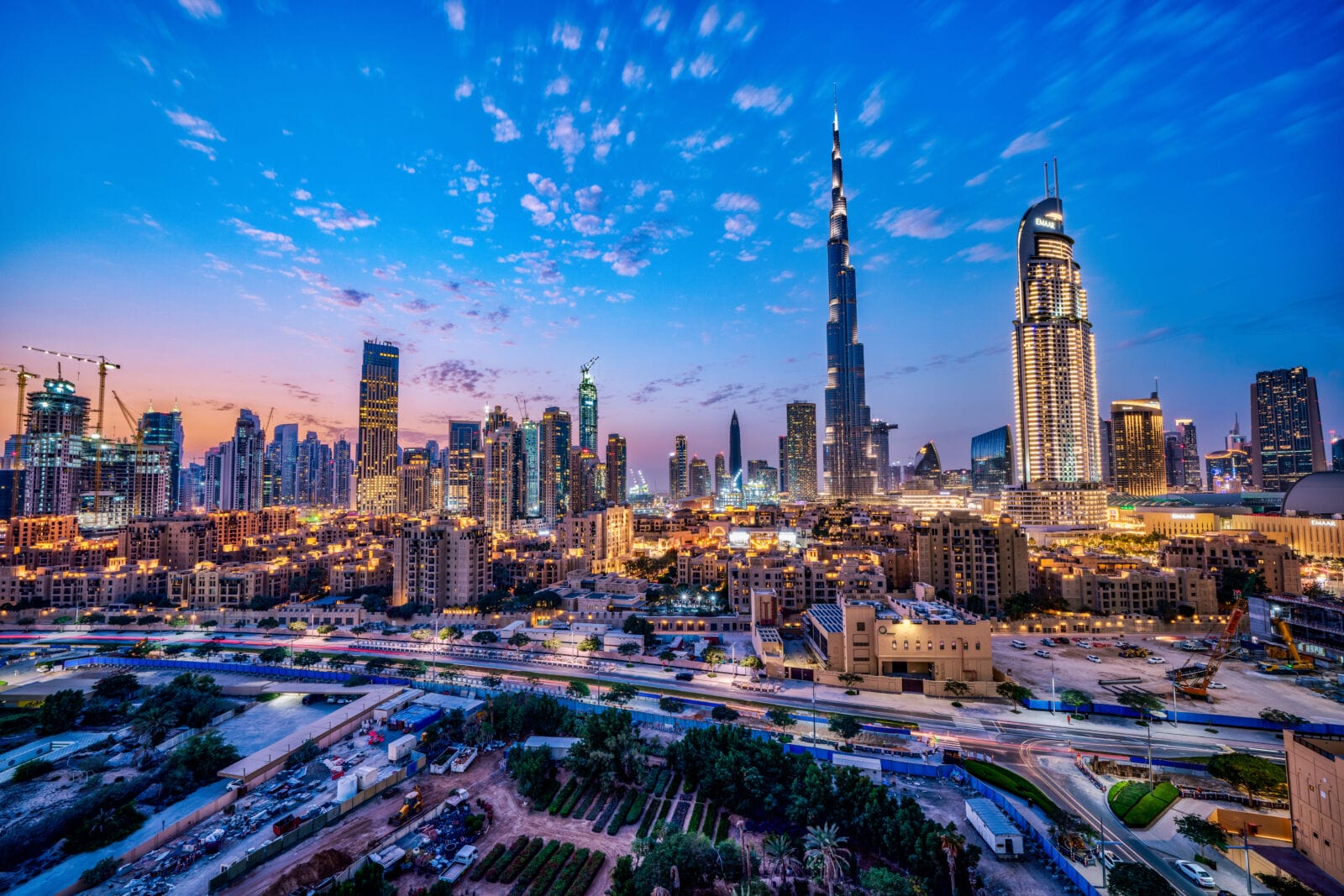
Few cities demonstrate this transformation more clearly than Dubai.
Once associated primarily with informal hosting, Dubai’s short-term rental market has matured into a structured, regulated, and professionally operated ecosystem. This evolution reflects a deliberate policy direction—one designed to balance tourism growth, investor confidence, and long-term urban sustainability.
Regulation as a Growth Enabler, Not a Constraint
Dubai’s regulatory framework has been a defining catalyst. Licensing requirements, mandatory compliance standards, and clearly defined operational responsibilities have brought structure to what was once a fragmented market.
Rather than slowing growth, regulation has raised the overall quality of supply. Investors benefit from legal clarity, guests enjoy consistent service standards, and the city protects its reputation as a premium global destination.
According to industry analysts, this shift has also accelerated demand for Dubai property management services, as owners increasingly prefer compliant, professionally run models over self-management—particularly in a market where oversight and guest expectations are high.
“What we’re seeing in Dubai is the institutionalization of short-term rentals,” says a regional hospitality analyst familiar with Middle East real estate trends. “This is no longer about individual hosts—it’s about systems, compliance, and operational performance at scale.”
From Casual Hosting to Operational Excellence
As the market matured, so did guest expectations. Today’s travelers expect hotel-level cleanliness, seamless check-ins, responsive support, and predictable quality—regardless of whether they are staying for two nights or two months.
Meeting these expectations requires more than availability listings. It demands trained teams, standardized operating procedures, preventive maintenance schedules, and 24/7 guest communication protocols. In response, professional operators have emerged as central players, transforming rental units into hospitality-grade assets.
This transition has repositioned short-term rentals from lifestyle investments into managed income properties, aligning them more closely with commercial real estate principles.
READ MORE: Here’s why the Arizona economy is poised to accelerate
LOCAL NEWS: Want more stories like this? Get our free newsletter here
Technology and Data Are Reshaping Performance
Another key driver of Dubai’s professionalization is technology. Advanced pricing algorithms, real-time occupancy tracking, and automated reporting tools are now widely used across professionally managed portfolios.
These systems allow operators to optimize nightly rates, respond to seasonal demand shifts, and deliver transparent performance insights to owners. For investors, this data-driven approach reduces uncertainty and supports informed decision-making—critical factors for long-term capital allocation.
A Market Comparison: Then vs. Now
The contrast between Dubai’s early short-term rental phase and its current professional landscape highlights just how far the sector has progressed:
| Aspect | Early-Stage Market | Professionalized Market |
| Regulation | Limited or unclear | Clearly defined licensing and compliance |
| Guest Experience | Inconsistent | Standardized, hospitality-led |
| Owner Involvement | Hands-on, reactive | Passive, performance-focused |
| Revenue Strategy | Fixed or manual pricing | Dynamic, data-driven pricing |
| Risk Exposure | High | Significantly reduced through compliance |
This transformation has contributed to stronger occupancy rates, improved guest satisfaction, and more predictable returns—key indicators of a sustainable rental economy.
Investor Confidence Through Structure
For international investors, Dubai’s approach offers something increasingly rare: growth supported by governance. Rather than relying on speculative demand, the city has invested in infrastructure that supports long-term performance.
Properties are treated as operational assets rather than short-term experiments. Owners focus on strategy and returns, while professional managers handle execution, compliance, and guest experience. This division of responsibility has strengthened market stability and enhanced Dubai’s appeal to institutional and cross-border investors.
A Blueprint for Global Cities
Dubai’s experience provides a compelling blueprint for other cities navigating the complexities of short-term rentals. The lesson is clear: sustainable growth comes from professionalization, not informality.
By aligning regulation, technology, and operational expertise, Dubai has transformed short-term rentals into a credible, investable segment of its real estate economy—one built not just for today’s travelers, but for long-term value creation.