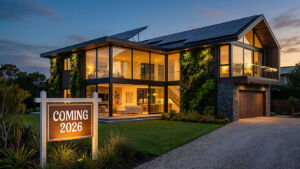
Designing a new home is a creative and technical journey — one that begins with a clear understanding of how space can shape the way we live. The 2000-square-foot home has become a sweet spot in contemporary residential architecture, offering the ideal balance between comfort, functionality, and cost efficiency. It’s spacious enough for a family of four or five, yet manageable in terms of maintenance, energy use, and budget.
For those seeking inspiration, the 2000 sq ft floor plan collection showcases a diverse range of layouts designed for various lifestyles and lot conditions, from compact urban parcels to open suburban properties. Understanding what makes this size so versatile is key to designing a home that fits seamlessly into your daily rhythm — today and for decades to come.
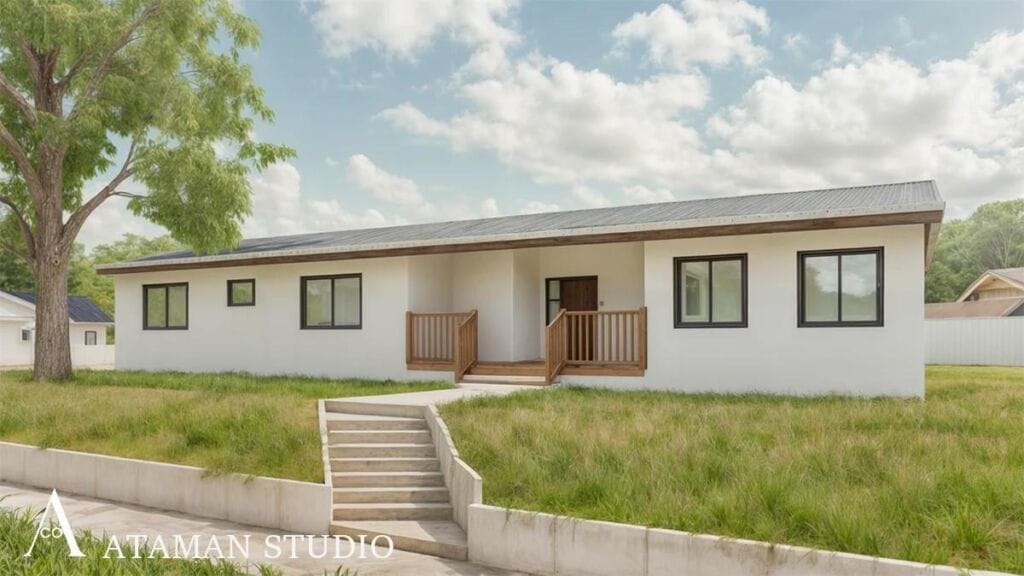
Why 2000 Square Feet Works So Well
In the world of residential design, homes around 2000 square feet occupy a unique niche. They bridge the gap between compact starter homes and larger luxury residences. Typically, this size allows for:
- Three or four bedrooms, each with adequate privacy
- Open-plan living areas that encourage connection and natural flow
- Optional home office, den, or flex room for remote work or hobbies
- Sufficient storage, without unnecessary square footage to maintain
From an architectural standpoint, the footprint offers enough flexibility to incorporate thoughtful spatial zoning — separating private quarters from social areas — while still maintaining cost efficiency in construction and operation. It’s large enough to feel substantial but not wasteful.
Architectural Planning and Site Context
The success of any home begins with how it interacts with its environment. A well-designed 2000-square-foot residence takes full advantage of its site — orientation, topography, and surrounding landscape.
- On narrow lots, linear or L-shaped configurations allow rooms to receive daylight and ventilation without compromising privacy.
- On sloped terrain, a partial split-level can help the home follow natural contours, minimizing grading and foundation costs.
- On wider suburban parcels, wings can be extended to create separation between public and private zones or to form courtyards that capture light and views.
Integrating the home with its surroundings not only enhances visual appeal but also supports sustainability through passive solar design, natural ventilation, and landscape integration.
Spatial Organization and Flow
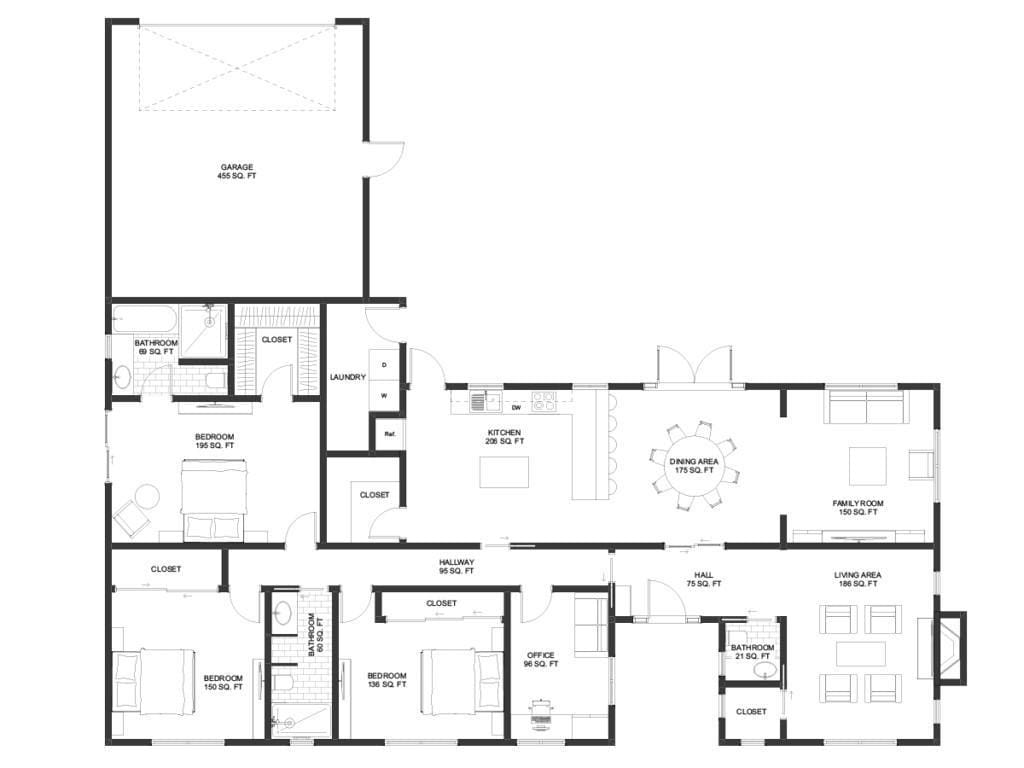
A hallmark of strong architectural design is logical, intuitive circulation. In 2000-square-foot homes, the challenge is to maintain openness while ensuring distinct functional zones.
Modern layouts often feature a central great room, combining living, dining, and kitchen spaces — a configuration that fosters social interaction while maximizing usable area. To maintain balance, private rooms are typically positioned on the periphery or a separate floor.
The transition between these zones should be seamless. Techniques like partial walls, ceiling height variations, or changes in flooring material can subtly define spaces without enclosing them. Efficient flow reduces wasted square footage and enhances the sense of spaciousness.
Popular Layout Concepts
Over the years, several proven configurations have emerged for homes of this size:
Single-Story Ranch Layouts
These emphasize accessibility and connection to outdoor living. Sliding glass doors and covered patios extend the living space, making them ideal for families who enjoy an indoor-outdoor lifestyle or plan to age in place.
Two-Story Contemporary Homes
Perfect for smaller lots, they allow for compact footprints while keeping bedrooms and private spaces upstairs. This vertical separation provides privacy and often better views.
Courtyard and U-Shaped Designs
These arrangements create private outdoor areas sheltered from wind and street noise, bringing natural light and ventilation deep into the home.
Each layout type can be tailored to local climate, lot size, and architectural style — ensuring a cohesive blend of form and function.
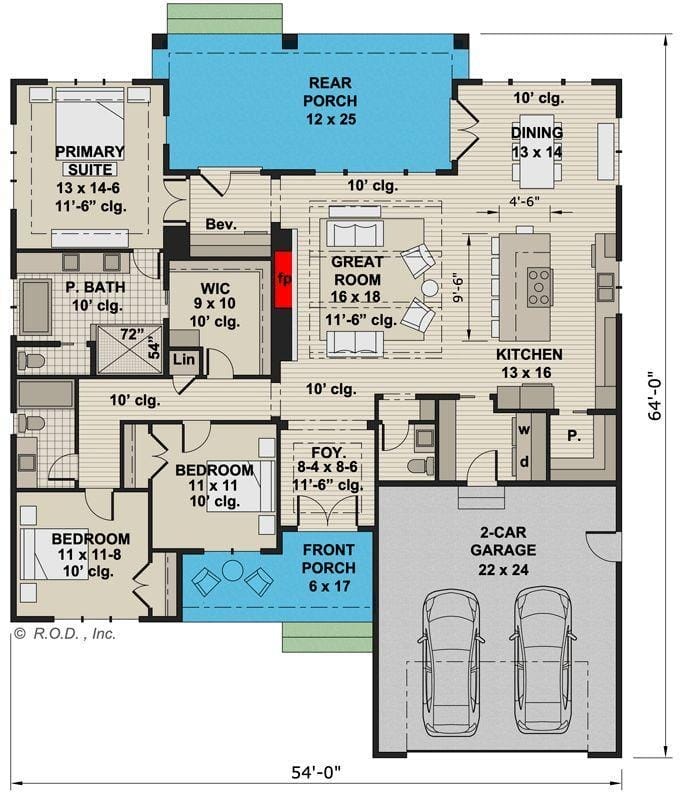
Aesthetic Direction: Architectural Styles That Fit
A 2000-square-foot home is adaptable across a range of architectural expressions. The key is to align exterior character with lifestyle and context.
- Modern and Minimalist: Clean lines, large windows, and open interiors that prioritize natural light.
- California Contemporary: Blends warm materials like wood and stone with modern geometry — ideal for hillside or coastal locations.
- Transitional: Combines traditional rooflines with modern floor plans, balancing familiarity and innovation.
- Craftsman and Cottage Styles: Feature tactile materials and smaller, more intimate rooms that emphasize craftsmanship and comfort.
No matter the aesthetic, architectural restraint is critical. Thoughtful detailing and proportion will elevate a modest home into something architecturally timeless.
DEEPER DIVE: Top 10 Arizona ZIP codes people are moving to in 2025
LOCAL NEWS: 100 best places to work and live in Arizona for 2025
INDUSTRY INSIGHTS: Want more news like this? Get our free newsletter here
Efficiency, Sustainability, and Performance
Beyond aesthetics, the modern 2000-square-foot home must perform well — environmentally and economically. California’s energy standards (Title 24) encourage integrating sustainable strategies early in the design process:
- Passive solar orientation to reduce heating and cooling loads
- High-performance insulation and glazing for energy efficiency
- Solar panel readiness and EV charging integration
- Drought-tolerant landscaping to reduce water use
- Efficient plumbing and lighting systems that minimize long-term costs
These principles ensure a home that is not only comfortable but also future-ready, responding intelligently to rising energy costs and environmental challenges.
Flexibility and Lifestyle Adaptation
Designing for flexibility is one of the defining trends in contemporary architecture. A 2000-square-foot home provides an excellent platform for multi-use spaces and long-term adaptability.
A guest bedroom can double as a study; a media room might later become a nursery or a gym. Incorporating movable partitions, built-in storage, and flexible furniture layouts ensures that spaces evolve with changing family needs.
Future-proofing can also include provisions for aging in place — wider hallways, single-level living, and step-free entries — or even space for a detached accessory dwelling unit (ADU) if zoning permits.
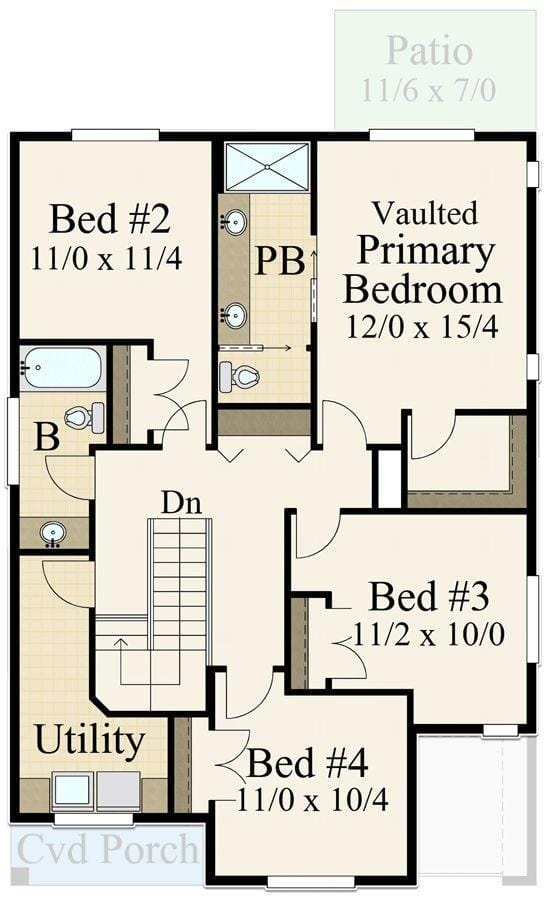
Technical Precision: From Blueprint to Permit
Turning a design concept into a permitted, buildable project requires technical expertise. Architects must balance creative vision with regulatory compliance.
Key technical steps include:
- Conducting zoning research to confirm setbacks, height limits, and floor-area ratios
- Preparing structural and energy calculations for local building departments
- Coordinating with consultants such as civil engineers and landscape designers
- Ensuring compliance with seismic, fire, and accessibility codes
This rigorous approach ensures a smoother permitting process and fewer surprises during construction — saving both time and money.
The Economics of Design and Construction
A thoughtfully designed 2000-square-foot home optimizes every investment. With construction costs continuing to rise, efficient planning has never been more critical.
Simplified massing, rational structural grids, and efficient use of materials can significantly reduce costs without compromising quality. Compact yet open floor plans minimize circulation areas, while thoughtful daylighting and ventilation reduce long-term operating expenses.
Moreover, well-proportioned, energy-efficient homes tend to retain value and appeal in the resale market — especially in competitive regions like Los Angeles and the Bay Area.
Final Thoughts
The ideal 2000-square-foot home is not defined by size alone, but by the intelligence of its design. When architecture, engineering, and lifestyle considerations align, every square foot contributes meaningfully to comfort, beauty, and efficiency.
A successful home plan in this range reflects a deep understanding of how people live — how light moves through rooms, how privacy and openness coexist, and how a structure responds to its environment. With thoughtful planning and professional execution, even a moderately sized residence can achieve architectural excellence and stand the test of time.