Commercial owners and managers spend time discussing interiors, technology, staffing and compliance, but the first thing any customer, tenant or visitor experiences is the external environment. The walk from car park to entrance forms a judgment before a single word is spoken. That is why outdoor hardscape upgrades are not a luxury line item. They are a commercial strategy.
Paths, patios, courtyards, steps, borders, seating and ground materials influence safety, foot traffic, brand perception and long-term asset value. When hardscapes are designed intentionally, revenue opportunities rise and operational risks fall.
Here is what business decision-makers need to understand.
READ MORE: Here is the outlook for Phoenix’s 2026 housing market
LOCAL NEWS: Want more stories like this? Get our free newsletter here
Hardscapes Influence Customer Behavior
People slow down where they feel comfortable and move quickly where they feel exposed or inconvenienced. A well-planned approach space—clean paving, logical movement lines, structured edges and a visible invitation to stay—encourages browsing, lingers and purchases.
For hospitality businesses, outdoor upgrades directly correlate with dwell time. When diners have a reason to sit outside, tables increase without extending the building. A simple commercial patio can raise covers, event capacity and seasonal performance.
Maintenance Budgets Decrease When Surfaces Are Planned Properly
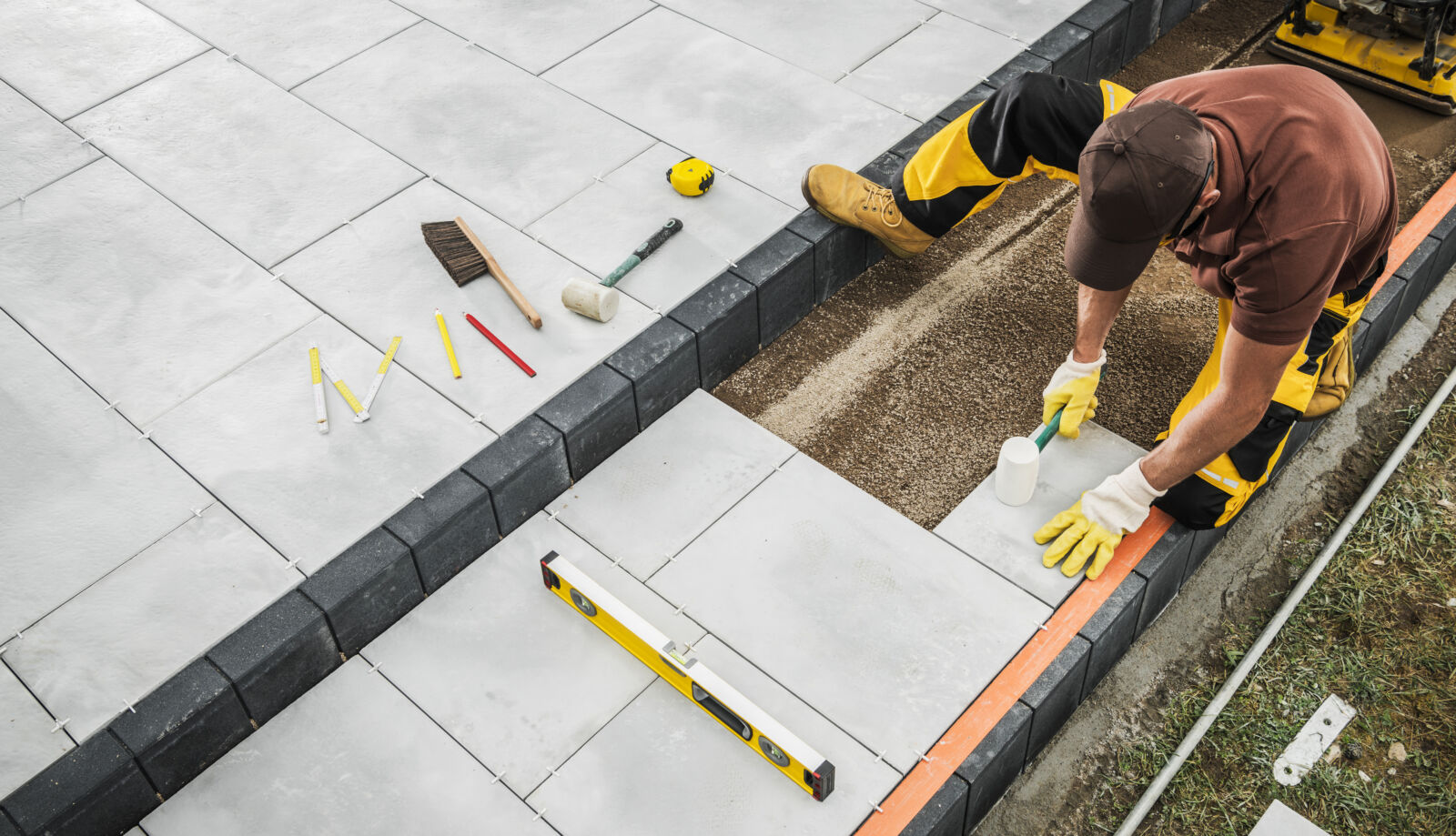
Poor paving layouts allow water to pool. Uneven surfaces break down, lift or crack. Cheap installations demand constant repair. Hardscapes engineered for drainage, durability and load withstand heavy usage without chasing maintenance budgets.
Concrete, pavers, stone and engineered surfaces all have different wear characteristics. When they are selected for the correct traffic level (such as deliveries, wheelchairs, trolleys, daily footfall), the replacement cycle stretches further, preserving capital.
Outdoor Space Affects Commercial Safety Scores
Injury claims often originate outside the building. Trip hazards, loose edges, slippery surfaces and awkward steps are liabilities. Hardscape upgrades reduce exposure.
Accessible gradients, handrails, wider turning radiuses and clearly defined pathways help organizations meet standards and safeguard reputation. A safer approach area also improves customer confidence, which is an invisible commercial advantage.
Brand Identity Starts Outside
Before branding enters signage and interiors, it lives in physical impressions. Sharp linear paving communicates modernity. Mixed textures suggest craftsmanship. Natural stone shows heritage. Consistent geometries signal order.
A hardscape is a commercial welcome. It tells a visitor whether a business cares about clarity, cleanliness and detail. A strong first impression is not just aesthetic, as buyers are more likely to trust a company that maintains its frontage.
Outdoor Space Drives Revenue Diversification
A commercial upgrade can create:
- rentable outdoor event space
- pop-up retail or tasting stations
- seasonal seating
- co-working courtyards
- tenant amenity zones
- wellness, fitness and family areas
These additions transform unused land into economic utility. The outdoors becomes a profit surface rather than dead square footage.
Tenants Prefer Value-Added Environments
Commercial landlords succeed when tenant retention is high. Hardscape investments increase tenancy appeal because businesses want to operate in environments that look finished, functional and future-proof.
A site with thoughtful external areas attracts employers focused on culture and client experience. It also photographs well, which is important in a world where every listing is visual.
Sustainability Goals Are Easier to Achieve
Permeable paving, engineered drainage, low-maintenance stone, recycled content and planned planting reduce water waste and heat retention. Many organizations now benchmark ESG performance, and the built exterior is one of the simplest ways to deliver immediate gains.
A Hardscape Upgrade Signals Long-Term Thinking
Short-term operators patch. Confident operators build. Investors, banks and buyers notice the difference. When a commercial site has a coherent outdoor environment, it shows that management protects its asset rather than defers deterioration.
That confidence improves valuation.
The message is straightforward:
Outdoor hardscapes are part of commercial performance.
They control safety, influence spending, reinforce image and expand income. When a business treats the outside like revenue-producing infrastructure, the return is measurable—footfall increases, loyalty strengthens and long-term value rises.