Glass is no longer just a fragile material used to let light into a building. In modern residential and commercial construction, it plays a central role in comfort, efficiency, safety, and design. From reducing energy costs to enhancing architectural appeal, today’s glass solutions are far more advanced than they were just a few decades ago.
As glass technology has evolved, so has the expertise required to install and maintain it properly. In Arizona, where intense heat, constant sun exposure, and durability are daily considerations, long-established, family-run glass companies have helped translate innovation into real-world performance. Their hands-on experience has been essential in ensuring that new technologies actually work in demanding conditions.
This article looks at how glass technology has changed over time in both residential and commercial settings, and how a multi-generation company like Demers Glass has grown alongside those advancements since 1977, serving Arizona communities with a commitment to craftsmanship, trust, and adaptability.
The Early Role of Glass in Residential and Commercial Buildings
In its earliest applications, glass served a straightforward purpose: allowing light and visibility while providing a basic barrier from the outside environment. Early residential glass was typically single-pane and offered little protection against heat transfer, noise, or impact.
Commercial buildings followed a similar pattern. Glass was most often used in storefronts or office windows, with minimal consideration for insulation, solar control, or long-term performance. As a result, both homeowners and business owners faced ongoing challenges.
For many years, these limitations were simply accepted, including:
- Significant energy loss through windows
- Limited design and architectural flexibility
- Frequent repairs and replacements due to breakage
- Minimal safety and security standards
During this time, local glass companies focused primarily on cutting, fitting, and replacing basic glass panels. However, as construction demands increased and technology improved, the role of glass began to change rapidly toward the end of the 20th century.
The Rise of Energy-Efficient Glass Technology
One of the most impactful developments in modern construction has been the rise of energy-efficient glass systems. These innovations have been especially important in hot, sun-intensive regions like Arizona, where controlling indoor temperatures is critical.
Double and Triple-Pane Insulated Glass
The introduction of double-pane and triple-pane insulated glass units (IGUs) marked a turning point in both residential and commercial construction. By using sealed air or gas-filled spaces between panes, these systems significantly reduce heat transfer.
Key benefits include:
- Lower cooling and energy costs
- More consistent indoor temperatures
- Reduced strain on HVAC systems
- Improved sound insulation
As energy costs increased and building efficiency standards became more stringent, Arizona homeowners and commercial property owners quickly adopted insulated glass solutions as a practical long-term investment.
Low-E Glass and Solar Control Innovations
Another major advancement came with the development of low-emissivity (Low-E) glass coatings. These nearly invisible coatings reflect infrared heat while still allowing natural light to pass through, making them ideal for high-sun environments.
In regions like Arizona, Low-E glass helps provide:
- Reduced solar heat gain
- Protection from harmful UV rays
- Improved year-round energy performance
- Better compliance with modern building codes
Local glass professionals who understood regional climate challenges played a key role in helping property owners select and properly install these advanced glass systems.
Safety and Security Glass: A New Standard
As building codes and safety regulations evolved, so did the expectations placed on glass products. Safety and security are now fundamental requirements in both residential and commercial spaces.
Tempered Glass
Tempered glass is heat-treated to increase strength and durability. When broken, it shatters into small, blunt pieces rather than sharp shards. Today, it is a standard requirement in areas such as:
- Entry doors
- Bathrooms and shower enclosures
- Storefronts
- Commercial entryways
Laminated Glass
Laminated glass consists of multiple layers bonded with a durable interlayer. This design offers:
- Increased impact resistance
- Enhanced protection against break-ins
- Improved sound insulation
- Added safety from flying debris
These innovations have significantly improved how glass is used in high-traffic, high-risk, and security-conscious environments.
Architectural and Design-Driven Glass Applications
Modern architecture has embraced glass not just as a functional element, but as a defining design feature. Today, glass is often meant to be seen, not hidden.
Popular architectural applications now include:
- Floor-to-ceiling windows
- Glass railings and interior partitions
- Frameless shower enclosures
- Custom mirrors and decorative glass
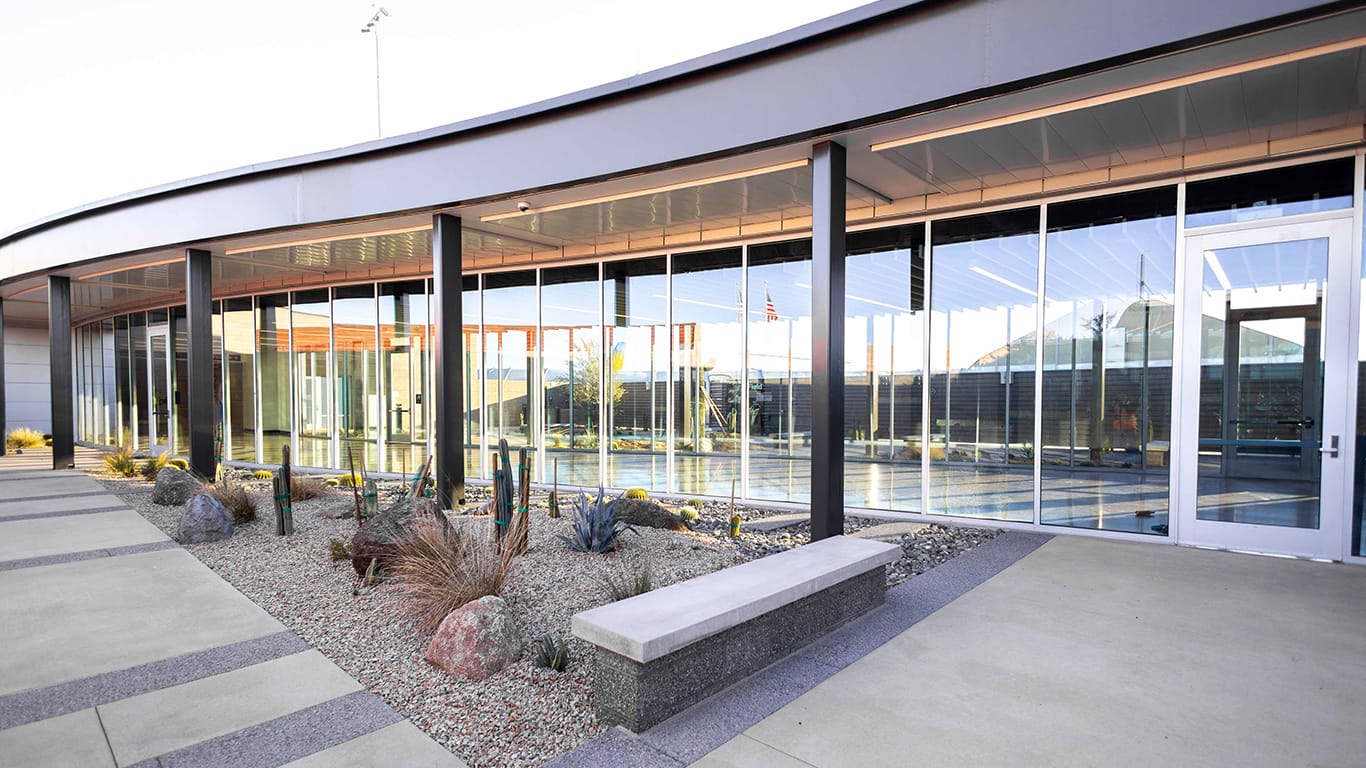
- Large, visually striking storefront systems
These design-driven applications require a higher level of craftsmanship, precise installation techniques, and close collaboration between glass professionals, builders, and designers.
Commercial Glass Technology and Business Growth
In commercial construction, glass plays an essential role in branding, functionality, and customer experience. Well-designed glass systems can enhance visibility, improve energy efficiency, and create a more welcoming environment.
Modern commercial glass solutions often include:
- Energy-efficient storefront systems
- Curtain wall assemblies
- Impact-resistant and safety glass
- Smart glass and tinting technologies
- Code-compliant glazing for public spaces
Businesses depend on experienced glass contractors who understand local building regulations, engineering requirements, and long-term durability, particularly in fast-growing states like Arizona.
Sustainability and the Future of Glass
Sustainability has become a major focus in the glass industry. Manufacturers and installers alike are prioritizing solutions that reduce environmental impact while improving performance.
Current advancements emphasize:
- Recyclable and eco-friendly materials
- Lower carbon footprints in production
- Enhanced thermal performance
- Compatibility with green building standards
Emerging smart glass technologies, including electrochromic and dynamic glazing, allow buildings to adjust light, heat, and privacy levels in real time. As these technologies continue to evolve, experienced glass companies remain essential in helping property owners make informed, practical choices.
Growing With the Industry: A Family-Run Arizona Glass Company Since 1977
While glass technology has changed dramatically over the decades, the importance of experience, craftsmanship, and trust has remained constant.
Since 1977, Demers Glass has operated as a family-run glass company serving Arizona, growing alongside every major advancement in residential and commercial glass technology. Across multiple generations, the company has adapted to new materials, updated building codes, and changing customer expectations while staying true to its commitment to quality workmanship and personal service.
Family-owned glass companies offer unique advantages, including:
- Long-standing relationships within local communities
- A deep understanding of Arizona’s climate and construction needs
- A focus on quality and long-term performance
- Accountability that spans generations
By combining traditional craftsmanship with modern glass solutions, Demers Glass has continued to serve homeowners, builders, and commercial clients with the same dedication that has defined the company for decades.
Why Local Experience Still Matters in Modern Glass Installation
Even with today’s advanced glass products, overall performance ultimately depends on proper installation and ongoing service.
Established local glass companies provide:
- Knowledge of Arizona-specific building codes and energy standards
- Experience working in extreme heat conditions
- Personalized consultations and custom solutions
- Reliable long-term repair and support services
For both residential and commercial projects, working with a company that understands local conditions ensures glass systems perform as intended for years to come.
Conclusion: Glass Technology Evolves, Expertise Endures
The evolution of glass technology has reshaped modern construction, making buildings safer, more energy-efficient, more sustainable, and visually striking.
Yet, as materials and innovations continue to advance, the value of experienced, family-run glass companies remains unchanged. In Arizona, companies like Demers Glass, serving the community since 1977, represent the balance between tradition and innovation, helping homes and businesses benefit from modern glass solutions supported by decades of trusted expertise.
As the future of glass unfolds, it is the combination of innovation, craftsmanship, and generational knowledge that will continue to shape how we live, work, and build.