The global landscape for wealth migration and transnational investment is undergoing a seismic shift in 2026. For decades, high-net-worth individuals (HNWIs) and institutional investors looked toward Western Europe for secondary residencies and asset diversification. However, with the aggressive phasing out of Golden Visa programs in nations like Portugal and Spain, alongside rising tax burdens across the Eurozone, smart capital is rapidly reallocating.
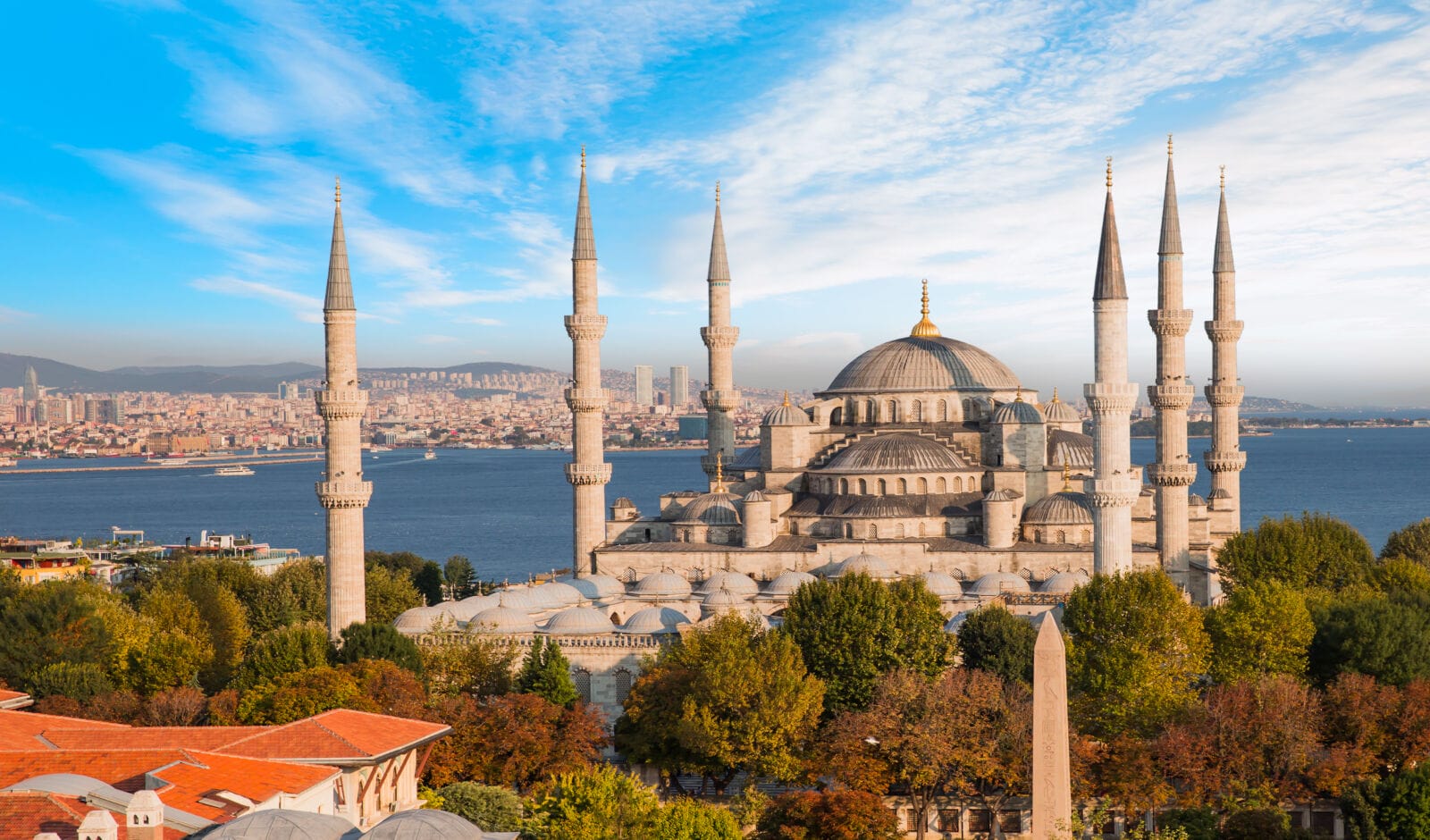
At the epicenter of this geopolitical and economic pivot is Turkey—specifically, the mega-metropolis of Istanbul. Far beyond its historical significance as the bridge between East and West, Istanbul has matured into a financial powerhouse, offering a sophisticated real estate market that provides robust asset protection, high-yield commercial opportunities, and unparalleled avenues for global mobility.
Macroeconomic Hedging: The Shift from Speculation to Value Preservation
To understand the influx of foreign capital into Turkey in 2026, one must look at the changing regulatory environment. In previous years, the market saw a high volume of speculative, short-term buyers seeking a temporary resident permit (known locally as the kimlik) through minimal rental agreements or low-tier property purchases.
Today, the Turkish government has decisively shifted its focus toward attracting serious, long-term economic participation. While the average cost of house in peripheral or developing districts like Arnavutköy or Pendik might attract entry-level buyers, international institutional capital is laser-focused on prime, central real estate. Districts such as Şişli, Beşiktaş, Levent, and Kadıköy are witnessing significant capital appreciation. In these zones, luxury branded residences and Grade-A commercial spaces offer rental yields that consistently outpace traditional safe-haven markets like London, Paris, or even Dubai. Investors are utilizing Istanbul real estate not just as a speculative play, but as a tangible hedge against global inflation.
WOMEN IN BUSINESS: The Most Influential Women in Arizona for 2026
WOMEN IN REAL ESTATE: The Most Influential Women in Commercial Real Estate for 2026
The Synergy of Elite Lifestyle and Operational Efficiency
A critical factor driving North educational and European buyers to the Bosphorus is the extraordinary asymmetry between the quality of life and the capital required to sustain it. When corporate executives and remote entrepreneurs evaluate the cost of living in istanbul, the data reveals a compelling narrative.
Foreign capital secures a lifestyle of luxury—encompassing world-class private healthcare facilities, elite international schools, and premium dining—at a fraction of the operational costs found in New York or Los Angeles. This unique economic efficiency ensures that properties in premium neighborhoods experience near-zero vacancy rates, driven by a constant influx of expatriates, diplomats, and transnational business owners seeking high-end rentals.
The $400,000 Threshold: Citizenship and The US E-2 Bridge
The crown jewel of the Turkish foreign investment framework is its highly streamlined Citizenship by Investment (CBI) program. By making a minimum real estate acquisition of $400,000 and holding the asset for a period of three years, investors and their immediate families are granted a turkish passport. This grants visa-free or visa-on-arrival access to over 110 countries, serving as a vital geopolitical insurance policy in an era of increasing border restrictions.
More crucially for the North American and global business audience, Turkey maintains an active and highly coveted E-2 Investor Visa treaty with the United States. For citizens of countries that do not have a direct treaty with the US, acquiring Turkish citizenship via real estate is the most capital-efficient stepping stone to establishing a business and residing legally in the United States. This dual-strategy allows investors to generate passive rental income from an appreciating asset in Eurasia while expanding their corporate footprint in the US market.
Navigating a Complex Market: The Need for Institutional-Grade Expertise
While the macroeconomic indicators are overwhelmingly positive, executing a seamless, high-value transaction in a city of 16 million people requires sophisticated local architecture. Istanbul’s real estate market is hyper-localized; a property situated just two streets away from a prime transit hub can yield vastly different returns than one further out. Furthermore, navigating the rigorous legal requirements for title deed (Tapu) clearance, bank valuations, and citizenship compliance demands flawless execution.
Attempting to navigate this landscape without highly specialized counsel is a risk profile that sophisticated investors actively avoid. Partnering with a premier real estate agency that offers end-to-end legal integration, portfolio management, and investment advisory is the baseline for success.
For investors ready to capitalize on the 2026 market dynamics, the first step is analyzing a vetted, institutional-grade portfolio. Exploring the premium selections of Istaproperty istanbul property provides international buyers with a transparent, data-driven look into the city’s most lucrative residential and commercial opportunities.
In 2026, investing in Turkey is no longer a peripheral strategy; it is a central pillar for global wealth generation, strategic mobility, and legacy preservation.