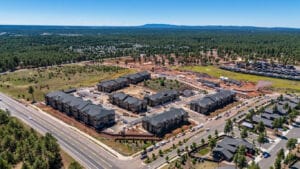
Long-term success in the real estate industry is often determined by the willingness to innovate and adapt to changing market dynamics. As demographic trends shift and technology reshapes expectations, real estate professionals are challenged to embrace modern methods for growth and sustainability. Industry leaders like John Picerne have demonstrated that combining tradition with innovation is key to thriving in a competitive landscape.
Integrating emerging technologies, prioritizing sustainability, and diversifying investment approaches are no longer optional, as they are essential strategies for those seeking to outperform the competition. These strategies can make a significant impact on property valuations, tenant satisfaction, and operational efficiency, ensuring professionals stay agile and relevant for years to come.
This article will explore proven approaches for advancing in the real estate sector by leveraging technology, creative financing, and strategic portfolio management. Whether you are an investor, developer, or broker, understanding and applying these principles can bolster your resilience against market volatility and position your business for enduring growth. By examining current trends and actionable techniques, real estate professionals can build a forward-thinking roadmap that aligns with market evolution and regulatory shifts.
MORE NEWS: Phoenix bucket list: 25 things you must do
INDUSTRY INSIGHTS: Want more news like this? Get our free newsletter here
Embracing Technology and Automation
Technology has accelerated every aspect of the real estate process, from listing and showing properties to transaction management. By utilizing e-signature solutions, digital leasing tools, and automated marketing workflows, agents and brokers can manage a larger number of clients while minimizing manual errors. Automated platforms help streamline communications, schedule showings, process documents, and track leads efficiently, freeing up valuable time for strategic initiatives and client relations. The COVID-19 pandemic made virtual tours, remote closings, and digital document management a necessity, and these trends have solidified into best practices. A recent survey revealed that more than 80% of agents now utilize electronic signature technology, underlining the widespread adoption of automation in the industry. To stay competitive, real estate professionals must invest in software that enhances client experience and operational efficiency.
Leveraging Artificial Intelligence
Artificial intelligence (AI) is revolutionizing property sales, management, and investment strategies. Real estate platforms powered by AI analyze historical sales data, current market trends, and individual buyer behavior to offer accurate pricing recommendations and property suggestions. AI-driven chatbots efficiently respond to customer inquiries, while virtual staging tools provide buyers with realistic previews of spaces, eliminating the need for physical furniture.
By integrating AI, agencies can personalize marketing, optimize pricing, and identify promising leads, all while saving on overhead costs. The global AI market in real estate is expected to grow exponentially as more companies recognize the value of machine learning in driving business outcomes. For example, major brokerages are utilizing AI to predict client preferences and match them with homes that are likely to sell quickly, thereby improving both turnover and client satisfaction.
Investing in Sustainable Practices
Sustainability has become a key differentiator in both residential and commercial real estate. Eco-friendly features, such as solar panels, energy-efficient HVAC systems, and sustainable materials, enhance property appeal and long-term value. Properties that meet green building standards typically experience higher occupancy rates, command premium prices, and qualify for tax incentives introduced by various levels of government.
Developers and investors mindful of environmental impact are increasingly turning to LEED-certified buildings and retrofitting older properties with modern, energy-saving technologies. Incorporating green infrastructure is not just a matter of compliance but a strategic move to future-proof assets against regulatory changes and shifting tenant preferences.
Exploring Creative Financing Options
Beyond conventional bank loans, savvy investors are increasingly embracing creative financing methods, such as seller financing, lease options, and hard money lending. These approaches can shorten closing timelines and bypass restrictive lending criteria, especially in hot markets. Creative financing also makes real estate investing more accessible to those with limited initial capital or seeking to close deals rapidly. Participating in partnerships and syndication structures allows investors to combine resources, share risk, and afford larger, more lucrative properties. These models, favored in both commercial and residential sectors, enable diversification and improved risk management while benefiting from pooled expertise.
Diversifying Investment Portfolios
Portfolio diversification is a proven hedge against market volatility. Allocating investments across different geographies, asset classes, and property types can minimize the impact of regional downturns, regulatory shifts, and unexpected events. Sophisticated investors are expanding into emerging markets and exploring alternative asset classes, such as industrial, data centers, and mixed-use developments, to capture new sources of return. According to the National Association of Realtors, spreading investments not only stabilizes long-term yields but also uncovers niche opportunities in fast-growing areas and markets underserved by traditional capital.
Adopting Adaptive Reuse Strategies
Adaptive reuse, the transformation of obsolete or underused structures into vibrant spaces, has gained momentum as cities evolve and consumer preferences shift. Converting warehouses into lofts, malls into community centers, or factories into office spaces preserves historical value while meeting modern needs. This approach minimizes construction waste, expedites project timelines, and aligns with wider sustainability goals. Local governments support urban revitalization through adaptive reuse as they seek smart growth and reduced sprawl. Developers benefit from lower acquisition costs and the unique appeal of distinctive, repurposed properties that attract both tenants and investors looking for authenticity.
Integrating Smart Home Technologies
The integration of smart technology, such as automated lighting, security systems, and energy controls, has shifted from novelty to necessity. Today’s buyers and renters expect homes to include these features for convenience, energy efficiency, and security. Properties equipped with smart systems command higher prices and enjoy faster turnover, as digital-savvy consumers seek ease and customization. Real estate professionals who leverage these technologies in their offerings are poised to unlock additional value and gain a competitive edge, as highlighted by data from leading market research reports.
Focusing on ESG Factors
Environmental, Social, and Governance (ESG) standards increasingly guide investment decisions. Properties and portfolios that excel in ESG performance tend to have lower operating costs, enhanced brand reputation, and greater long-term appreciation. Investors are prioritizing transparency, ethical governance, and social impact alongside profitability in making acquisition and asset management choices. Focusing on ESG also helps future-proof investments against evolving regulations and market expectations, ensuring that real estate portfolios retain value amid tightening standards for sustainability and corporate responsibility. Implementing these innovative, adaptive strategies empowers real estate professionals to navigate disruption, capitalize on market trends, and forge a legacy of enduring success.
Conclusion: Building Resilience and Value in Real Estate
Long-term success in real estate requires more than traditional strategies, as it demands adaptability, innovation, and a forward-thinking mindset. By embracing technology, integrating sustainable practices, exploring creative financing, and aligning with ESG priorities, real estate professionals can create lasting value for clients and investors alike. Those who remain proactive in adopting these approaches will not only withstand market fluctuations but also position themselves as leaders in an evolving industry, ensuring relevance and resilience for years to come.