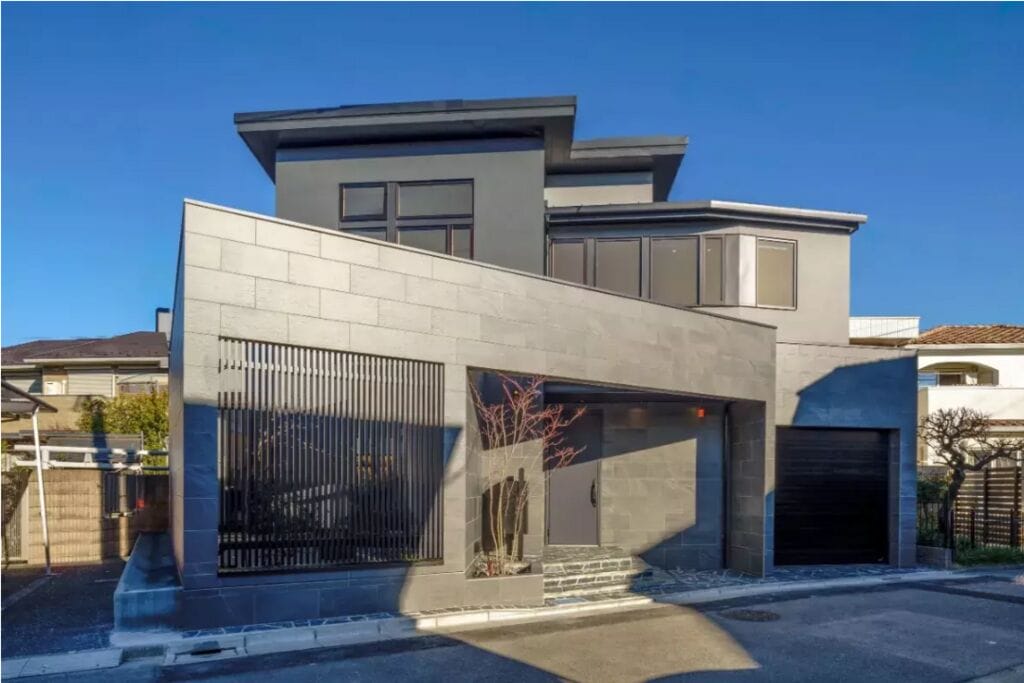
When investors and lifestyle seekers think about buying property abroad, destinations like Spain, Portugal, or the United States tend to dominate the conversation. Yet a quietly compelling opportunity has been building in East Asia—one that combines affordability, cultural richness, and long-term stability in a way few other markets can match. Japan’s real estate sector has caught the attention of savvy buyers worldwide, and for good reason. Whether you’re looking for a vacation retreat, a permanent residence, or an investment asset, exploring houses for sale in Japan has never made more sense than it does right now.
A Market Unlike Any Other
Japan’s property market operates on principles that defy the conventional wisdom of global real estate. In most major economies, land and housing values tend to climb steadily over time, pricing out new buyers and compressing yields for investors. Japan flips this script in fascinating ways. While central Tokyo commands prices comparable to London or New York, vast swathes of the country—from alpine Nagano to the seaside towns of Kyushu—offer properties at prices that would seem almost implausible to Western buyers. Single-family homes in regional cities routinely sell for under $150,000 USD, and in rural areas, traditional farmhouses known as kominka can be found for a fraction of that.
This affordability is driven partly by Japan’s demographic realities. With one of the world’s oldest populations and decades of sub-replacement birth rates, many rural towns face shrinking demand. The result is an unusual “buyer’s market” in large parts of the country—a rare condition that creates exceptional entry points for international buyers willing to look beyond the major metropolitan areas.
Foreign Ownership: Simpler Than You Think
One of the most persistent misconceptions about Japanese real estate is that foreigners cannot own property there. This is simply not true. Japan imposes no restrictions on foreign nationals purchasing real estate. Unlike many other Asian countries that limit foreign land ownership or require joint ventures with local partners, Japan allows overseas buyers to hold a full freehold title to both land and buildings. The purchase process, while document-heavy, is straightforward when navigated with the help of a bilingual agent or specialist firm.
The legal clarity around ownership, combined with Japan’s robust rule of law and transparent property registry system, means that buyers enjoy strong protections. There are no hidden claims, squatter issues, or murky title histories of the sort that can complicate purchases in emerging markets. What you buy is clearly yours, and the documentation supports that unambiguously.
The Yen Advantage
Currency dynamics have added another layer of appeal for international buyers in recent years. The Japanese yen has experienced notable weakness against the US dollar, euro, and British pound, effectively offering a purchasing power discount for foreign buyers converting their home currency. For American buyers in particular, this has translated to a meaningful reduction in the real-cost entry price for Japanese properties—amplifying the already-compelling affordability story.
Of course, currency markets fluctuate, and no one should purchase property purely based on exchange rate arbitrage. But for buyers who would have considered Japan regardless, the current rate environment makes the timing notably attractive.
What Types of Properties Are Available?
The Japanese residential property market offers a remarkable variety. In urban centers like Tokyo, Osaka, and Kyoto, buyers find modern condominiums, compact townhouses, and traditional machiya (wooden townhouses). These urban properties often command premium prices but offer excellent rental yields thanks to Japan’s well-developed short-term rental market and consistent domestic demand.
Outside the cities, the options become even more intriguing. Kominka farmhouses—centuries-old timber-framed structures with sweeping thatched or tiled roofs—represent a unique opportunity to own a piece of living Japanese history. Many of these properties come with substantial land, outbuildings, and garden space. Some local governments, eager to revitalize depopulating rural communities, even offer grants and subsidies to buyers willing to renovate and inhabit these homes.
Ski resort towns such as Niseko in Hokkaido have also attracted international attention, with luxury chalets and slope-side apartments appealing to buyers seeking both lifestyle value and rental income during Japan’s legendary powder-snow winters.
DEEPER DIVE: Read all the Ranking Arizona Top 10 lists here
INDUSTRY INSIGHTS: Want more news like this? Get our free newsletter here
Lifestyle and Cultural Value
Beyond the financial calculus, Japan offers an unmatched quality of life. It consistently ranks among the world’s safest countries, with exceptionally low violent crime rates and a culture of civic conscientiousness that keeps public spaces immaculately maintained. The food culture is second to none—Japan has more Michelin-starred restaurants than any other country on earth—and daily life benefits from extraordinary infrastructure, from the punctuality of the Shinkansen bullet train to the reliability of utilities.
For those drawn to nature, Japan’s landscape is extraordinarily varied. Alpine ranges, volcanic hot springs, subtropical coastlines, ancient cedar forests, and cherry blossom-lined riverbanks all exist within a relatively compact archipelago. Owning a home here means living inside one of the world’s most visually and culturally layered environments.
Practical Considerations for Buyers
Any serious buyer should be aware of a few important factors. First, many older Japanese buildings were constructed before the country’s landmark 1981 earthquake safety reforms and may require structural upgrades to meet modern standards. A qualified building inspection is essential. Second, property taxes in Japan are generally modest by international standards, but ongoing maintenance costs—particularly for older wooden structures—should be factored into financial planning.
Third, while foreign ownership is legally unrestricted, obtaining a Japanese mortgage as a non-resident can be challenging. Most international buyers either pay in cash or arrange financing through institutions in their home country. Working with a specialist real estate firm that handles international clients can help navigate these complexities efficiently.
The Right Time to Explore Japan’s Property Market
Japan’s real estate market sits at an interesting inflection point. International interest is growing, the yen remains favorable for foreign buyers, and a wide inventory of properties—from city-center apartments to countryside retreats—continues to offer genuine value. Whether you are a first-time foreign buyer curious about the process or an experienced investor diversifying into a stable, rule-of-law jurisdiction, the case for Japan is compelling.
The best approach is to start browsing with a specialist who understands both the local market and the needs of international clients. Exploring houses for sale in Japan through a dedicated platform gives you access to curated listings, transparent pricing, and the expert guidance needed to make a confident, well-informed purchase. Japan has been one of the world’s best-kept real estate secrets for too long—and for those who move early, the rewards are likely to be substantial.