Over the past decade, timber cladding has moved from a niche architectural material to a widely adopted façade solution across residential and commercial buildings. Architects, developers, and planners increasingly specify timber not only for aesthetic reasons but also for performance, sustainability, and regulatory advantages. As construction sectors across Europe and the UK look for lower-carbon building solutions, timber façades have become an attractive option for modern architecture.
Timber offers a rare combination of natural appearance, structural versatility, and environmental benefits. Compared with conventional façade materials such as aluminium panels, fibre cement boards, or synthetic composites, timber cladding provides both visual warmth and measurable sustainability advantages. When used correctly within ventilated rainscreen systems, timber façades can deliver long service life, moisture stability, and reliable weather resistance.
Architectural trends have also played a significant role in timber’s resurgence. Contemporary buildings increasingly favour natural materials, textured façades, and contrasting surfaces that create depth and shadow. Timber cladding allows architects to achieve these effects while maintaining a clean and modern architectural language.
Timber Façade Systems in Contemporary Construction
Modern timber cladding is rarely installed as a simple decorative layer. In most contemporary projects it forms part of a ventilated façade system designed to protect the structural wall while allowing airflow behind the cladding boards. This approach, often described as rainscreen cladding, separates the outer timber layer from the weatherproof barrier, improving moisture control and overall durability.
Within these systems architects can choose between a wide range of board profiles, installation orientations, and timber species. Vertical batten façades are often used to emphasise height and rhythm in modern buildings, while horizontal shadow-gap boards create strong linear patterns that work well on large elevations.
Because these systems involve multiple layers—battens, membranes, fixings, and cladding boards—designers frequently evaluate the full range of timber façade options before selecting the final solution. A detailed overview of how different species, profiles, and installation systems are used in contemporary construction can be found in timber façade systems used in modern architecture.
Understanding these systems early in the design stage helps architects balance appearance, durability, and maintenance expectations for the finished façade.
Sustainability and Environmental Advantages
Timber cladding is widely recognised as one of the most environmentally responsible façade materials available to architects today. Unlike steel, aluminium, or cement-based panels, timber is a renewable resource that stores carbon throughout its life cycle.
Responsibly sourced timber products can significantly reduce the embodied carbon of a building envelope. Many architects are now prioritising timber façades specifically because they contribute to sustainable building targets and environmental certification frameworks such as BREEAM.
In addition to carbon storage benefits, timber cladding systems also integrate well with high-performance insulation and ventilated façade designs. These systems can improve thermal performance while maintaining breathable wall construction, which is particularly important in climates with fluctuating humidity levels.
Another advantage is that timber façades age naturally. Instead of deteriorating abruptly, timber typically weathers gradually, developing surface character over time while maintaining structural integrity when installed correctly.
Durability and Weather Performance
Durability is one of the most important considerations when selecting any façade material. Timber cladding performs particularly well when combined with proper detailing and modern installation techniques.
Ventilated cavities behind the cladding boards allow airflow that prevents trapped moisture, reducing the risk of decay. Stainless steel fixings and correctly spaced battens also contribute to long-term stability by allowing the timber to expand and contract naturally.
Thermally modified timber products have further improved the durability of timber façades. During the thermal modification process, timber is heated to high temperatures in controlled conditions. This process alters the cellular structure of the wood, reducing its ability to absorb moisture and significantly improving dimensional stability.
Because of these characteristics, many architects now specify thermowood cladding for exterior applications for projects where long-term stability and minimal maintenance are priorities. Thermally modified timber can maintain its appearance and structural performance even in demanding climates with significant seasonal humidity changes.
Fire Performance and Building Regulations
Fire safety has become an increasingly important consideration in façade design, particularly following updates to building regulations across the UK and Europe. Architects must now carefully evaluate the fire performance of external cladding systems, especially for multi-storey buildings and public facilities.
Timber cladding systems can be engineered to meet strict fire performance requirements when appropriate treatments and installation methods are used. Fire-retardant treatments and tested façade assemblies can help timber achieve classifications that meet regulatory standards while maintaining the natural appearance of the material.
For many architects, the key is integrating fire-rated timber solutions within a properly designed façade system that includes compliant insulation, cavity barriers, and installation methods. When these elements are considered together during the design stage, timber façades can successfully meet safety standards while preserving architectural intent.
Design Flexibility in Modern Architecture
One of the strongest advantages of timber cladding is the design flexibility it offers. Timber boards can be installed vertically, horizontally, or in more complex patterns depending on the architectural concept. This allows designers to shape the visual rhythm of a building while introducing natural textures that contrast with materials such as glass, steel, or brick.
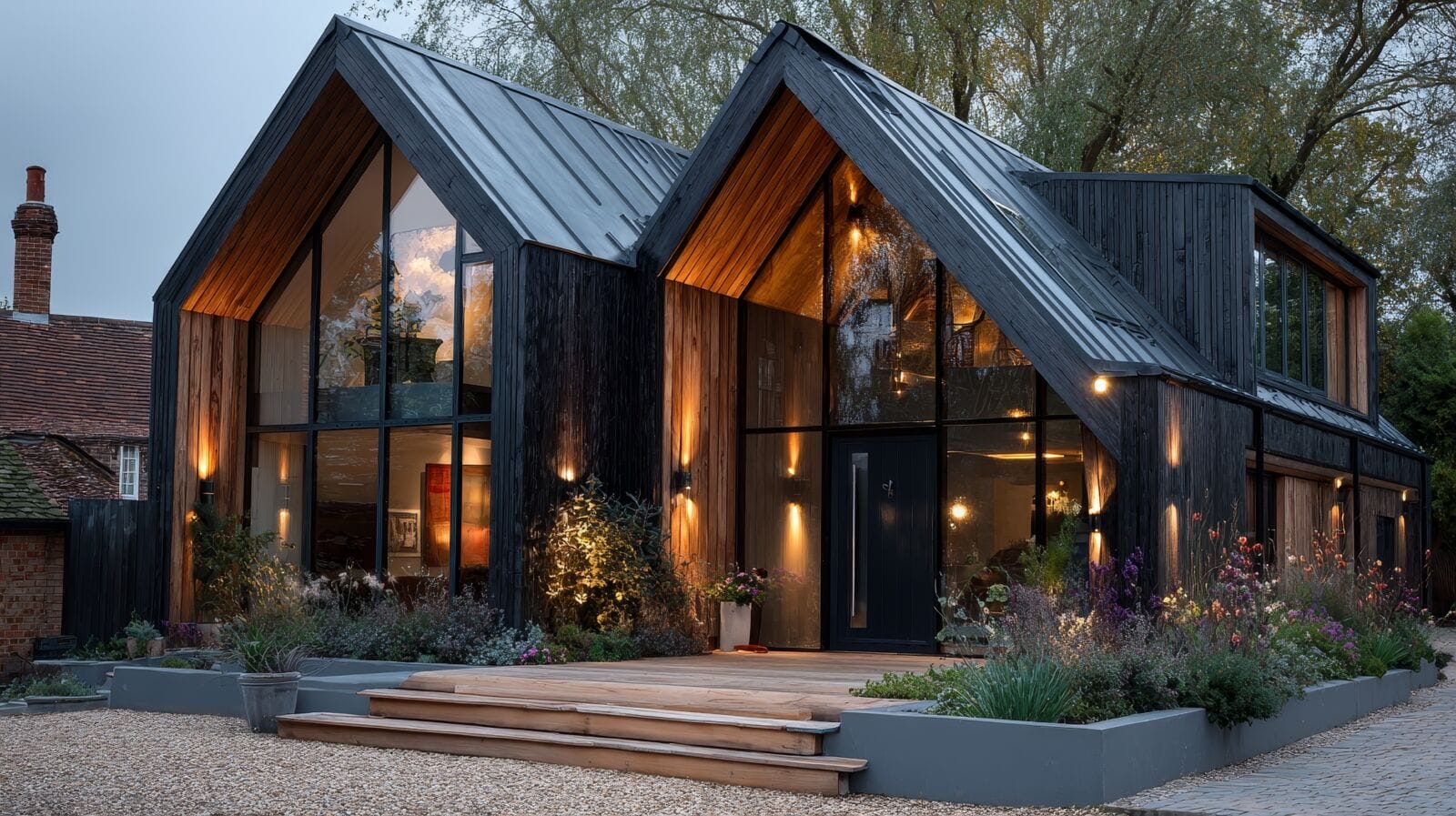
Timber façades also allow architects to combine different finishes within a single project. Some developments incorporate natural timber alongside darker finishes such as charred timber, creating strong visual contrast across building elevations.
Prefabrication techniques are also making timber façades easier to install on modern projects. Factory-assembled cladding panels can reduce construction time on site while improving consistency and installation accuracy.
These advantages have contributed to the growing popularity of timber cladding across residential developments, hospitality buildings, and contemporary commercial architecture.
The Future of Timber in Commercial Construction
The continued rise of sustainable construction practices is likely to increase the use of timber cladding in modern architecture. Developers and architects are increasingly seeking materials that combine environmental responsibility with strong aesthetic qualities.
Advances in timber engineering are also expanding the possibilities for timber-based building systems. Cross-laminated timber structures, hybrid façade systems, and thermally modified timber products are enabling architects to design larger and more ambitious timber buildings than ever before.
Timber cladding therefore represents more than a design trend. It reflects a broader shift toward construction methods that prioritise renewable materials, long-term durability, and environmental performance.
As cities continue to evolve and sustainability standards become more demanding, timber façades are likely to play an increasingly important role in shaping the architecture of the future.