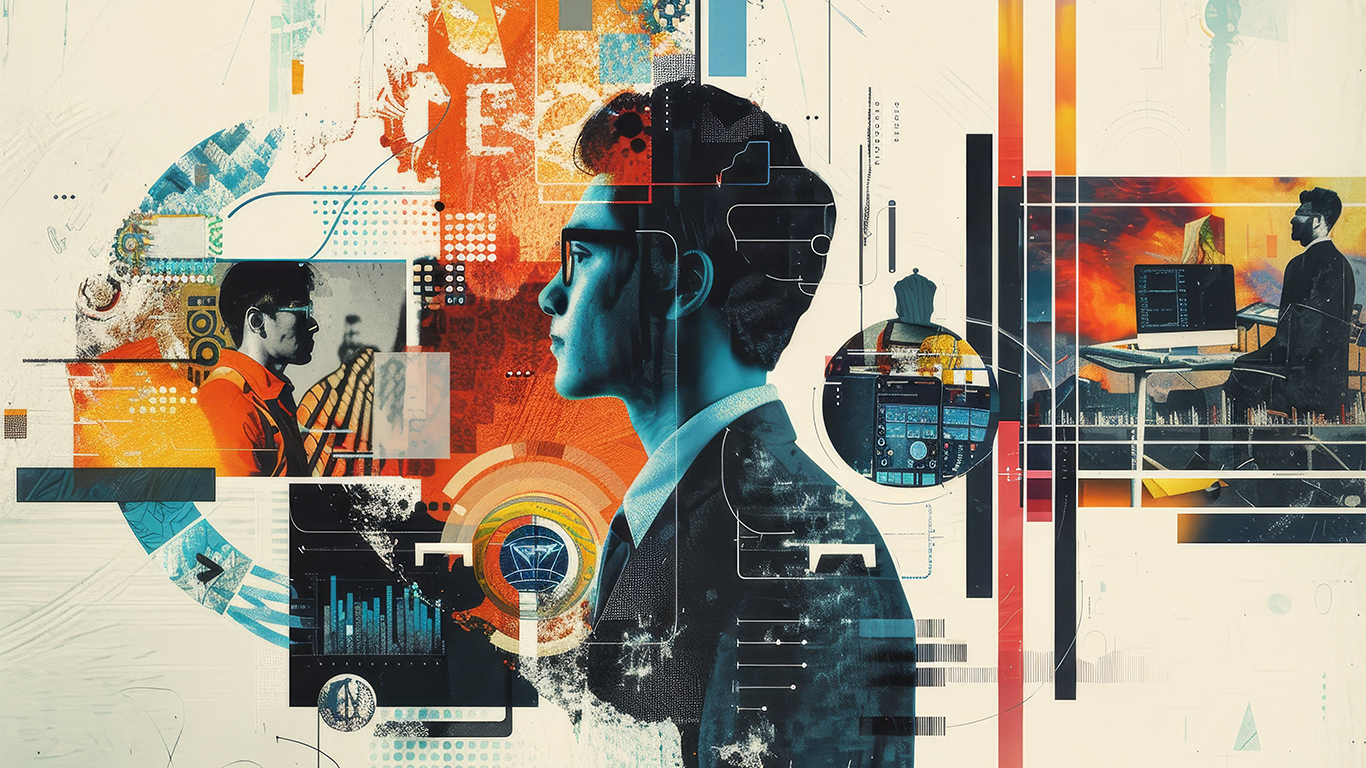
Storytelling has evolved far beyond traditional text-based narratives. Modern audiences expect rich, engaging content that combines multiple media formats to create immersive experiences. Whether you’re a content creator, marketer, or journalist, mastering multimedia storytelling is crucial for capturing and maintaining your audience’s attention in an increasingly crowded media environment.
1. Choose the Right Medium for Your Message
Different types of content work better with specific media formats. Video excels at demonstrating processes or conveying emotion, while infographics are perfect for presenting data and statistics. Audio works well for intimate, personal stories or when your audience is multitasking. Consider your story’s core message and select the medium that will communicate it most effectively to your target audience.
2. Start with a Strong Hook
Your opening moments are critical in multimedia storytelling. Whether it’s a compelling visual, an intriguing question, or a surprising statistic, you need to grab attention immediately. In video content, the first 15 seconds determine whether viewers will continue watching. Create a hook that promises value and makes your audience want to know more about what comes next.
3. Maintain Consistent Visual Branding
Visual consistency helps build trust and recognition across all your multimedia content. Develop a cohesive color palette, typography, and design style that reflects your brand or message. This consistency should extend across all platforms and media types, from social media graphics to video thumbnails to podcast cover art.
MORE NEWS: Rediscover Tempe with your best summer staycation yet
INDUSTRY INSIGHTS: Want more news like this? Get our free newsletter here
4. Layer Information Strategically
Effective multimedia storytelling involves careful information architecture. Don’t overwhelm your audience by presenting everything at once. Instead, reveal information progressively, building complexity as your story unfolds. Use visual hierarchy to guide attention and ensure that supporting elements enhance rather than distract from your main narrative.
5. Invest in Formal Training
While natural talent and experimentation are valuable, structured education can accelerate your multimedia storytelling skills significantly. Consider enrolling in specialized programs or pursuing an online journalism degree that covers digital media production, narrative techniques, and emerging technologies. Formal training provides systematic knowledge of industry standards, ethical considerations, and technical proficiency that self-taught creators often miss. Many programs also offer networking opportunities and access to professional-grade equipment and software.
6. Include Interactive Elements
Modern audiences expect to participate in stories rather than passively consume them. Incorporate polls, quizzes, clickable hotspots, or calls-to-action that encourage engagement. Interactive elements not only boost engagement metrics but also help you gather valuable data about your audience’s preferences and behaviors.
7. Test and Iterate Based on Performance
Multimedia storytelling is both an art and a science. Use analytics tools to track how different elements of your content perform. Pay attention to drop-off points in videos, click-through rates on interactive elements, and overall engagement metrics. This data should inform your future content strategy and help you refine your storytelling techniques.
Mastering multimedia storytelling requires understanding how different media formats work together to create compelling narratives. By selecting appropriate mediums, crafting strong openings, maintaining visual consistency, and optimizing for various platforms, you can create content that resonates with modern audiences.