Mobile banking apps have become an essential part of advanced financial life. From reviewing account balances to transmitting funds, paying bills, and managing assets, users now expect to control almost every banking activity straight from their smartphones. Nevertheless, as convenience rises, so does danger. Cybercriminals constantly target mobile banking media because they manage sensitive financial and confidential data. For this reason, security is not an optional component in a mobile banking app; it is the basis. A single susceptibility can result in economic loss, identity theft, regulatory liabilities, and severe damage to consumer belief. To build a protected, dependable, and convenient mobile banking application, specific security elements are absolutely required. As dangers such as phishing, malware, data breaches, and illegitimate access continue to increase, providing potent security in mobile banking apps has become a vital priority for financial organizations and fintech organizations. To save users, maintain regulatory compliance, and build permanent trust, a mobile banking app must be designed with firm, multi-layered security measures. Must-have components for a secure mobile banking app in financial software development concentrate on powerful authentication, data encryption, fraud detection, and compliance to protect user data and transactions.
1. Strong User Authentication and Authorization:
Authentication is the foremost and most crucial layer of security in a mobile banking app. It provides that only fair users can access their accounts and perform transactions. Weak validation mechanisms are one of the most familiar causes of banking app breaches.
Key Components:
Multi-Factor Authentication:
- Combines two or more verification features
- Examples: password + one-time code, password + biometric.
Biometric Authentication:
- Fast and hard to copy.
- Fingerprint scans, facial recognition, or iris scanning.
Adaptive Authentication:
- Modifies the authentication level established on the hazard
A confident mobile banking app should execute multi-factor authentication rather than depending only on a user ID and password. MFA generally incorporates something the user knows, something the consumer has, and something the consumer is biometric data. This layered procedure particularly decreases the risk of illegitimate access, even if login certificates are compromised. Authorization is equally essential. After authentication, the app must precisely manage what actions a user is permitted to perform. Role-based access management provides that a consumer can only access components and data pertinent to their account kind. For instance, a common consumer should not have credentials for organizational functions or internal banking APIs. Robust authentication and approval systems secure statements from brute-force attacks, credential stuffing, and unauthorized requests.
Expert’s Insight:
“Multi-factor authentication (MFA), which combines passwords with additional verification methods such as biometrics or one-time codes, significantly strengthens mobile banking security by making unauthorized access far more difficult”.
2. Biometric Security:
Biometric authentication has evolved into a common expectation in advanced mobile banking apps. Components such as fingerprint scanning and facial recognition supply a strong combination of protection and benefit.
- Biometric Enrollment: The user reports their fingerprint, face, or iris using the device’s protected biometric hardware, providing that sensitive biometric data is reserved and controlled only by the functional system.
- Secure API Integration: The banking app incorporates with dedicated forum APIs such as Apple Face ID or Android Biometrics to certify the consumer without directly approaching or keeping biometric details.
- Authentication for Sensitive Actions: Biometrics are mandated for high-risk actions like login, fund transfers, delineation updates, or adding new inheritors to control unauthorized access.
- Risk-Based Verification: Additional biometric reviews are initiated when dubious behavior is noticed, such as login attempts from a new device or a remarkable place.
- Fallback and Control Measures: A protected option, like a PIN or password, is delivered if biometric authentication fails, along with retry limitations and robotic session timeouts to keep security.
A secure banking app should permit biometric authentication for login, marketing authorization, and sensitive activities such as modifying account information or adding unique recipients. Nevertheless, biometric data must never be stored on external servers; it should stay safely encrypted on the user’s appliance.
Table of Compliance, Backend & Device Security Features:
| Feature | Description | Importance |
| Device Integrity Checks | Detect rooted or jailbroken devices | Block access from Compromised devices |
| Regular security updates | Applies patches and fixes vulnerabilities | Defends against emerging threats |
| Secure API Integration | Protect severe communication using OAuth and tokens | Prevents date leakage |
| Activity Monitoring and Logging | Tracks login and system events | Supports security audits and investigations |
| Data privacy submission | Follows PCI DSS, GDPR, and banking laws | Ensure legal and regulatory adherence |
3. End-to-End Data Encryption:
Encryption is the backbone of mobile banking protection. A secure mobile banking app must protect data both in transit and at rest to control obstruction, interference, or unauthorized access.
- Implementation Steps:
1. Use Strong TLS Encryption:
- TLS 1.3 with powerful ciphers.
2. Encrypt Local Storage:
- Use OS-level encrypted storage.
3. Encrypt Sensitive Data:
- Social security numbers, account information, and confidential identification.
Data accumulated on the device or backend servers must also be encrypted using an industry-standard method such as AES-256. Even if an assailant acquires certificates to a database or device holding encrypted data stays illiterate without the correct decryption keys. Valid key administration is necessary. Encryption keys should be stored safely, rotated frequently, and never hardcoded into the application. By implementing end-to-end encryption, mobile banking apps can keep confidentiality, integrity, and believability.
Expert’s Insight:
End-to-end encryption ensures that sensitive information like user IDs, passwords, and transaction details remains protected from interception during transmission between the user’s device and the banking servers.
Source: http://www.apriorit.com/dev-blog/how-to-ensure-mobile-banking-app-security
4. Secure Session Management and Auto Logout:
Session management specifies how long a user stays logged into a mobile banking app and how their session is covered. Poor session management can expose users to severe dangers, particularly when devices are misplaced, stolen, or left unattended.
- Session Token Generation: The system develops encrypted, short-lived session tokens to securely determine the consumer during the app service.
- Inactivity Tracking: The app constantly observes user action and begins an inactivity timer when no activity is noticed.
- Automatic Logout: The consumer is automatically logged out after a described period of inactivity to prevent unauthorized access.
- Session Expiry & Renewal: Sessions expire after a fixed period and need re-authentication for persisted credentials.
- Multi-Device Session Control: Customers can consider and terminate active sessions across numerous devices.
Auto logout is a vital component that automatically completes a consumer session after a duration of inactivity. This controls illegitimate access if a user fails to log out or leaves the app. For high-risk actions, such as fund transfers or profile updates, the app should require re-authentication even within an enthusiastic session. Protected session administration provides ongoing protection without surrendering usability, hitting the right balance between protection and user comfort.
5. Real-Time Transaction Monitoring and Alerts:
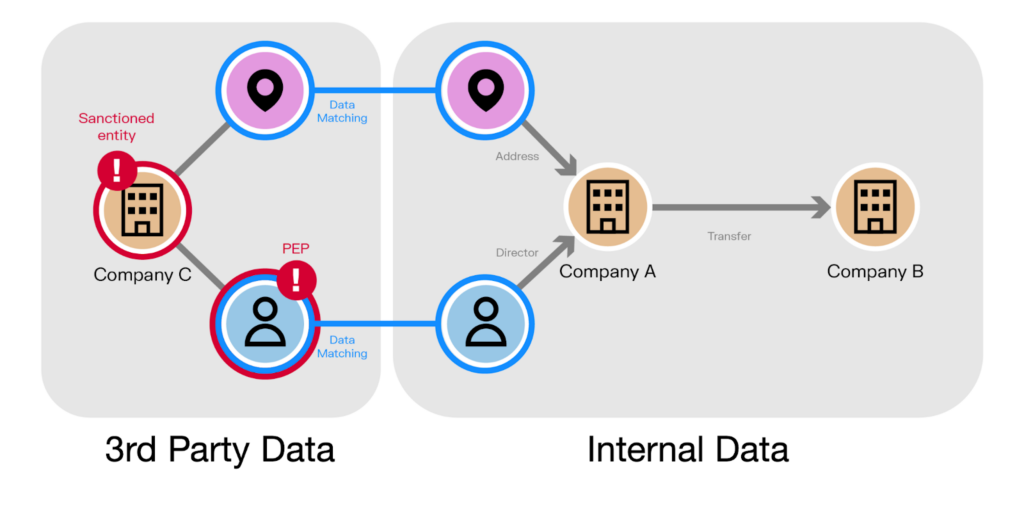
Fraud prevention is a major matter in mobile banking. Even with robust authentication, detractors may try to manipulate compromised appliances, social engineering strategies, or insider hazards. Real-time marketing monitoring plays a vital role in noticing and containing defrauding activity.
Core Abilities:
- Behavior analytics
- Instant security alerts
- Transaction monitoring
A secure mobile banking app should constantly examine transactions using given regulations and behavioral analysis. Distinctive patterns such as extensive transfers, sudden surroundings modifications, or abnormal spending patterns should trigger warnings or additional confirmation stages. Instant information via push warnings, SMS, or email keeps users notified about the account’s action. If a dubious transaction happens, consumers can instantly register it or freeze their accounts, minimizing potential harm.
Advantages:
- Builds customer trust
- Reduces loss
- Stops fraud faster
6. Secure API and Backend Protection:
Mobile banking apps depend laboriously on backend services and APIs to process transactions, recover account data, and transmit with other financial systems. If these APIs are not secured properly, attackers can bypass the app entirely and target backend systems directly.
Security Measures:
- Rate limiting
- Input validation & sanitization
- API authentication
A secure mobile banking app must use powerful API authentication instruments. All API terminations should verify input data to control and stop injection invasions and implement y8k08o=severe rate limitations to defend against brute-force endeavors. Backend servers should be substituted with firewalls, intrusion detection systems, and frequent protection inspections. Sensitive procedures must demand further verification and logging for attribution. Securing APIs and backend infrastructure ensures that the app remains flexible even if attackers try to manipulate server-side exposures.
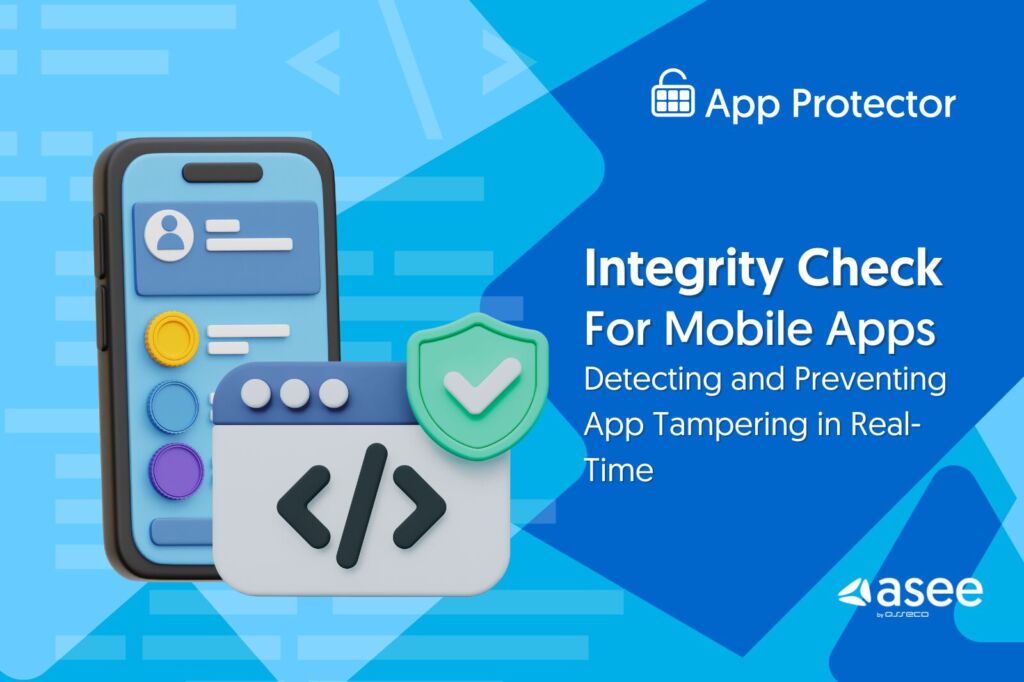
7. Device Binding and App Integrity Checks:
Device binding links a consumer account to a detailed mobile device, adding a coating of security. When a user logs in from a renewed or unknown appliance, the app should require additional confirmation before providing access.
- Outstanding Device Identification
- App Integrity Verification
- Controlled Access Enforcement
- Device Binding
- Root/Jailbreak Detection
- Continuous Integrity Monitoring
- Secure Device Attestation
App integrity examinations allow notice whether the application has been manipulated with or installed from an unreliable source. Procedures such as essence and jailbreak detection control the app from operating on settled devices, where attackers could stop data or handle business. Secure mobile banking apps should also confirm that they are operating the official performance disseminated through reliable app caches. This controls attackers from circulating fake or altered versions developed to steal customer credentials. Concurrently, device binding and integrity inspections significantly decrease the hazard of malware-based invasions and illegitimate access.
8. Observation, Audit Trails, and Secured Logging:
Security in mobile banking is not only about applied sciences, but it is also about adherence to financial constraints and industry measures. Audit paths and protected logging are necessary for tracking user motions, system modifications, and marketing records. These logs support banks in noticing behavior, examining incidents, and satisfying regulatory conditions. Logs must be saved from illegitimate access and tampering. Sensitive knowledge should never be held in plain-text logs. Appropriate monitoring and investigation of logs permit financial institutions to answer fast to security incidents and constantly enhance their security stance.
Best Practices & Final Tips:
- Encrypt all communication channels
- Keep users aware of risks and changes
- Never store sensitive data in simple text
- Prepare a response method
- Train your team in secure development
Conclusion:
Security is the cornerstone of any victorious mobile banking application. As cyber dangers persist in developing, banking apps must embrace a multi-layered protection method that saves users, data, and financial systems at every level. By executing these components carefully and consistently, banks and financial technology societies can provide a mobile banking experience that is not only suitable but also reliable, flexible, and future-ready.