Arizona’s retail scene moves fast, but one thing moves faster: the disappearance of cash. From corner coffee shops in Flagstaff to boutiques in Scottsdale, merchants are rethinking how money changes hands.
They’re swapping registers for sleek point-of-sale systems and teaching staff to handle digital wallets as naturally as credit cards.
Still, not everyone is ready to tap and go. Older customers and unbanked residents remain loyal to paper bills, creating a tension between convenience and inclusion. Here’s a look at how retailers are coping with this new era.
LOCAL NEWS: Phoenix housing market outpaces national trends again in 2025
INDUSTRY INSIGHTS: Want more news like this? Get our free newsletter here
Generational Attitudes Toward Cash and Card Use in Arizona
Younger shoppers in Arizona now treat digital payments as second nature. Many rely on mobile wallets or apps that link directly to their bank accounts. For them, speed and security matter more than physical cash.
Older generations see it differently. Some prefer the familiarity of counting bills or tipping with real dollars. A study from Empower found that 38% of people trust cash above digital payment options. You can learn more on empower.com to get insights into how these patterns shape spending habits.
For retailers, understanding these differences is crucial. Stores that offer flexible options, like contactless terminals alongside cash drawers, create a smoother experience for everyone. This mix keeps long-time customers comfortable while meeting the expectations of younger, tech-focused buyers.
Upgrading Point-of-Sale Systems for a Cashless Market
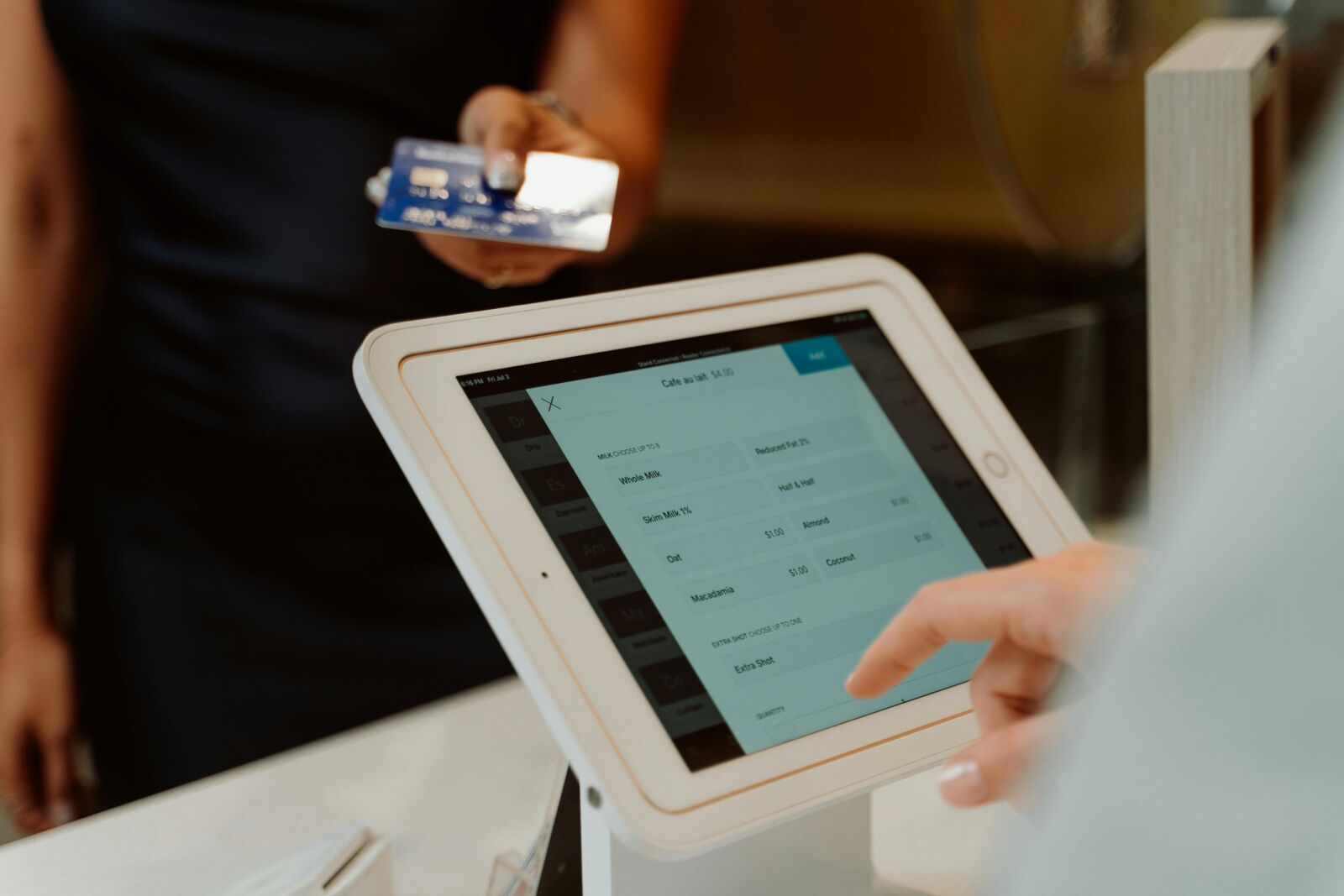
Across Arizona, small and mid-sized retailers are replacing outdated registers with modern point-of-sale systems that process mobile payments, digital wallets, and chip cards in seconds. Many use cloud-based software that syncs sales data instantly, cutting the time spent on bookkeeping and inventory checks.
Yet, cost remains a challenge. Independent businesses weigh monthly subscription fees and hardware expenses against potential gains in speed and accuracy. Those that succeed focus on scalable systems, choosing tools that fit their growth rather than chasing flashy features. This practical approach keeps technology serving the business, not the other way around.
Training Staff to Build Confidence in Digital Transactions
Only 14% of transactions involved cash last year, so the move toward cashless transactions demands more than new equipment. It requires confident, informed staff who can guide customers through unfamiliar payment methods. Many Arizona retailers now hold short, hands-on training sessions where employees practice scanning QR codes, managing digital tips, and troubleshooting card declines.
It’s the same thing as rehearsing a play before opening night. Everyone learns their part, so the process runs smoothly when the store gets busy. Staff who understand the system reduce checkout stress for both sides of the counter.
Some businesses even reward employees for suggesting improvements to the payment flow, encouraging ownership of the customer experience. This sense of empowerment matters, especially when older shoppers hesitate to trust digital tools. A friendly, well-trained employee can turn skepticism into comfort, bridging the gap between tradition and technology.
Educating Customers About Safe and Simple Payment Options
Customers trust what they understand. Arizona retailers that explain how digital and mobile payments work often see fewer disputes and faster adoption. Some use countertop signs that outline step-by-step payment options. Others send brief text receipts that link to privacy details or loyalty programs.
It’s like learning to use a new vending machine. Once someone sees how to tap or scan, hesitation fades. Clear explanations reduce confusion and show respect for customers’ pace.
Retailers also find success in hosting quick demos during slow hours. Over time, customer education becomes a quiet form of marketing. It signals that the business values clarity and transparency, not just convenience, and that each transaction is an opportunity to build trust.
Including Unbanked Residents in the Digital Shift
While digital payments dominate, Arizona still has thousands of residents without bank accounts or smartphones. Nationally, 4% of people are unbanked, so there’s a sizable slice of the population for which cash is king.
Retailers who ignore this group risk losing loyal customers. Some small grocers and diners address the gap with hybrid systems that accept cash deposits on prepaid cards, allowing unbanked shoppers to pay digitally without a traditional bank account.
It’s the same thing as offering a bridge over a river. The goal is access, not exclusion. Businesses that build these bridges strengthen their communities and widen their customer base.
Community partnerships also help. Many of Arizona’s credit unions and nonprofit groups run financial literacy pop-ups in retail spaces, teaching people how to manage digital accounts safely. Retailers benefit too, since educated customers spend with more confidence. Inclusive payment strategies prove that progress in technology can still honor the realities of everyday life, ensuring no one is left behind in the cashless transition.
The Last Word
Arizona’s path to a cashless economy shows that progress and inclusion can go hand in hand. Retailers adapt, but they do so with care.
When businesses pair technology with empathy, every transaction becomes more than a payment. It becomes a sign of trust, connection, and shared understanding in a changing marketplace.