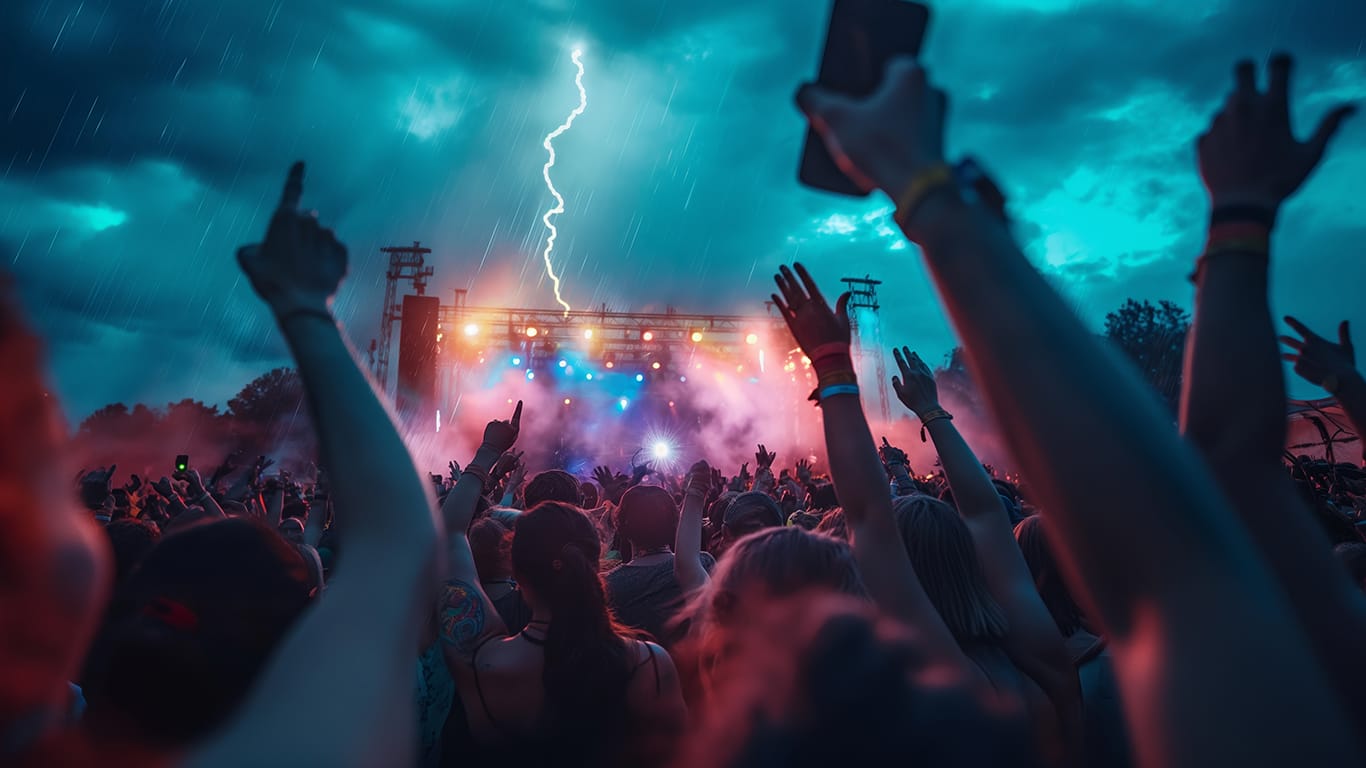
Thousands of people attended a major outdoor concert Sunday night at a venue that actively promoted rideshare. When a violent monsoon stopped the performance, patrons were instructed to shelter in their vehicles.
For those who arrived by rideshare, however, the instruction raises an obvious question: Where were they supposed to go?
DEEPER DIVE: How the revamped Opportunity Zones will help rural regions
READ MORE: Phoenix industrial market ranks No. 7 in nation
Phoenix requires large outdoor venues to plan for weather emergencies, evacuation, event suspension and cancellation. But its published building and fire codes do not expressly require amphitheaters to provide a protective option for patrons without vehicles. That is a preventable gap in the city’s safety requirements.

The Arizona Legislature should establish a statewide safety standard for large open-air assembly venues. As a condition of permitting, local authorities should require each venue above a defined capacity to demonstrate how it will protect patrons who arrive without private vehicles. Available shelter capacity should reflect reasonably anticipated rideshare, transit and pedestrian attendance.
Sending drivers to their cars was appropriate. The National Weather Service recognizes a hard-topped vehicle as protection from lightning when a substantial enclosed building is unavailable. But what about rideshare users? Were they expected to hope another driver would brave a wall of dust or violent wind, rain and lightning to reach a crowded venue?
Concertgoers bear responsibility for their own safety, but paying the ticket price should include a safe evacuation environment during a foreseeable emergency. No injury to a rideshare passenger has been reported, and the performance eventually resumed. That is fortunate.
Venues routinely promote rideshare to ease congestion and reduce impaired driving. Their emergency plans should account for the patrons they encourage to arrive without cars.
Protection also requires clear communication. Event websites, ticket information and emergency announcements should tell rideshare passengers where to go during severe weather. Plans should include accessible routes and assistance for patrons with limited mobility. Asking people to summon another rideshare after dangerous weather arrives shifts the venue’s emergency-planning responsibility back onto the patron.
The legal system usually enters the picture after someone has been injured. Sensible public-safety rules should protect people before that happens—and before another Arizona storm exposes the same gap with a far worse outcome.
Author: Marc Lamber is a Martindale-Hubbell AV Preeminent-rated trial attorney and public safety advocate. A director at the Am Law 200 firm Fennemore in Phoenix, Lamber chairs the firm’s Lamber Goodnow Personal Injury Practice Group and has been featured in national and local media, including USA Today, The Washington Post, ABC News, The Wall Street Journal, Forbes, the ABA Journal, and many others. Marc Lamber’s photo is courtesy of Fennemore.