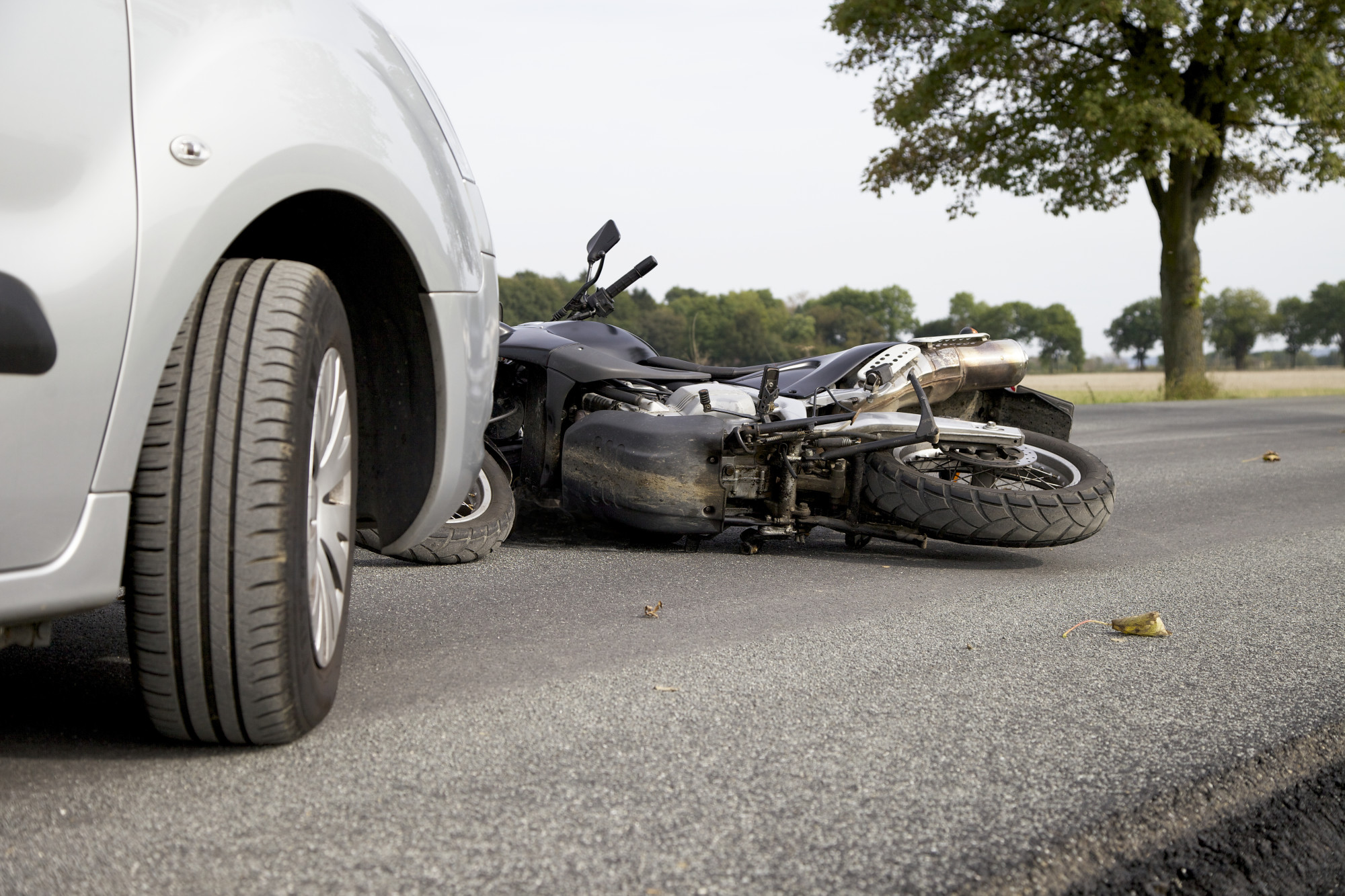
Motorcycle rear-end collisions in California often happen in seconds but leave lasting damage. Riders have less protection, so even a low-speed impact can cause serious injury. Salamati Law Firm often evaluates these crashes with a tighter focus on evidence and biomechanics. That approach can feel more rider centered than practices that treat rear end cases as simple insurance math. Knowing why these crashes happen helps riders stay safer and tell their story clearly. And it gives families a head start on gathering the right evidence.
Driver Inattention And Following Distance
Most of the time, the driver behind was just not paying attention. That is really the root of it. A distracted driver may look down and miss slowing traffic ahead. Tailgating is also widespread on congested California roads, leaving no safe stopping space. Riders seeking legal help after a motorcycle rear-end crash usually need proof that the driver had time to stop. Things like phone records, dash cam footage, and witness statements can show exactly what happened. Even when the impact seems minor, the rider can be thrown and injured.
Speed Changes And Traffic Flow
California traffic can shift from fast to stopped with little warning. Drivers who speed or fail to pay attention often don’t notice a rider slowing down for traffic. Motorcycles can decelerate quickly, especially when the rider rolls off the throttle. Some drivers misjudge that change because they expect a car sized brake pattern. This mismatch can trigger rear-end collisions at intersections, on freeways, and in stop-and-go traffic. Photos from the scene and a solid timeline can show the rider was doing everything right.
Visibility Issues And Road Conditions
Motorcycles are smaller and can be harder to notice in mirrors. Poor lighting, glare, and nighttime driving can reduce a driver’s ability to perceive distance. Rain can lengthen stopping distance and hide lane markings, increasing surprise stops. Uneven pavement, gravel, or potholes can force a rider to slow suddenly for safety. A driver following too closely may hit a rider even when the rider did everything right. Photos of the road and weather conditions can help show who was really at fault.
Impairment And Aggressive Driving
Alcohol, drugs, and fatigue slow reaction time and hurt judgment. An impaired driver may not register a motorcycle until the final moment. Aggressive driving also plays a role, especially when a driver tries to intimidate a rider. Sudden lane changes, speeding up to close a gap, or refusing to yield can end in a rear impact. A crash report is a good start, but it does not tell the whole story. Video footage, witness accounts, and medical records can fill in the gaps left by the report.
Insurance Disputes And Shared Fault Arguments
In most rear-end crashes, people generally assume the driver in the back was at fault. Still, insurers may argue the rider stopped abruptly or had faulty lights. They may also claim the rider changed lanes unsafely right before the impact. Those arguments can lower the payout even when they are not true. But skid marks, damage evidence, and event data can push back against a shaky story. Getting medical care early also helps link the crash directly to the rider’s injuries.
Most rear-end motorcycle crashes in California are caused by distracted drivers, tailgating, or speeding. Bad road conditions, low visibility, and reckless behavior can also play a big role. Because riders are vulnerable, the injuries and costs can rise quickly after impact. Good evidence shows exactly what the rider did and where the driver went wrong. Solid records also make it harder for blame to be unfairly shifted onto the rider. Understanding what caused the crash helps riders protect themselves and know what to do next.