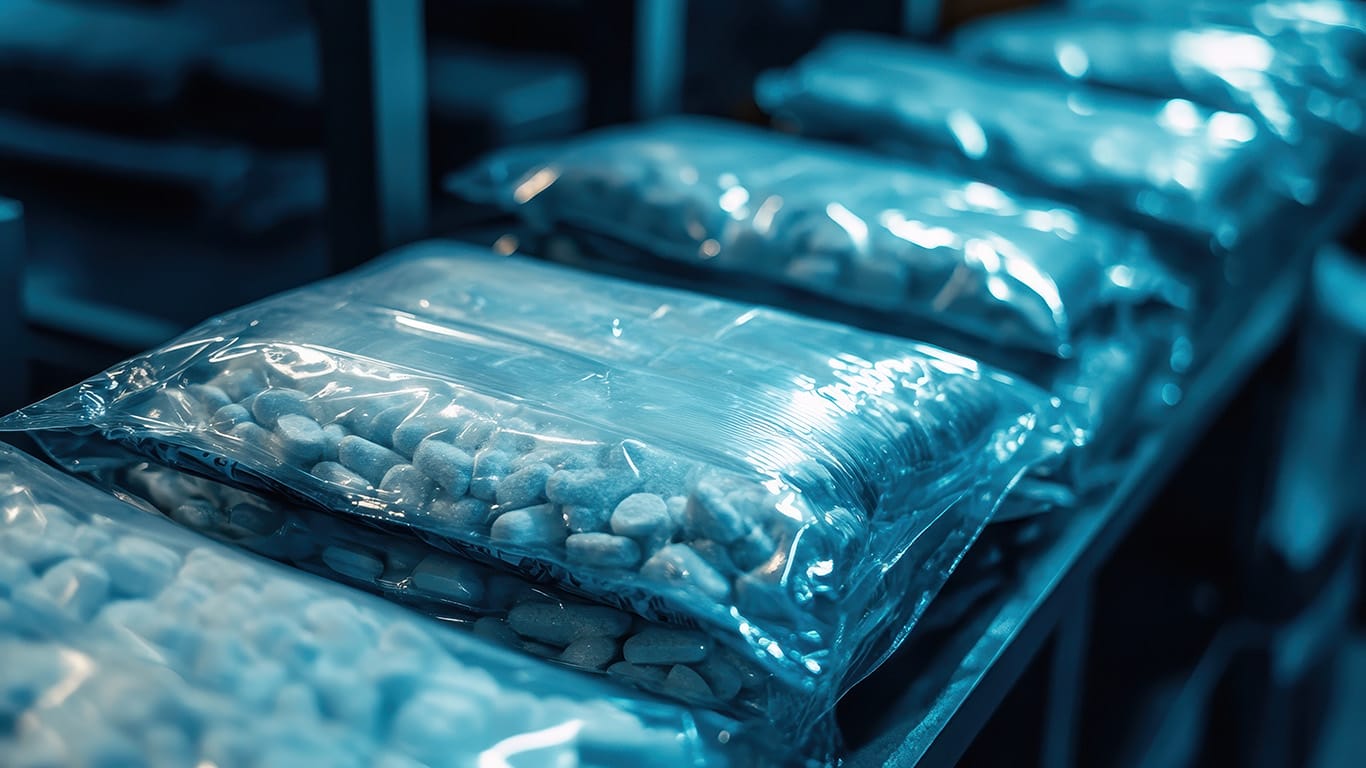
Arizona’s opioid death toll has finally stopped climbing, but health officials say the fentanyl-driven crisis that kills about 1,900 a year is only changing shape —not going away.
State data show 1,927 opioid overdose deaths in 2022 and 1,928 in 2023, essentially a plateau after a decade of increases. Nearly all of the 2022 deaths, more than 97%, involved fentanyl or other synthetic opioids, according to the Arizona Department of Health Services.
ECONOMIC NEWS: How TSMC Arizona changes the state’s economic landscape
LEARN MORE: AZ Big Podcast: Rose Castanares of TSMC talks building a massive workforce
“The opioid overdose data serves as a sobering reminder of the challenges faced by Arizona in combating opioid deaths and overdoses,” said Celia Nabor, assistant director for prevention services at the department.
The plateau comes as Arizona has poured resources into prevention. The state reports opioid prescriptions fell about 23% between 2019 and 2022, while naloxone, the overdose reversal drug often sold as Narcan, became easier to get through pharmacies and community programs.
Arizona’s Naloxone Leave Behind program pushes that effort into homes. First responders can administer naloxone on overdose calls and leave extra doses with patients or families. In 2022, first responders reported more than 9,600 suspected opioid overdoses, and naloxone was used in more than 80% of nonfatal cases.
“First responders often are in the best positions to prevent opioid-related deaths by administering naloxone and recognizing those who may be at risk,” said Rachel Garcia, chief of the state Bureau of EMS and Trauma System.
At the same time, the crisis is being reshaped by stimulants. A March 2024 presentation from Arizona’s chief medical officer for public health reported that about three-quarters of recent overdose deaths involved at least one opioid, and 6 in 10 involved at least one stimulant.
Illegally made fentanyl was the most common opioid in those deaths, and methamphetamine was the most common stimulant.
The fentanyl-meth mix makes overdoses harder to recognize and reverse. Fentanyl can stop breathing within minutes; meth can keep someone awake and agitated even as the body is failing. Naloxone works on opioids, not stimulants, and overdoses from counterfeit “M30” oxycodone pills often fentanyl-pressed into a familiar blue tablet can require multiple naloxone doses or prove fatal anyway.
Federal agents are still seizing those pills in bulk. In March, investigators in Arizona seized about 700,000 blue “M30” fentanyl pills hidden in roofing shingles at a Tucson home, in a trafficking case that showed how easily the tablets move through the state.
State leaders have tried to spell out the stakes, especially for young people.
“More than five people die every day from opioid overdoses in Arizona,” Attorney General Kris Mayes said in announcing a statewide student video contest on fentanyl awareness. “Fentanyl’s
potency and low cost mean it is often laced with other illicit or counterfeit drugs. We want every young person in Arizona to know how to protect their friends and themselves from fentanyl.”
The plateau leaves a tricky question: Are naloxone access and tighter prescribing finally bending the curve, or are rising stimulant co-use and polysubstance deaths hiding how dangerous the drug supply has become? A flat line at about 2,000 deaths a year still means roughly five Arizonans dying from opioid overdoses every day, each one a person with a family, a workplace, and a community left to absorb the loss.