
Managing a pest control team isn’t always simple. Techs are on the road, schedules shift fast, and customers expect quick responses. When companies start tightening how they manage people, time, and resources, everything runs smoother. Let’s explore realistic ways for pest control businesses to boost productivity and maintain accountability without adding headaches.
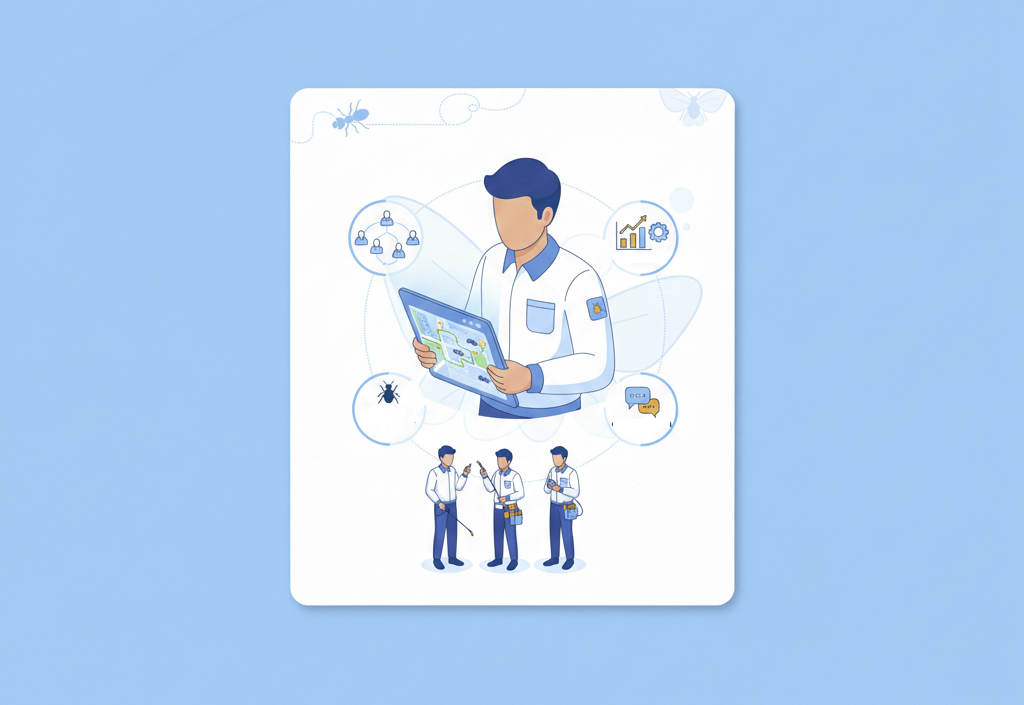
Why Workforce Management Matters More Than Ever
Pest control isn’t just about treatments. It’s about coordinating people and making sure each tech is where they need to be, with the right info, at the right time. As the industry grows, companies are discovering that operational efficiency depends on strong workforce systems.
According to research summarized by Market Growth Reports, the pest control sector is shifting rapidly toward digital tools that help streamline workflow. This push is driven by customers’ demand for faster service and by teams’ need for better ways to handle rising job volumes.
The National Pest Management Association has also highlighted staffing challenges and the increasing need for training in its workforce updates. In a recent piece published by NPMA, the organization points out how essential structured development is for keeping teams effective and engaged.
Building Stronger, More Efficient Field Teams
If you’re running a growing pest control company in Arizona, improving field productivity doesn’t always require big changes. Often, it’s about dialing in a few key areas that impact daily operations.
Smarter scheduling strategies
Good scheduling is the backbone of workforce management. It affects drive time, fuel use, job completion rates, and even customer happiness. When dispatchers can see all techs, tasks, and routes in one place, assigning jobs becomes more accurate and less rushed.
Real time communication with technicians
Techs shouldn’t have to stop everything to call the office. A simple communication loop helps them get updates fast. It also keeps everyone aligned when last minute cancellations or urgent jobs pop up.
Consistent accountability methods
You can only improve what you can measure. Clear expectations for arrival times, job check ins, and completion notes make it easier to understand performance trends and coach your team in a positive way.
- Quick route adjustments
- Faster office to field communication
- Better day to day visibility
These small shifts create major productivity gains without overwhelming your staff.
The Role of Technology in Workforce Optimization
Digital tools have become the go to solution for many service companies trying to operate more efficiently. But for pest control specifically, the right platform can directly improve field performance and accountability.
The good news is that software designed to manage pest control operations can help unify scheduling, routing, customer history, and reporting all in one place. When office teams aren’t juggling multiple apps or spreadsheets, they can focus more on customer service and technician support. Ideally you want a solution that rolls the most important features into one.
How better tools improve day to day operations
The real value of centralized software isn’t just convenience. It’s the accuracy and accountability that come with it. When every job is documented and every route is optimized automatically, techs don’t lose time figuring out their next move. Managers get simple dashboards that show progress and bottlenecks.
Creating a culture of accountability
Accountability shouldn’t feel like surveillance. It works best when techs see how structure helps them succeed. With clear schedules, mobile job details, and transparent metrics, everyone understands what good performance looks like.
Training, Retention, and Long Term Workforce Stability
Even the best systems won’t fix workforce issues if employees don’t feel supported. Ongoing training, including for company culture reinforcement, and feedback help techs stay confident, consistent, and safe.
NPMA’s workforce research emphasizes that long term growth depends on strong professional development programs. When companies invest in their people, retention naturally improves. This creates a stable, skilled team that customers trust over time.
Building trust through clarity
Clear directions and processes reduce confusion. Techs know what the company expects, managers know what the team is doing, and customers know they’ll get reliable service.
Why this all adds up
When everything from training to technology lines up, it becomes easier to scale without burning out your staff. Your techs work smarter, your managers stay informed, and your customers feel the difference.
Concluding the Pest Control Workforce Optimization Conversation
Workforce optimization isn’t about controlling every move. It’s about giving people the tools and structure they need to perform well.
A more efficient workforce isn’t just good for business. It creates happier teams and smoother days in the field. And when your operations run consistently well, your customers notice.