When you think of cleaning, you probably imagine scrubbing counters, vacuuming floors, or wiping up spills. But some cleaning tasks go far beyond what you can handle with a mop and a bottle of disinfectant. Biohazard cleanup falls into this category, and it’s not just about making a space look clean—it’s about protecting public health.
If you’re a property owner, business manager, or even just someone responsible for maintaining a safe space, it’s important to understand why biohazard cleanup matters and why it should never be treated like routine janitorial work. In fact, using professional services is often the only way to fully address the risks involved. For instance, certified cleanup teams such as biohazard cleanup specialists follow strict safety and decontamination protocols to prevent exposure to dangerous pathogens and ensure compliance with health regulations.
MORE NEWS: Phoenix bucket list: 25 things you must do
INDUSTRY INSIGHTS: Want more news like this? Get our free newsletter here
What makes biohazards dangerous
Biohazards include anything that can carry disease or harm human health. This can be blood, bodily fluids, chemical residues, mold, or even the aftermath of a crime or traumatic event. Each of these carries its own risks. For example, bloodborne pathogens like hepatitis B, hepatitis C, or HIV can survive outside the body for hours to days depending on conditions. Mold can trigger respiratory problems, allergies, and even long-term health issues.
The danger isn’t always visible. Just because a surface looks clean doesn’t mean it’s safe. Many pathogens are microscopic, and without proper cleaning methods, they can linger and spread. That’s why biohazard cleanup requires specialized training, personal protective equipment, and proper disposal methods.
Why you can’t just do it yourself
It might be tempting to handle a small spill yourself or try to clean up after an incident to save time and money. But even small mistakes can put you, your family, employees, or tenants at risk. Standard household cleaning products and methods often aren’t strong enough to remove all pathogens. Incorrect handling of contaminated materials can lead to accidental exposure or cross-contamination.
For example, a study from Forbes notes that improper cleaning and sanitization in commercial spaces can lead to higher rates of illness among employees and customers, highlighting the broader public health impact of incomplete cleaning. Read the full report here. Even though this focuses on workplaces, the principle applies anywhere pathogens might linger.
The broader public health perspective
Biohazard cleanup isn’t just about protecting one home or office—it’s about protecting the people around it. Contaminated environments can easily become sources of infection. In homes, it can affect your family. In commercial spaces, it can affect employees, customers, and the larger community. Left unchecked, biohazards can contribute to the spread of diseases or trigger serious health issues.
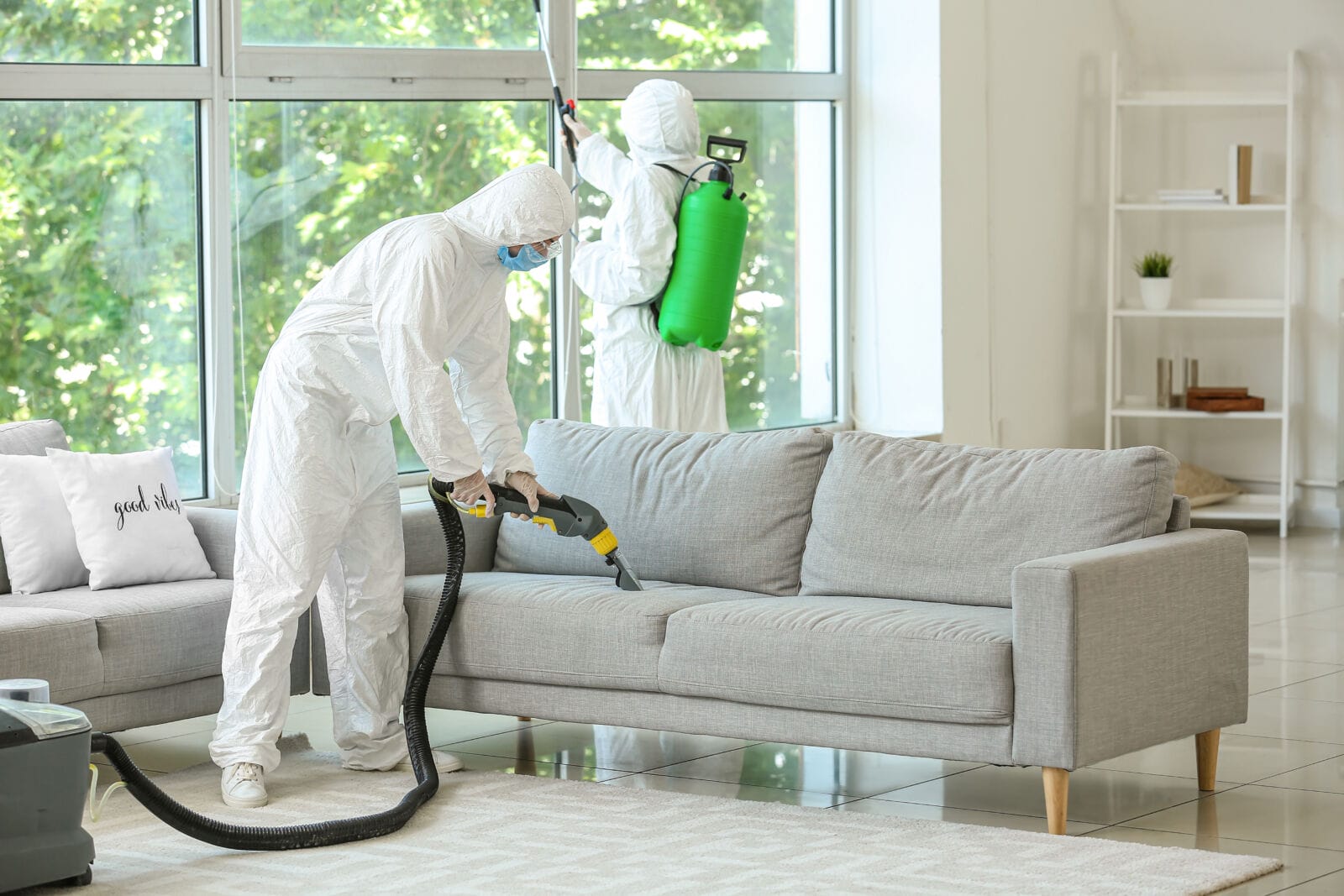
That’s why trained professionals approach every cleanup with public health in mind. They know how to assess the risk, use the right disinfectants, and safely remove hazardous materials. Their work reduces the chance of illness, helps maintain safe indoor air quality, and ensures that anyone entering the space afterward isn’t at risk.
Trade-offs and limitations
It’s important to acknowledge that professional biohazard cleanup isn’t cheap. The cost can be higher than standard cleaning, and sometimes it takes more time to ensure the area is fully remediated. However, this cost is a trade-off for safety. Attempting to cut corners can put lives at risk and potentially lead to liability issues if someone becomes ill after an incomplete cleanup.
Another limitation is access. Not every area has trained biohazard cleanup professionals nearby. That can make response times longer, which is another reason to plan ahead. Knowing a local, certified service in advance can save you time and prevent exposure during emergencies.
How to protect yourself and your community
If you’re responsible for a property or workplace, here are some simple ways to manage biohazard risks:
- Know when to call a professional. Any situation involving blood, bodily fluids, or chemical contamination should be handled by trained specialists.
- Ensure proper disposal. Biohazardous waste needs to be disposed of according to local regulations. Improper disposal can endanger sanitation workers and the community.
- Use certified services. Check that the cleanup team follows OSHA, EPA, or CDC guidelines. Certification ensures they are trained and compliant.
- Educate yourself and staff. Knowing the risks and proper safety practices can prevent accidental exposure.
Conclusion
Biohazard cleanup is more than a cleaning task—it’s a public health responsibility. The risks of improper handling can affect not only you but also the people around you. Professional, certified cleanup services protect your health, maintain a safe environment, and reduce liability.
By treating biohazard cleanup with the seriousness it deserves, you’re not just keeping a space clean—you’re contributing to the safety and wellbeing of your community. The next time you face a situation that involves potential biohazards, remember that the right approach is about protection, not just appearance.