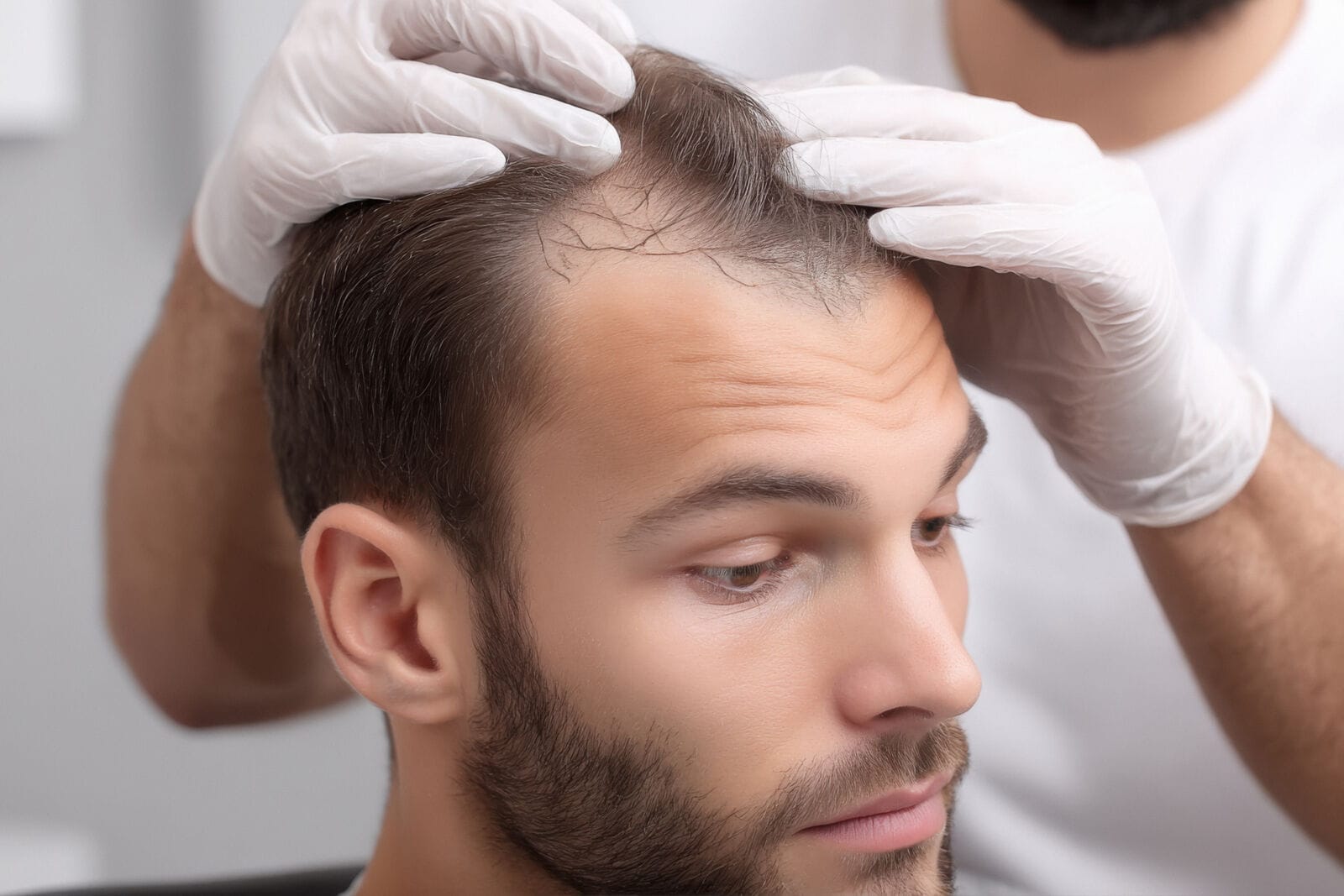
Hair transplantation has become one of the most requested aesthetic procedures worldwide. Turkey alone performs hundreds of thousands of hair transplant surgeries each year, attracting patients from the United States, Europe, and the Middle East. Yet despite advances in tools and techniques, outcomes still vary widely.
According to Hazem Altal, variation rarely comes down to technology alone. Instead, it often reflects how well a procedure is planned for the individual patient.
Hair restoration is not a standardized cosmetic service. It is a medical procedure shaped by biology, anatomy, and long-term progression. Personalized planning, not technique selection or graft count, is what separates consistent outcomes from disappointing ones.

Why Hair Restoration Cannot Be One-Size-Fits-All
Hair loss presents differently in every patient. Age, genetics, donor density, scalp elasticity, hair caliber, curl pattern, and future hair loss risk all influence surgical decisions. Two patients with similar recession patterns on paper may require entirely different treatment strategies.
Standardized approaches tend to focus on numbers. How many grafts. How many hours. Which technique? While these factors matter, they are secondary to planning decisions made before the first incision.
Personalized planning starts with understanding limitations. Donor hair is finite. Once harvested, it cannot be replaced. Ethical planning means distributing grafts in a way that preserves options for the future rather than exhausting resources in a single session.
Technique Should Follow Planning, Not the Other Way Around
Patients often ask which method is “best,” whether that means DHI hair transplant in Turkey, sapphire-based approaches, or manual extraction methods. In reality, no technique is universally superior.
Each method serves a purpose depending on the patient’s scalp condition, existing hair, density goals, and donor characteristics.
Sapphire hair transplant Turkey procedures allow for refined channel creation and are often used when precise direction, controlled density, or minimal tissue trauma is required. DHI hair transplant Turkey offers controlled implantation, which can be beneficial when working between existing hairs or in limited recipient zones.
Hazem Altal often notes that the most common hair transplant disappointments don’t come from surgical errors, but from decisions made long before the procedure begins. When planning is rushed or standardized, even technically flawless surgery can lead to unnatural density, poor hairline positioning, or results that age poorly over time.
However, choosing a technique without a planning framework can lead to overharvesting, unnatural angles, or short-term cosmetic gains that fail long-term. The method should support the plan, not dictate it.
The Role of Hairline Design in Long-Term Results
Hairline design is one of the most misunderstood aspects of hair restoration. Patients often bring reference photos of youthful or celebrity hairlines without considering facial structure or age progression.
A well-planned hairline respects anatomy. It considers muscle movement, facial proportions, and how the face will age over the next decade. Aggressive hairlines may look appealing initially but often appear unnatural later.
Personalized planning accounts for this progression. It prioritizes natural transitions, irregularity, and conservative placement rather than symmetry or density alone. At UniquEra, a detailed video consultation with a medical consultant or hair specialist is a crucial first step.
Donor Management Is a Medical Decision, Not a Marketing One
Donor area management is where planning errors become irreversible. Overharvesting to meet graft targets can compromise future procedures and create visible thinning.
Effective planning involves mapping donor capacity, understanding follicular group distribution, and selecting extraction patterns that preserve visual density. This is especially important for patients who may require additional restoration later.
The best hair transplant in Turkey is rarely defined by how much hair is moved, but by how much is preserved.
Personalized Planning and Medical Evaluation
Beyond hair characteristics, medical factors also influence planning. Autoimmune conditions, scarring tendencies, medication use, and family history of hair loss all affect surgical decisions.
Personalized planning integrates these variables before recommending surgery. In some cases, delaying a procedure or adjusting expectations leads to better long-term outcomes than proceeding immediately.
This level of evaluation reflects a medical mindset rather than a cosmetic one.
How Structured Clinics Apply Planning in Practice?
Clinics that prioritize planning typically follow structured evaluation models. This includes detailed consultations, trichoscopic analysis, donor mapping, and realistic outcome discussions.
One example often referenced in professional discussions is UniquEra Clinic, which operates under a planning-first framework. Rather than assigning fixed graft packages, treatment decisions are guided by donor safety, facial balance, and long-term maintenance.
Such models are increasingly important in Turkey’s high-volume environment, where standardized approaches can compromise outcomes if planning is overlooked.
Why Personalization Matters More as Demand Grows?
As hair transplantation becomes more accessible, the risk of commoditization increases. Clinics compete on price, speed, or graft counts, often at the expense of individualized care.
Personalized planning acts as a safeguard against this trend. It ensures decisions are made with biological limits and future implications in mind, not short-term aesthetics.
For international patients traveling for a best hair transplant in Turkey, understanding how a clinic plans matters more than understanding which device is used.
A Shift in How Patients Should Evaluate Clinics?
Patients researching hair restoration are often drawn to technique names and dramatic before-and-after images. A more reliable approach is to ask how planning decisions are made.
Key questions include how donor limits are assessed, how hairline placement is determined, and how future hair loss is factored into the plan. Clinics that answer these clearly tend to deliver more consistent outcomes.
Personalized planning is not a feature or add-on. It is the foundation of responsible hair restoration.
Conclusion
Hair restoration is permanent. The consequences of poor planning are long-lasting, while the benefits of thoughtful, individualized strategy compound over time.
As Hazem Altal emphasizes, successful outcomes are rarely about choosing the most advanced tool. They are about understanding the patient as a whole and designing a plan that respects biology, aesthetics, and the future.
In an era where techniques continue to evolve, personalized planning remains the constant that defines quality. For patients considering hair restoration abroad, understanding how a clinic approaches planning is often more important than understanding which device is used. Those exploring options in Turkey may choose to consult clinics like UniquEra Clinic to better understand how individualized planning is applied before proceeding.