Around 51 million homeowners make changes and improvements to their homes each year. Upgrading your windows represents one of the most substantial capital investments you can make in your property.
Rushing into a contract without asking the right questions leaves you exposed to shoddy craftsmanship and bloated utility bills. Let us break down the exact inquiries you need to make before signing any paperwork.
Is the Structural Integrity of Your Current Framing Compromised?
Before you choose a replacement style, you need to know whether your existing wall framing can support new units. Over decades of exposure, rot, moisture intrusion, and shifting foundations can compromise the rough opening. Uncovering these hidden flaws early prevents costly mid-project change orders that derail your renovation timeline.
A thorough inspection of the studs and sills establishes a solid baseline for everything that follows. Contractors who skip this preliminary step risk anchoring secure new frames into rotting timber. Demand a clear assessment of your rough openings before finalizing any financial commitments.
Which Frame Materials Withstand Extreme Climate Stress?
The right material determines how long your investment lasts under harsh environmental conditions. Aluminum, vinyl, and composite frames each react differently to intense thermal expansion and salt air exposure. Where you live is instrumental here.
When evaluating new windows for a home in Tampa you have to weigh thermal conductivity against structural rigidity, given Florida’s climate. Regional installation experts will advise you on the right route to take based on the type of weather conditions most common in your state.
Conversely, the hot, dry climate of Arizona might be good for senior wellness, but can cause its own issues with window materials and other construction-based decisions. You need to be savvy about your choices.
Consider these core material traits during your initial selection phase:
- Vinyl offers robust resistance to moisture without requiring routine exterior painting
- Aluminum provides exceptional structural strength for large span openings in coastal zones
- Composite materials combine rigid core stability with low-maintenance exterior finishes
Taking time to evaluate frame compositions ensures your windows withstand punishing local downpours and high sun exposure without warping or degrading prematurely.
Do Your Window Products Carry High-Velocity Hurricane Zone Certifications?
Windborne debris codes set strict engineering standards for window replacement projects. Standard residential glass options will shatter under severe pressure cycles during tropical weather events. You must confirm that your chosen products carry explicit state and local impact ratings.
Requesting code-compliance documentation upfront protects your family and satisfies local municipal building inspectors. Manufacturers should readily provide engineering test reports verifying that their products withstand cyclic wind loads. Never compromise on impact certifications when living in hurricane-prone regions.
Should You Choose Full-Frame or Pocket Installations?
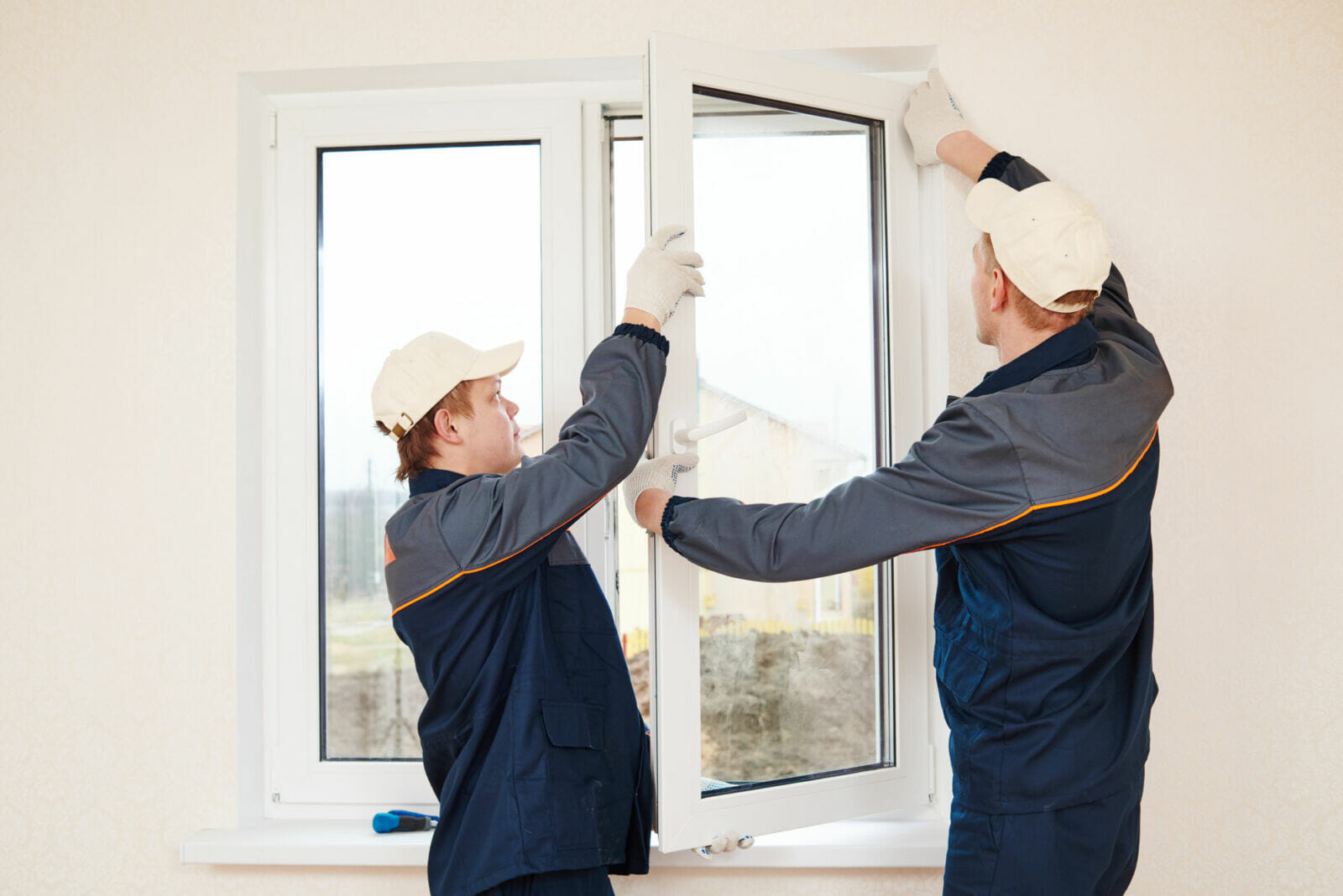
Contractors often pitch two distinct installation methods that affect both your budget and the final look. Pocket replacements drop new window inserts directly into existing sound frames without disturbing interior trim. Full-frame replacements strip everything down to the bare studs to correct hidden damage and maximize glass area.
Knowing the difference ensures you pay for the exact level of structural remediation your house requires. Pocket installations work well when existing wood frames remain entirely free of rot and water damage. Full-frame installations become mandatory when structural degradation threatens the opening’s stability.
What Protections Do Manufacturer and Labor Warranties Provide?
A warranty is only as reliable as the company backing both the factory parts and the installation labor. Many homeowners discover too late that a lifetime product warranty excludes labor costs to fix a failed seal. You need a transparent breakdown of who handles warranty claims if a pane fogs or a lock mechanism breaks.
Detailed contractual terms regarding factory-trained installer verification and structural code compliance eliminate nasty surprises down the road. Independent third-party contractors might offer separate labor warranties that expire long before the manufacturer coverage ends. Always clarify whether warranty transfers apply if you decide to sell your home later.
How Do Glass Performance Metrics Impact Energy Efficiency?
Low-emissivity coatings and gas fills play a massive role in controlling indoor temperatures throughout the hottest months. Without proper solar heat gain coefficients, your air conditioning system works overtime, spiking your monthly utility bills. Reviewing thermal performance ratings helps you match specific glass packages to your sun exposure orientation.
Window materials, energy-efficient features, and installation practices are key for cutting cooling costs. Double-paned insulated glass units filled with argon gas significantly reduce heat transfer on southern exposures. Understanding these thermal metrics helps you choose glass packages optimized for local climate demands.
Are the Installation Technicians Direct Employees or Third-Party Subcontractors?
Even the finest window product will fail prematurely if inexperienced day laborers install it. Ask whether the technicians working on your property are direct employees or third-party subcontractors. Direct employment usually translates to better accountability, rigorous training standards, and consistent quality control.
Asking this question protects the integrity of the manufacturer’s warranty, which often depends on certified installation methods. Subcontractors may rush through openings to maximize daily job counts rather than ensuring precise waterproofing.
Verifying crew credentials guarantees your investment receives the skilled labor it deserves. Construction productivity might be twice what it was 10 years ago, but you shouldn’t underestimate the value of trust in addition to the promise of a speedy service.
What Does the Project Timeline Look Like From Measurement to Completion?
Manufacturing delays and regional supply chain backlogs can leave your home exposed if you fail to map out a realistic timeline. You need to know the exact lead time from the final measurement date to the truck arrival. Scheduling installation days around typical afternoon rain patterns helps keep your interior dry during the rough-in phase.
Planning ahead minimizes disruption to your daily routine while ensuring finishing trades like stucco and drywall repair are scheduled properly. Managing expectations upfront keeps your entire window replacement project running smoothly. For more articles on home maintenance and modern life in all its forms, check out our other posts.