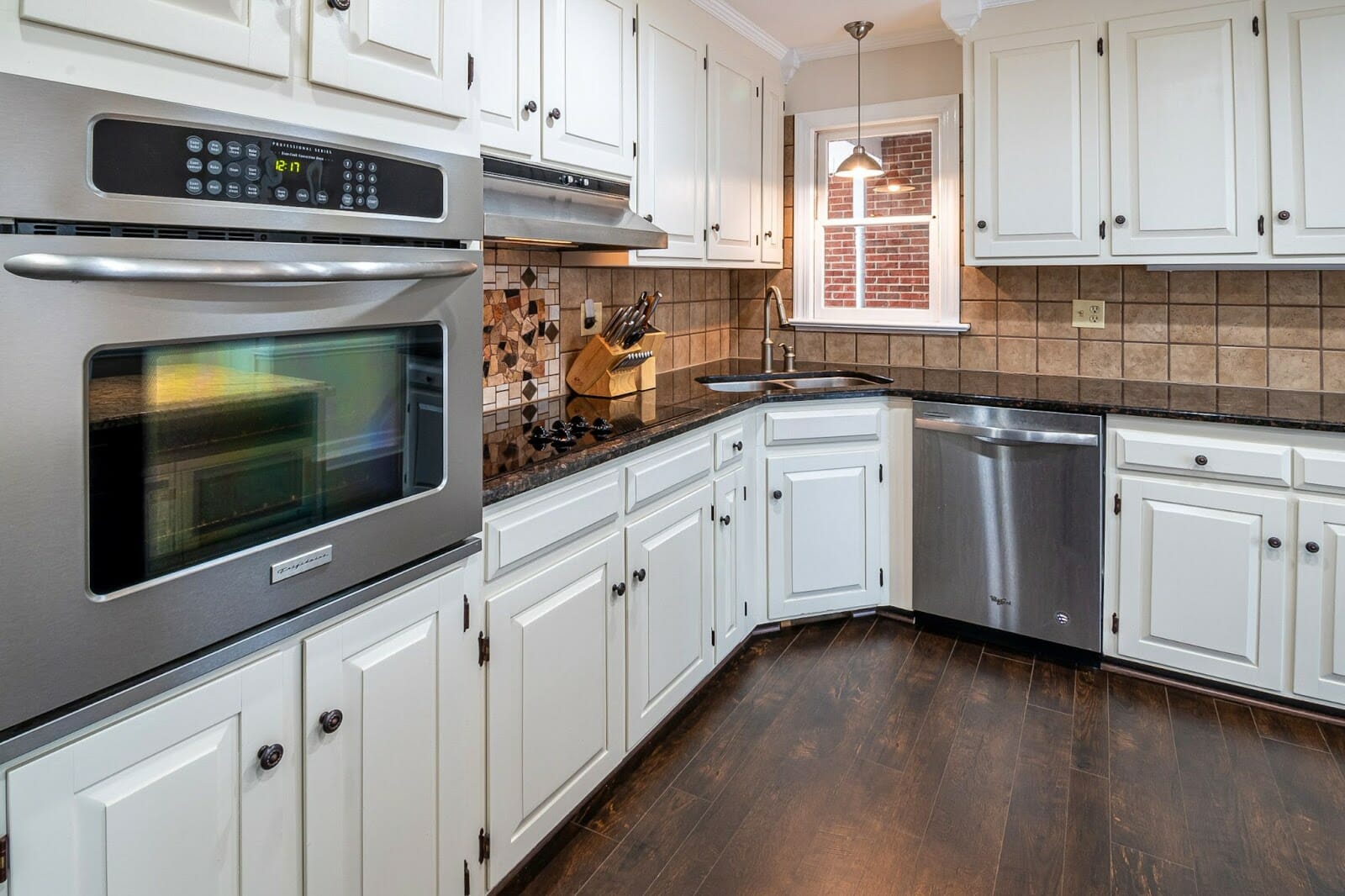
Home comfort often feels like it comes down to the thermostat, but the real story hides inside the appliances people run every single day. A kitchen can warm up from simple meal prep, a laundry room can feel stuffy after one cycle, and a home office can heat up from a single device humming in the corner. Modern homes rely on appliances for nearly everything, and each device sends a surprising burst of warmth or moisture into the air.
Daily routines bring heat sources to life in ways most people never think about. A refrigerator hums, a computer handles hours of work, a dryer runs in the background, and each one contributes its own thermal push. Those tiny contributions stack up across the day and influence comfort far more than people expect.
LOCAL NEWS: Walmart pays record $152 million for Luke Field building
INDUSTRY INSIGHTS: Want more news like this? Get our free newsletter here
Running Ovens Releases Steady Warmth
A kitchen changes quickly once the oven turns on. Preheating sends a strong wave of warmth across counters and cabinets, and the heat continues building as food cooks. Even short cooking sessions create noticeable warmth that lingers. The oven’s insulated interior holds onto temperature long after the door closes, pushing warmth outward into open living spaces. Anyone moving around the kitchen can feel the air grow heavier and warmer as the appliance continues running. Long recipes, roasting sessions, or baking batches amplify that effect and create a solid pocket of heat that spreads well beyond the cooking area.
Extra warmth from frequent oven use places more demand on cooling systems, especially in connected rooms. Given this, annual HVAC maintenance should not be delayed because your system is probably working harder to balance the temperature. The added warmth nudges the cooling equipment into longer cycles as it tries to manage the buildup. Kitchen layouts with open access to living or dining areas experience this even more, since heat moves freely across the home instead of staying trapped in one space.
Clothes Dryers Push Warm Exhaust
A clothes dryer transforms a laundry area into a mini heat zone almost instantly. The appliance pumps out steady exhaust that wraps the room in warm air. Even a single load can raise the temperature, and the warmth sits in that space long after the cycle stops. Any laundry room without strong airflow becomes a holding area for this warm pocket, and the effect intensifies once multiple loads run back-to-back. The appliance’s motor and drum add to that warmth, creating a thick layer of heat that settles into hallways, closets, and nearby rooms.
Homes with compact laundry setups feel the effect even more. The exhaust path may be short or bent around tight corners, which slows airflow and traps warm air. This warmth tends to spill into adjacent spaces, creating a noticeable temperature bump across the surrounding area. Anyone folding clothes or sorting laundry feels the difference immediately, and the warmth often sticks around for hours.
Refrigerators Push Out Warm Air
A refrigerator sends warm air from the back of the unit into the surrounding area every time its compressor cycles. The warmth collects in the narrow space between the unit and the wall, and kitchens with built-in cabinetry trap that heat even further. Longer operational periods send continued bursts of warm air outward, slowly nudging the room temperature up. Open layouts don’t stop this effect either. Warm air drifts easily across counters and islands, creating subtle temperature lifts throughout the day.
Homes where the refrigerator door opens frequently experience a steady pattern of compressor activity. That pattern raises the amount of warm air released behind the unit, and the warmth spreads from the back panel to nearby areas.
Dishwashers Release Warm Moisture
A dishwasher sends out warm vapor during its drying stage. As the cycle ends, steam slips through the vent and into the kitchen, raising the temperature and moisture level near counters and cabinets. The combination of heat and moisture creates a slight heaviness in the room, especially in kitchens with limited ventilation. The dishwasher becomes a consistent source of warmth during long cleaning cycles, allowing a soft layer of heat to sit in the air until the machine cools.
Running back-to-back loads intensifies that effect. Kitchens remain warm and slightly humid for long periods, especially near the appliance’s door and surrounding cabinets. This warmth often slips into open dining areas and raises the temperature around meal prep stations.
Desktop Computers Give Off Heat
Processors, graphics cards, and power supplies all release steady warmth that fills the immediate workspace. A home office running a computer for long work sessions becomes noticeably warmer as the hours pass. That warmth gathers around the desk, chair, and equipment, turning the area into a pocket of heat that doesn’t move easily without strong airflow.
Homes with gaming setups feel this effect even more strongly. Long hours of streaming, editing, or gameplay send waves of warmth straight into the room. The fans work harder during heavier tasks, pushing even more warm air toward the user.
Water Heaters Radiate Warmth
A water heater sends steady warmth into whatever room surrounds it. Utility closets, garages, or storage areas often carry a mild heat haze simply from the unit standing there. The tank holds hot water for long periods, and that trapped temperature slowly drifts outward into the surrounding air. Anyone stepping into the area can sense the warmer pocket almost immediately.
Extended periods of household water use keep the tank active, which strengthens the warmth that escapes into the room.
Lighting Fixtures Raise Room Temperature
Bulbs release a noticeable amount of warmth while glowing, especially in rooms that rely on heavy overhead fixtures. Long hours with lights switched on create a gentle swell of heat that settles near ceilings and spreads downward. Areas with clusters of fixtures around mirrors, counters, or workspaces often take on a warmer feel.
Warmth produced by lighting tends to drift into corners and hang in the air, especially in tighter rooms. The effect grows strongest in spaces that rely on bright, direct lighting, such as kitchens, closets, or home offices. Anyone spending extended time under those fixtures can sense the temperature climbing with quiet persistence.
Vacuum Cleaners Push Warm Exhaust
A vacuum cleaner pushes a strong burst of warm air from its motor every moment it runs. This warm exhaust wraps around the user and fills hallways, bedrooms, and living rooms during cleaning sessions. The consistent airflow from the motor sends a noticeable heat wave that follows with every pass of the machine.
Long cleaning sessions magnify this warm pocket, especially in areas with doors or tight layouts. The warmth drifts into corners and stays there until the air cools naturally. Anyone using the vacuum can feel the warm stream near their hands, legs, and the immediate surrounding space.
Appliances across a home work nonstop, and each one releases a signature burst of warmth that influences indoor comfort far more than people often recognize. Kitchens, offices, laundry rooms, and utility spaces turn into heat pockets through everyday routines that feel ordinary. A closer look at those appliances reveals how much warmth they send into the air simply through normal use.