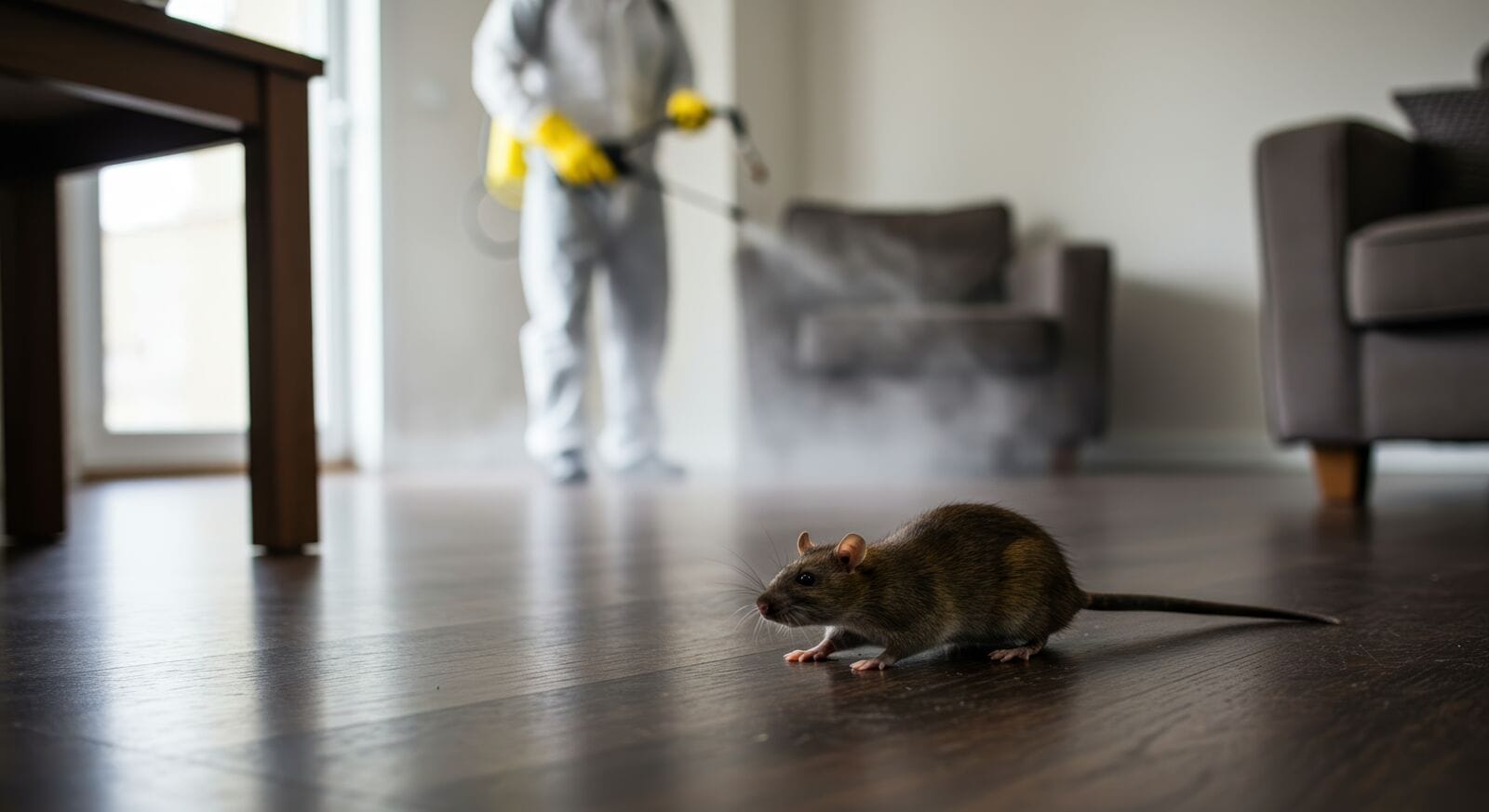
A home feels most comfortable when every room is clean, orderly, and free from unwanted surprises. Unfortunately, pests can quickly disrupt that sense of comfort.
The ants might form groups near the food source, while the cockroaches might find moisture sources near them. Rodents may defecate behind appliances, while insects might occupy hard-to-see cracks.
In addition to being disgusting, these pests can contaminate surfaces, damage items, and complicate household cleaning. This is why pest control is crucial to ensure the cleanliness and safety of the property.
Instead of taking into account only visible pests, this process involves searching for signs of concealed insect activity, potential entry points, sources of food and moisture, and other factors that contribute to the development of the infestation. What is more, prevention effectively reduces the probability of pest occurrence.
Below is how pest control helps keep your home cleaner and safer.
1. Help Reduce Contamination Around The Home
Some pests travel through places homeowners would never want connected to their kitchens or living spaces. Cockroaches and rodents, for example, may move through garbage areas, drains, attics, crawl spaces, or wall cavities before reaching places where food is stored or prepared. As a result, droppings, nesting debris, and other pest-related waste can make maintaining a clean home more difficult.
Additionally in areas such as Portsmouth, where changing seasonal conditions and the mix of residential and coastal environments can make ongoing pest prevention especially important. For this reason, working with a pest control company in Portsmouth can help homeowners identify pest activity, locate contributing conditions, and apply treatments where they are actually needed. This approach supports a cleaner home by addressing both the pests themselves and the conditions that may allow them to return.
In addition, homeowners may receive guidance on keeping problem areas clean, securing food properly, reducing clutter, and managing garbage. When pest activity is controlled at its source, routine cleaning becomes easier and the home is better positioned to remain sanitary over time.
2. Inspections Reveal Hidden Problems
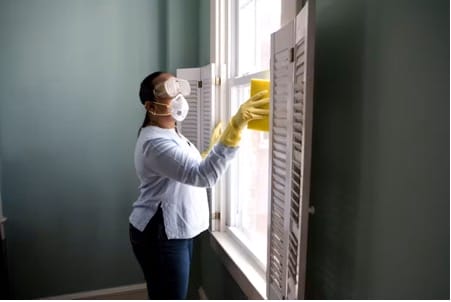
Just because a house appears to be well-maintained does not mean it is pest-free, as some pests often remain hidden. Ants live inside walls, rodents have access to attics or basements, and cockroaches are fond of hiding in warm, moist places. It is thus very important that inspection plays a key role in the pest management process.
The technicians may inspect the kitchen, bathroom, garage, attic, basement, utility openings, doors, and outside area for any evidence of infestation.
They may also search for droppings, gnaw marks, nests, insect trails, or openings through which the pests may be entering the property. It is therefore through such an inspection process that it becomes possible to identify problems that would otherwise go undetected during routine cleaning.
3. Rodent Management Supports A More Sanitary Environment
Rodents create sanitation problems by leaving droppings, nesting material, and food waste, and by gnawing on items. Additionally, mice and rats can enter small holes, enabling them to traverse from one location to another, from outdoors, storage rooms, kitchens, and even holes in the walls.
It is thus clear that controlling rodents entails more than just setting out a mousetrap where a rodent was spotted. Experts can trace rodents’ travel paths, detect entry points, use control devices, and offer exclusion strategies.
However, it would be wise for the homeowner to store food in sealed boxes, declutter the house, and keep garbage under control. Such measures ensure that the house does not attract rodents in the first place.
4. Controlling Insects Protects Everyday Living Areas
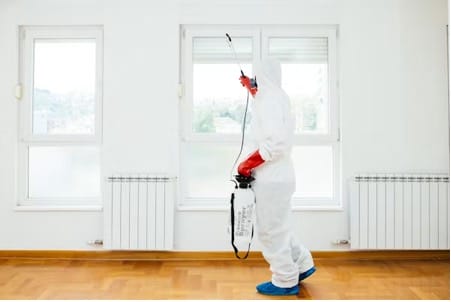
Insects can turn cozy places into very uncomfortable ones. For example, ants can attack kitchen countertops, cockroaches may come near appliances, fleas can attack carpets and pet areas, whereas bedbugs might settle near sleeping areas. This means that treatment should be adjusted according to specific insects and their habits.
While baits will be suitable for some insects, others will need other approaches, such as targeted treatment, monitoring, and so on. What is more, specialists can determine whether there is moisture, food leftovers, clutter, or cracks that allow pests to keep spreading.
It is important to solve these problems because killing specific insects may not solve them. Therefore, a targeted approach will help restore comfortable spaces such as kitchens, bedrooms, storage rooms, and other rooms.
5. Exterior Pest Control Creates Another Layer Of Protection
Most indoor pests come from the outdoors. There can be mosquitoes breeding around standing water, ticks hiding in vegetation, stinging insects nesting around structures, and crawling pests gathering around the foundation before coming into the interior space. This means that a safer home needs more than just interior pest management.
Experts can check the vegetation, drainage areas, patios, foundations, outdoor storage, and roofs, where pests might hide. Moreover, it may be necessary to eliminate standing water, remove vegetation near the house, clear debris, and seal any gaps around doors and windows. This way, the pressure from the pests is reduced
6. Prevention Helps Maintain Results Over Time
Getting rid of an infestation will be a quick fix; however, maintaining cleanliness and safety will require preventing the same conditions from recurring. This is why pest management services frequently recommend additional measures beyond pest elimination.
Repairing cracks, fixing screens, controlling moisture, keeping food storage clean, and eliminating any clutter will make your house less vulnerable to pests.
It also makes sense to conduct seasonal monitoring, because pests behave differently depending on the weather and the availability of shelters. Insects may be more active in the warmer season, while rodents may look for warm houses in cold weather. This is why it is wise to regard pest control as part of property maintenance.
Conclusion
A clean house not only involves having shiny countertops, vacuumed floors, and organized rooms, but also addresses the underlying conditions that enable pests to survive within or around the property.
This is where pest control services come into play, as they involve a combination of inspections, treatments, sanitation tips, exclusion, outdoor pest extermination, and prevention.