Essential Residential Plumbing and Drain Services for Modern Homeowners
While our focus today centers on heating systems, it’s crucial to recognize that a home’s plumbing system is equally vital for comfort, safety, and overall property value. Just like an HVAC system, plumbing requires consistent attention to prevent minor issues from escalating into major, costly disasters. From the intricate network of pipes supplying fresh water to the drainage systems carrying waste away, every component plays a role in your home’s functionality. Neglecting these systems can lead to anything from inconvenient drips to catastrophic floods, impacting both your daily life and your financial well-being. Proactive engagement with professional drain cleaning, pipe inspection, and leak detection services can make all the difference, ensuring consistent water pressure and the integrity of your sewer lines.
Why Routine Residential Plumbing and Drain Services Prevent Costly Emergencies
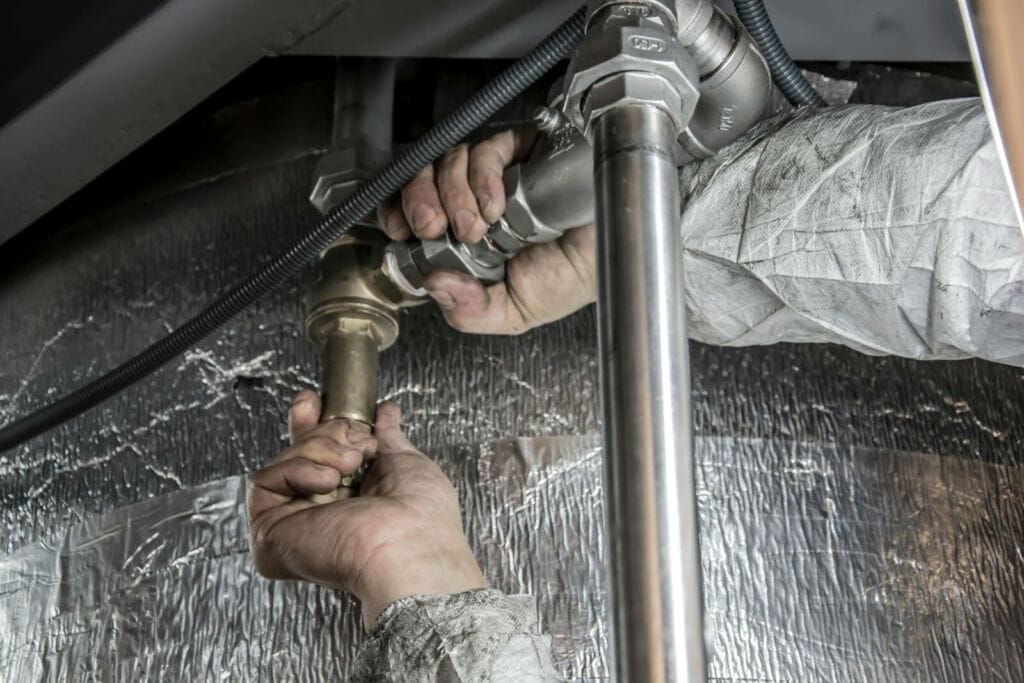
Many homeowners overlook their plumbing until a problem becomes undeniable, often at the worst possible time. However, routine maintenance is a powerful preventative measure against a host of potential emergencies. For instance, pipe corrosion, a common issue in older homes or areas with certain water chemistries, can weaken pipes over time, leading to leaks or bursts. Regular inspections can identify early signs of corrosion, allowing for targeted repairs or replacements before a complete failure occurs.
Similarly, emergency backups in drains and sewer lines are often the result of gradual sediment buildup or the insidious intrusion of tree roots. These blockages can lead to foul odors, slow drainage, and eventually, raw sewage backing up into your home—a highly unsanitary and expensive problem to resolve. Professional drain cleaning uses specialized tools to clear these obstructions, restoring proper flow and safeguarding your home from such unpleasant events. Furthermore, maintaining the integrity of your fixtures, from faucets to toilets, through routine checks can prevent leaks that waste water and contribute to structural damage.
Here are some high-risk plumbing failure points that routine services can help mitigate:
- Aging Pipes: Susceptible to corrosion, leaks, and bursting.
- Water Heater Sediment: Reduces efficiency and can lead to tank failure.
- Clogged Drains: Causes backups and potential pipe damage.
- Sewer Line Intrusions: Tree roots can crush or block main lines.
- Fixture Leaks: Wastes water and can cause hidden damage.
- High Water Pressure: Can stress pipes and appliances, leading to premature failure.
Signs of Hidden Leaks and Structural Drain Obstructions
Detecting plumbing issues early is key to preventing extensive damage and expense. While some problems are obvious, others, particularly hidden leaks and structural drain obstructions, can be subtle. Homeowners should be vigilant for signs such as slow drainage in sinks, tubs, or toilets, which often indicates a partial blockage that could worsen over time. Unexplained water damage, such as stains on ceilings or walls, peeling paint, or warped flooring, frequently points to a hidden leak within pipes or behind walls.
Another indicator is the presence of mold growth, especially in areas not typically prone to dampness, as this often signifies a persistent moisture source from a concealed leak. A sudden drop in water pressure throughout your home can suggest a significant leak somewhere in the system or a major obstruction. Gurgling sounds emanating from drains or toilets when other water fixtures are in use are classic signs of air trapped in the drainage system, usually due to a partial blockage.
For a more systematic approach, monitoring your water meter can reveal hidden leaks. If your meter continues to run even when all water-using appliances and fixtures are turned off, it’s a strong indication that water is escaping somewhere in your system. Regular professional inspections can uncover these elusive problems before they cause significant damage, saving you from extensive repairs down the line.
Seasonal Heating and HVAC System Upkeep for Cerritos Homes
As we transition into the cooler months of September 2026, ensuring your home’s heating and HVAC system is in peak condition becomes a top priority, especially for residents of Cerritos, CA. While our winters are generally mild compared to other regions, the unique environmental factors, such as the occasional Santa Ana winds, can significantly impact furnace performance and indoor air quality. Regular furnace safety checks and maintenance are not just about comfort; they are about protecting your family and your investment. The dry, dusty conditions brought by Santa Ana winds can lead to increased air filtration needs and put extra strain on your system.
A well-maintained heating system is crucial for optimal energy efficiency and prolonging the life of key components like the heat exchanger, burner assembly, and limit switch. By addressing potential issues proactively, we can ensure your system runs smoothly and efficiently throughout the season. For comprehensive guidance on maintaining all aspects of your home’s mechanical systems, including essential insights into keeping your heating and cooling running effectively, we often refer homeowners to resources that cover both residential plumbing and HVAC needs. This integrated approach helps ensure that all critical home systems are working in harmony for maximum comfort and efficiency.
Critical Furnace Safety and Performance Diagnostics
Professional furnace maintenance goes far beyond a simple visual check; it involves a series of critical diagnostics designed to ensure both safety and optimal performance. One of the most important aspects is inspecting the burner flame. A healthy furnace should exhibit a strong, steady blue flame. If you observe a yellow flame, it’s a significant warning sign that the furnace is not combusting fuel properly, potentially indicating a carbon monoxide leak—a colorless, odorless, and highly dangerous gas.
Technicians also meticulously check the heat exchanger for cracks or damage, as this component separates combustion gases from the breathable air in your home. A compromised heat exchanger can allow carbon monoxide to enter your living space. Safety switches, such as the rollout switch and limit switch, are vital for preventing overheating and other dangerous conditions. A professional will test these to ensure they activate correctly, shutting down the system if a fault is detected.
The blower motor, responsible for circulating heated air throughout your home, is also inspected for proper operation, lubrication, and any signs of wear. Airflow restriction, often caused by dirty filters or blocked vents, can force the blower to work harder, leading to inefficiency and premature component failure. By addressing these critical areas, professional maintenance significantly reduces the risk of breakdowns, improves energy efficiency, and most importantly, safeguards your home against potential hazards like carbon monoxide poisoning.
Protecting Home Comfort During Coastal Weather Shifts
Cerritos’ climate, characterized by mild winters and the occasional dry, dusty Santa Ana winds, presents unique challenges for home comfort and HVAC system performance. These winds can carry significant amounts of dust and allergens, leading to rapid dust accumulation within your heating system and ductwork. This makes regular filter replacement not just a recommendation, but a necessity for maintaining indoor air quality and system efficiency. A clogged filter restricts airflow, forcing your furnace to work harder, which increases energy consumption and accelerates wear and tear.
Beyond filter changes, professional maintenance includes thermostat calibration to ensure accurate temperature readings and consistent comfort. An improperly calibrated thermostat can lead to your system running more than necessary or not enough, wasting energy and failing to maintain desired indoor temperatures. Ductwork sealing is another crucial step, especially in dusty environments. Leaky ducts can draw in dust and unconditioned air from attics or crawl spaces, distributing it throughout your home and reducing heating efficiency. Sealing these leaks improves airflow, reduces energy loss, and enhances overall indoor air quality. By addressing these specific challenges posed by coastal weather shifts, we can ensure your heating system operates effectively, keeping your home comfortable and healthy.
Preventative Diagnostic Checklist for Mechanical Systems
Adopting a preventative approach to your home’s mechanical systems, encompassing both plumbing and HVAC, is a cornerstone of responsible homeownership. This strategy extends beyond mere repairs; it’s about system longevity, ensuring your equipment performs optimally for years to come. Regular maintenance also contributes significantly to utility savings by keeping systems running at peak efficiency, preventing the energy waste associated with struggling or faulty components. Furthermore, many HVAC and plumbing appliance warranties require documented annual maintenance to remain valid, making preventative diagnostics essential for warranty compliance. A comprehensive checklist involves thorough component testing, identifying potential issues before they manifest as costly breakdowns.
Consider the stark contrast between proactive maintenance and reactive emergency repairs:
Proactive Maintenance Reactive Emergency Repairs Scheduled at homeowner’s convenience Unscheduled, often during inconvenient times Prevents breakdowns and extends system lifespan Responds to failures, often requiring part replacement Optimizes energy efficiency and lowers utility bills Incurs higher energy costs due to inefficient operation Identifies minor issues before they escalate Addresses major failures, often with extensive damage Ensures safety (e.g., carbon monoxide detection) May occur after safety hazards have already developed Preserves warranty validity May void warranty if maintenance records are lacking Predictable costs, often part of a service plan Unpredictable, often high costs for emergency services Enhances indoor comfort and air quality Disrupts comfort and can introduce air quality issues
Integrating Residential Plumbing and Drain Services with HVAC Tune-Ups
The mechanical systems in your home are often interconnected in ways that homeowners might not immediately realize. Integrating residential plumbing and drain services with HVAC tune-ups offers a holistic approach to home maintenance, ensuring that all critical systems are working efficiently and safely. For example, your HVAC system’s condensate lines, which drain away moisture collected during cooling, are essentially part of your plumbing. If these lines become clogged, they can cause water damage or even shut down your AC unit. A comprehensive diagnostic check would include inspecting and clearing these lines.
Similarly, water heaters, while primarily plumbing appliances, significantly impact overall home energy consumption. Ensuring they are running efficiently and safely, free of sediment buildup, contributes to both energy savings and prolongs their lifespan. Scheduling annual inspections for both your plumbing and HVAC systems around the same time allows for a more streamlined and comprehensive diagnostic process. This integrated approach not only saves you time but also provides a more complete picture of your home’s mechanical health, allowing professionals to identify and address issues that might otherwise be overlooked in isolated inspections.
Maximizing Energy Efficiency and Cost Savings
One of the most compelling reasons for regular heater maintenance in Cerritos is its direct impact on your utility bills and long-term cost savings. Professional tune-ups are designed to restore your system to its factory specifications, meaning it operates as efficiently as possible. This directly translates to lower monthly energy bills for Cerritos homeowners. Over time, components can become misaligned, dirty, or worn, forcing your furnace to work harder and consume more energy to achieve the same level of heat. Regular maintenance corrects these issues, ensuring every part functions optimally.
Beyond immediate energy savings, preventative maintenance significantly reduces wear and tear on your system. By catching minor issues before they escalate into major failures, you extend the lifespan of your furnace or heat pump. This proactive approach helps avoid costly emergency repairs and the premature need for a full system replacement, which can be a substantial expense. Some local utility providers or government programs may even offer rebate programs or incentives for energy-efficient furnace maintenance or upgrades, further enhancing your savings. By maintaining your system, you’re not just saving money on energy; you’re also protecting your investment and ensuring reliable, efficient heating for years to come.
FOOD NEWS: 10 celebrity chef restaurants to try in Arizona
Frequently Asked Questions About Home Mechanical Maintenance
Homeowners often have questions about the best practices for maintaining their essential home systems. Understanding these aspects can empower you to make informed decisions and ensure your home remains comfortable and safe.
How often should home plumbing and heating systems be serviced?
The frequency of service for your home’s mechanical systems can vary slightly depending on the specific component and its usage. Generally, an annual inspection is recommended for your entire plumbing system, including checks for leaks, water pressure, and the condition of water heaters and fixtures. For HVAC systems, a bi-annual schedule is often advised: one tune-up in the fall for your heating system and another in the spring for your air conditioning. This ensures both systems are prepared for their respective peak seasons.
Beyond professional services, homeowners should regularly check and replace furnace filters, typically every 1-3 months, depending on usage and household conditions (e.g., pets, allergies). Drain clearing should be performed as needed if you notice slow drainage, but preventative measures like drain screens and occasional DIY cleaning can reduce the frequency of professional intervention. The seasonal timing for professional services is crucial; scheduling heating maintenance in late summer or early fall (before the cold sets in) is ideal, while AC maintenance is best done in early spring.
What are the main hazards of neglecting furnace maintenance?
Neglecting furnace maintenance can lead to a range of serious hazards, impacting both safety and finances. One of the most critical dangers is the risk of carbon monoxide (CO) leaks. A malfunctioning furnace, particularly one with a cracked heat exchanger or improper combustion, can release this odorless, colorless gas into your home, leading to severe illness or even death. Regular maintenance includes checks for CO leaks and ensures proper ventilation.
Another significant risk is limit switch failure, which can cause your furnace to overheat or run continuously, leading to system burnout or even fire hazards. For homes in areas susceptible to freezing temperatures, a furnace failure can lead to frozen pipes, which can burst and cause extensive water damage—a scenario that can leave you without water for days and incur thousands in repair costs. Beyond safety, neglected maintenance leads to decreased efficiency, resulting in significantly higher utility bills and a shorter system lifespan, eventually necessitating a costly premature replacement.
Can homeowners perform HVAC and plumbing tune-ups without professional tools?
While certain aspects of home maintenance can and should be handled by homeowners, professional tools and expertise are often necessary for comprehensive HVAC and plumbing tune-ups. Homeowners can certainly perform essential DIY filter changes for their HVAC systems, which is a crucial step in maintaining airflow and indoor air quality. Similarly, visual leak checks around faucets, toilets, and exposed pipes can help identify obvious issues early. Regularly clearing drain stoppers of hair and debris can also prevent minor clogs.
However, professional calibration of thermostats, specialized safety testing for carbon monoxide leaks, and in-depth inspections of complex components like heat exchangers, burner assemblies, or sewer lines require specialized tools and training. Attempting these tasks without the proper equipment or knowledge can be dangerous and may even void warranties. The best approach is a collaborative one: homeowners handle the routine, simple tasks, while professionals are called in for the more intricate, safety-critical, and diagnostic aspects of maintenance.
Conclusion
In conclusion, maintaining your home’s essential mechanical systems, from your plumbing to your HVAC, is not merely a chore but a strategic investment in your property’s preservation and your family’s well-being. By adopting a proactive strategy of regular, affordable heater maintenance in Cerritos, CA, alongside consistent plumbing care, we can ensure optimal performance, enhanced home safety, and significant long-term value. From preventing costly breakdowns and reducing energy bills to safeguarding against dangerous carbon monoxide leaks, the benefits of routine maintenance are undeniable. Let us empower ourselves with knowledge and action, recognizing that a well-maintained home is a comfortable, safe, and efficient home for years to come.