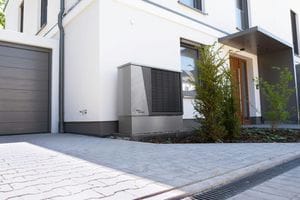
You can spend months perfecting a patio, planting borders and choosing the right outdoor furniture, only for a big metal box to sit right in the middle of the view. The outdoor condenser unit is an essential part of a central air system, but it’s rarely the most attractive feature of a backyard.
The good news is that there are plenty of ways to disguise it. The catch is that your AC unit needs to breathe. Box it in too tightly, smother it with plants or block access for servicing, and you can end up with higher energy bills, a struggling system and an earlier replacement than you planned.
Here’s how to hide your unit beautifully while keeping it running the way it should.
First, the Ground Rules
Before you pick a design, keep these principles in mind.
Leave room to breathe. Your condenser pulls in air through its sides and pushes hot air out the top. Many manufacturers recommend roughly two feet of open space around the sides and plenty of unobstructed space above, though exact figures vary, so check your unit’s installation manual.
Keep it accessible. Technicians need to reach the unit for routine servicing and repairs. Any screen or enclosure should have a removable panel, gate or open side so nobody has to dismantle your project to do their job.
Think about drainage and debris. Avoid designs that trap leaves, grass clippings or standing water around the base.
Start with a healthy system. It makes sense to have the unit checked before you build around it. A technician can clean the coils, check refrigerant levels and spot small problems while the area is still easy to reach, and you can learn more about what a routine tune-up covers and how often it’s recommended.
Design Ideas to Disguise Your AC Unit
Slatted wood screens
A freestanding slatted screen is one of the most popular solutions, and for good reason. Horizontal or vertical slats with generous gaps between them hide the unit from view while still letting air move freely. Cedar and other weather-resistant woods age beautifully, or you can paint or stain the screen to match your house trim, deck or fence.
For a seamless look, build the screen as a three-sided panel with the back facing the house left open, and attach one side with hinges so it swings out for servicing.
Lattice and trellis panels
Lattice panels offer a lighter, more traditional look that suits cottage-style gardens and classic homes. Pair them with a few climbing plants for a softer effect, but plant on the outside of the panel and keep vines trimmed so they never grow onto the unit itself.
Decorative metal screens
For modern and contemporary homes, laser-cut metal panels in geometric or botanical patterns can turn an eyesore into a feature. Powder-coated steel or aluminum holds up well outdoors, and the perforated designs allow for good airflow. Dark finishes like charcoal or bronze tend to recede visually, while bolder colors can make a statement.
A living screen of shrubs and grasses
Plants can do a great job of softening the look of a condenser. Choose evergreen shrubs or upright ornamental grasses and position them a couple of feet away from the unit so air can circulate. Avoid plants that shed heavily, drop berries or seed pods, or have sprawling growth habits, since debris can clog the fins and roots can creep toward the pad.
Prune regularly, especially in spring and early summer, to keep a clear zone around the unit.
Planters and container gardens
If you don’t want anything permanent, a row of tall planters can create an instant screen. Large rectangular troughs filled with grasses, bamboo-style plants or tall perennials work well. Containers are easy to move for servicing, and you can change the planting with the seasons.
Keep planters set back from the unit and avoid placing them where runoff from watering will pool around the base.
Extend your existing fence
If your unit sits near a fence line, consider building a short return section in the same material. Matching the style ties the enclosure into your landscape so it looks intentional rather than added on. Leave gaps between boards and keep at least one side open or removable.
Open overhead structures
Some homeowners like the idea of a pergola-style cover to shade the unit and hide it from upstairs windows. If you go this route, keep it high, open and slatted so hot air can escape freely. A solid roof or low cover directly above the condenser can trap hot exhaust air and force the system to work harder.
What to Avoid
A few common mistakes can undo the benefits of a well-designed screen:
- Fully enclosed boxes or solid covers. These restrict airflow and can recirculate hot air back into the unit.
- Covering the unit with tarps or fabric during the cooling season. Save covers, if you use them at all, for the off-season and follow the manufacturer’s guidance.
- Climbing plants growing on the unit. Vines can work their way into the fins and fan.
- Mulch or gravel piled against the sides. Keep landscaping materials around the base, not on or against it.
- Blocking the electrical disconnect. The disconnect box mounted near the unit should stay easy to reach.
Keep Up the Care
Once your screen is in place, a little routine attention keeps everything working smoothly. Check the area around the unit every few weeks during the cooling season and clear away leaves, clippings and debris. Trim plants back as they grow, and keep an eye out for anything blocking airflow.
Inside the house, change or clean your air filters regularly, and pay attention to signs of trouble such as weak airflow, rooms that won’t cool properly or ice forming on the refrigerant lines. Combined with an annual professional inspection, these simple habits help your system run efficiently for years.
Final Thoughts
Your outdoor AC unit doesn’t have to spoil your backyard. With the right screen, a few well-chosen plants or a clever extension of your existing fence, you can turn it into a tidy, even attractive part of your landscape.
Just remember the golden rule: hide it from view, never from the air it needs. Leave space around and above the unit, keep it accessible for servicing, and you’ll enjoy a beautiful outdoor space and a cooler home all summer long.