Owning a backyard pool brings endless fun during warm summer months. Keeping that water clean and safe requires regular attention to standard maintenance routines.
Small mechanical issues often start out quietly before turning into expensive repairs. Paying attention to sudden changes in performance keeps minor trouble from growing worse.
Unexplained Drops in Water Levels
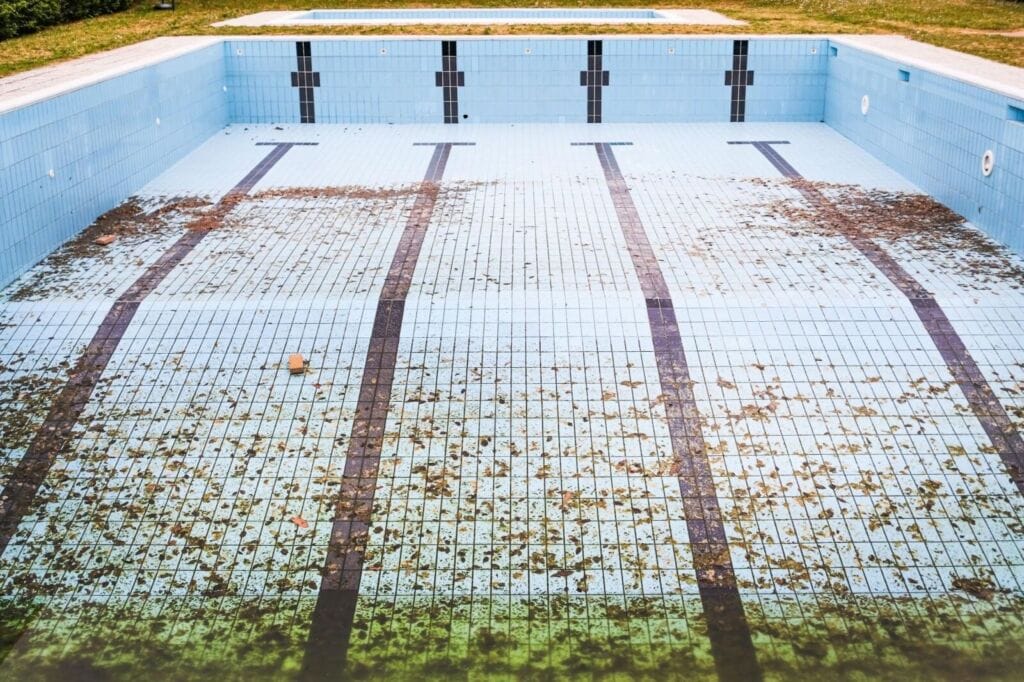
Daily evaporation causes pool levels to drop slightly throughout hot summer months. Homeowners who need pool repair in Maryland, for example, usually notice significant water loss when hidden lines break down. Watching your skimmer line closely helps prevent equipment from pulling in air and overheating.
Rapid water loss points toward structural leaks or failing plumbing lines under concrete decks. A sharp decline in water volume puts unnecessary stress on pump motors during daily operation. Continuous water loss can sink deck sections over extended periods of time.
Property owners in Gambrills often notice their pool is not holding water properly when system parts break down. Catching these drops early protects concrete decks and foundations from subterranean erosion.
Visible Structural Cracks on Surfaces
Surface materials face constant exposure to pressure, sun, and chemical treatments. Outer plaster layers show minor cosmetic wear after years of regular swimming sessions. Routine pool usage gradually thins out plaster surfaces across high-traffic areas over multiple seasons.
Industry updates warn that cracks, whether large or small, show that something is wrong with pool structure. Deep fractures let pool water seep straight into surrounding soil layers. Unchecked leaks weaken ground support beneath heavy pool walls over extended periods.
Ignoring visible structural lines allows shifting groundwater to tilt concrete foundations. Professional technicians use pressure testing tools to locate underground fractures before completing repairs.
Persistent Water Discoloration and Cloudiness
Standard pool water stays crystal clear with proper sanitization and filtration schedules. Sudden cloudiness or green hues indicate filtration failure or fast algae growth. Clear water reflects good circulation across every corner of your swimming space day after day.
Adjusting chemical balances fails to resolve murkiness when internal filter media becomes clogged. Dirty sand beds or torn cartridges stop trapping tiny debris particles effectively. Fine particles circulate back into swimming areas when filters lose capture ability during daily operation.
Persistent haziness requires full system diagnostics by experienced equipment specialists. Service crews clean internal media and adjust flow valves to restore complete water clarity. Proper flow rates stop microscopic algae from blooming along shaded pool walls and hidden steps.
Unusual Noises From Mechanical Equipment
Pool pumps operate with a low, steady hum during scheduled daily circulation cycles. Screeching, grinding, or loud rattling sounds signal immediate mechanical failure. Operational noise changes usually indicate internal motor parts rubbing against the metal casing during active cycles.
Worn bearings inside pump motors create harsh friction during regular operating hours. Trapped air inside suction pipes generates loud popping sounds near skimmer baskets. Cavitation damages impellers and reduces suction efficiency over extended operating periods without timely service. Addressing unusual motor noise quickly prevents severe component burnout.
Several distinct sounds indicate major component failure:
- Screeching sounds from failing motor bearings.
- Grinding noises from impeller blockages.
- Popping sounds caused by suction line air leaks.
Temperature Irregularities and Heater Failures
Swimmers expect consistent water heat when turning on automated heating units. Temperature drops during normal operation mean electrical circuits or gas valves stopped working properly. Cold water during warm days indicates system communication failure across control panels.
Faulty thermostats misread water temperatures and shut heating cycles down early. Scale buildup inside heat exchangers lowers heat transfer efficiency across entire pools. Corroded heating coils restrict water movement and cause unexpected burner shutdowns during routine operation.
Equipment failures in thermal systems prevent heaters from regulating water temperature efficiently. Certified mechanics inspect ignition circuits and safety switches to restore full heating function.
Constant Chemical Imbalance Issues
Balancing pH and chlorine levels remains a weekly task for home pool owners. Sudden spikes or drops that resist chemical treatments point toward internal circulation problems. Stable chemical levels keep water safe for daily family recreation throughout the swimming season.
Poor water circulation creates dead zones where algae and bacteria multiply rapidly. Broken return jets or clogged skimmer baskets stop chemicals from distributing evenly across all deep sections. Stagnant pockets require physical brushing and professional circulation adjustments to stay clean.
Expert testing pinpoints exact circulation blockages inside underground plumbing networks. Fixing return flow dynamics restores proper chemical balance and keeps swimming water safe.
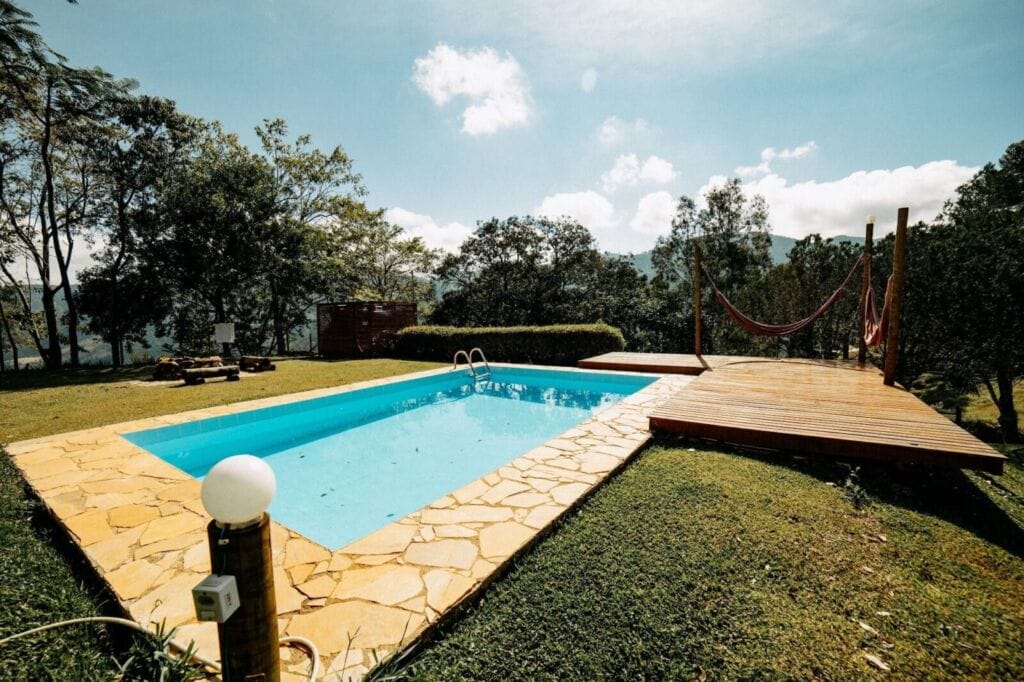
Monitoring equipment sounds, surface integrity, and water clarity protects backyard investments. Addressing early indicators of wear stops small mechanical bugs from morphing into total system failure.
Partnering with trained specialists restores system performance and extends equipment lifespan. Scheduling timely maintenance lets families enjoy clean, comfortable water all season long.