Georgia summers are hard on natural grass, and the repair bill arrives every year in water, fertilizer, and labor. Property owners evaluating an artificial grass installer in Atlanta often find that finished photographs look nearly identical across companies, while the construction underneath varies widely. Base depth, drainage design, infill selection, and seam work determine whether a lawn still looks right after eight summers or flattens within two. The five companies below have built durable reputations across the metro area for residential yards and commercial landscapes alike.
What Separates a Quality Turf Installation
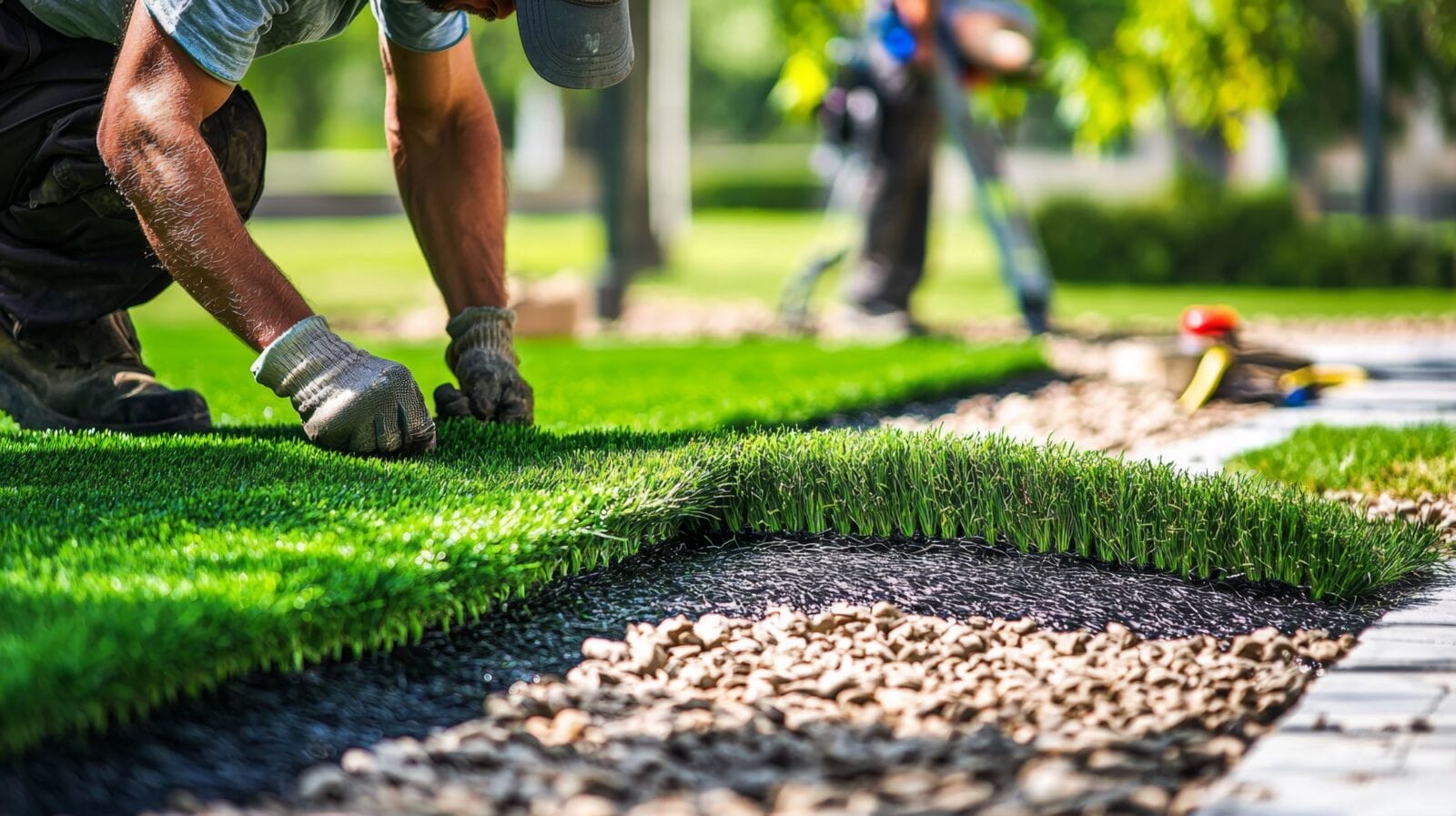
Synthetic surfacing succeeds or fails below the blades. Excavation depth, compacted aggregate, and a permeable backing that moves water rather than trapping it determine long-term performance, particularly on Georgia clay. Infill type affects blade recovery, surface temperature, and odor control around pets. Seam placement and perimeter anchoring keep edges from lifting under foot traffic, where careless work shows up first.
1. CBA Sports
Operating from Norcross since 1992, CBA Sports installs synthetic surfacing across residential landscapes, commercial properties, and athletic applications throughout Georgia. Its turf systems are engineered to drain freely and run cooler underfoot than conventional synthetic grass, which matters through August. The company handles landscape lawns, golf greens, pool deck surfacing, and sport turf, typically on projects of 20,000 square feet or less. It also maintains what it installs rather than treating handover as the end of the relationship.
2. Grass!365
Grass!365 traces its Atlanta work back to the late 1990s, when it began installing backyard putting greens across North Georgia. The company now covers multifamily communities, hospitality properties, senior housing, schools, and churches alongside residential yards. Sloped lots and difficult site access come up constantly in metro Atlanta, and its crews have installed substantial square footage under those conditions. Returning clients frequently cite follow-up maintenance visits years after installation.
3. Southern Turf Co
Southern Turf Co supplies residential lawns, commercial landscapes, and specialized sports surfaces built for Georgia conditions. Its product line is selected for hot summers and occasional hard freezes, with manufacturer warranties extending up to fifteen years on materials. Installation work carries its own coverage, which gives property owners a clearer picture of where responsibility sits if a problem appears. Free estimates and financing options make budgeting straightforward on larger projects.
4. Waterloo Turf Atlanta
Waterloo Turf Atlanta focuses on residential and commercial artificial grass with an emphasis on service before, during, and after installation. Its team treats the compacted base layer as the determining factor in long term performance, a position experienced installers consistently share. Products are UV-stabilized against fading and selected for pet-friendly, antimicrobial performance where households need it. The same crew stays from consultation through completion.
5. NexGen Lawns
NexGen Lawns serves homeowners, businesses, schools, parks, and sporting facilities across the Atlanta market. The company carries a wide product range, allowing blade height, color, and density to match how a space will actually be used. Commercial clients with heavy foot traffic and residential clients wanting a manicured front lawn need genuinely different specifications. Installation crews handle both categories regularly.
MORE NEWS: Fairmont Scottsdale Princess sold to San Manuel Investment Authority
Matching the Surface to the Property
Product selection should follow use, not appearance. Pet areas, play zones, poolside surrounds, and putting greens each call for different pile heights, backings, and infill. Turf placed near a sports court in Atlanta takes concentrated traffic at entry points and benefits from a denser system than an ornamental front lawn requires. Walking a property with an installer before writing a quote prevents mismatches that surface two years later.
Conclusion
Choosing among qualified installers comes down to base construction, drainage design, product suitability, and whether the company stands behind its work after the final invoice. Warranty language, maintenance offerings, and verifiable local project history carry far more weight than square foot pricing alone. Each firm listed here has established metro Atlanta experience across both residential and commercial work. A site visit with a written scope usually settles the decision quickly.