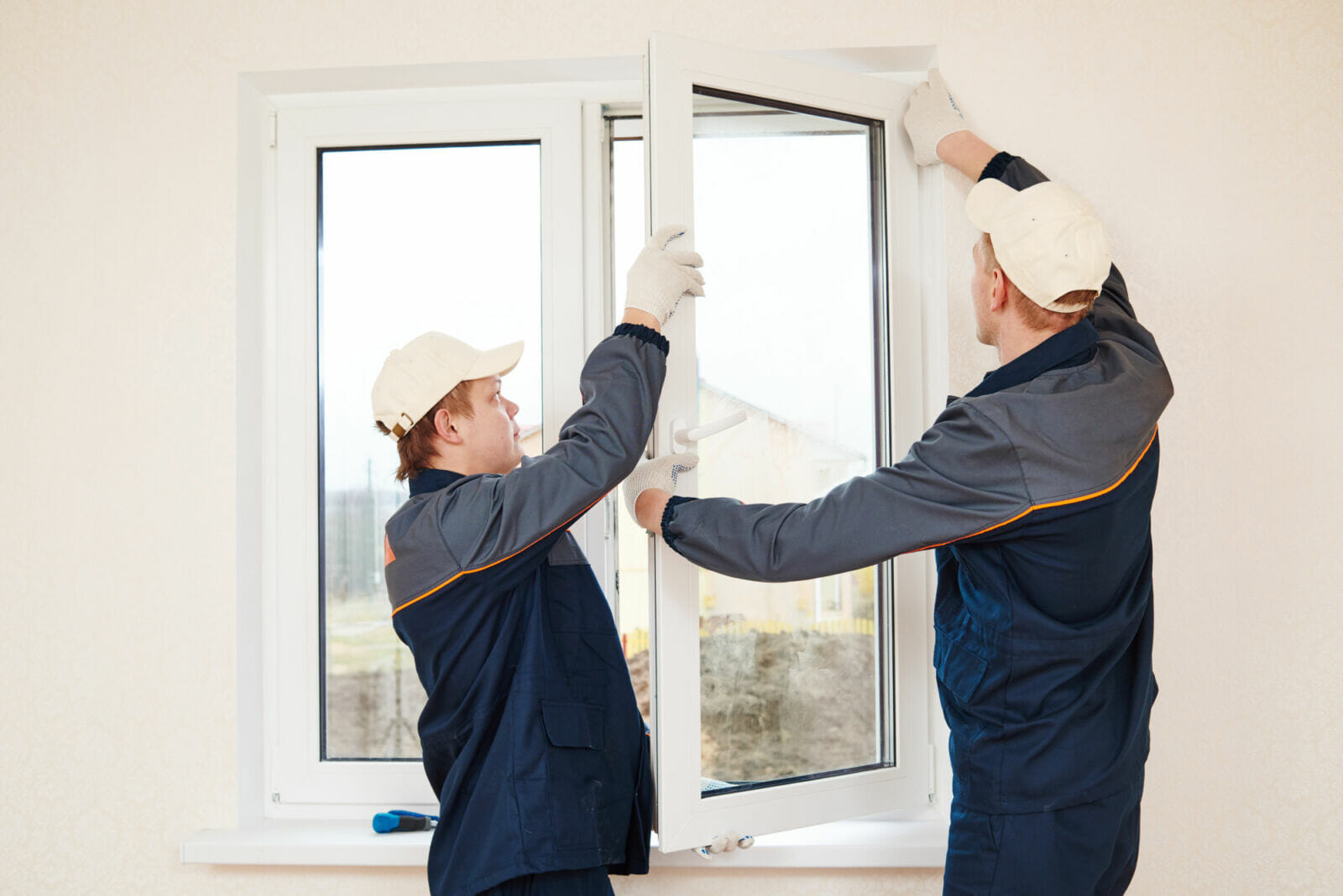
Your home is a sanctuary where comfort, security, and personal aesthetics seamlessly converge. While homeowners eagerly invest in kitchen renovations, bathroom updates, or fresh landscaping, one crucial aspect of exterior home maintenance is frequently overlooked: the windows. Windows are truly the eyes of your home, offering a glimpse of the outside world while protecting your family from the harsh elements. Over time, however, even the most high-quality installations will eventually succumb to daily wear and tear. Recognizing the warning signs that it is time for a complete replacement is essential for maintaining your home’s structural integrity, long-term energy efficiency, and overall market value.
Elevating Aesthetics and Finding the Right Fit
When considering upgrades, modern materials offer incredible durability, low maintenance requirements, and excellent thermal performance. For homeowners seeking a versatile, robust, and highly stylish solution, exploring different uPVC window styles is a fantastic starting point. Unplasticized Polyvinyl Chloride frames are highly resistant to harsh weathering, do not require regular repainting like traditional timber, and provide exceptional thermal insulation. Whether you are looking for classic casement profiles, sleek sliding designs, or practical tilt-and-turn options, modern uPVC can be uniquely tailored to suit any aesthetic preference.
Skyrocketing Energy Bills and Unwelcome Drafts
One of the most obvious signs your windows are failing is a noticeable increase in your monthly heating and cooling costs. If your HVAC system constantly works overtime to maintain comfortable indoor temperatures, older windows might be the primary culprit. Single-pane models or those with degraded seals offer remarkably poor insulation. According to the U.S. Department of Energy, heat gain and heat loss through windows are responsible for 25% to 30% of residential heating and cooling energy use.
If you feel a distinct draft when walking past a closed window, or if the glass feels icy to the touch during winter months, the insulating properties are compromised. Upgrading to modern replacements can drastically reduce this thermal transfer, ultimately lowering your monthly utility bills and creating a more eco-friendly household.
Difficulty Opening, Closing, and Locking
Windows should always operate smoothly and effortlessly. If you find yourself struggling to open a sash, propping it up with a book to keep it open, or fighting to securely lock it, this is a major red flag. This difficulty can stem from subtle foundation shifting, warped frames caused by ongoing moisture damage, or the natural deterioration of internal balancing mechanisms over years of repeated use.
A stuck window is not just an inconvenience; it is a significant safety hazard. In an emergency, such as a house fire, you need to be able to exit your home quickly. Additionally, units that do not lock securely make your property an easy target for potential intruders. Replacing outdated fixtures guarantees safety, effortless operation, and peace of mind.
Visible Damage, Decay, and Moisture Accumulation
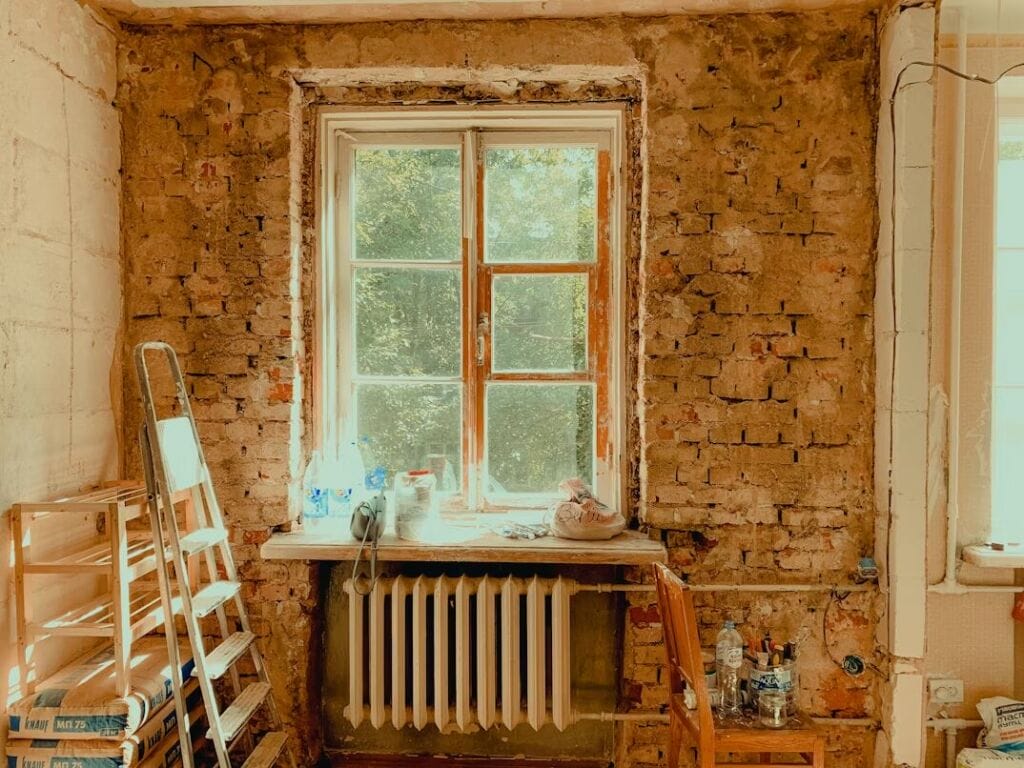
A thorough visual inspection can reveal a lot about the true condition of your home’s exterior. Look closely for signs of water damage, such as chipping paint or soft, spongy wood around the interior and exterior frames. Wooden frames are highly susceptible to rot and mold if they are frequently exposed to moisture without rigorous maintenance. Once decay sets in, it can quickly spread to the surrounding structure of your walls.
Another critical visual cue is condensation forming between the panes of double-glazed glass. While standard exterior condensation is normal, moisture trapped permanently between layers indicates the airtight factory seal has failed. When this seal breaks, the heavy insulating gas escapes, negating the window’s energy efficiency.
Excessive Outside Noise Pollution
Do you hear every car that drives by, every dog barking in the neighborhood, or the conversations of pedestrians, even when your windows are completely shut? If your home feels more like a bustling intersection than a peaceful retreat, your current setup is failing to provide adequate sound insulation.
Older single-pane glass does very little to block out exterior noise pollution. Upgrading to high-quality double-glazing can dramatically reduce the transmission of intrusive sound waves. The combination of multiple glass panes and internal spacing creates a powerful acoustic barrier, which is especially beneficial if you live near a busy road, a dense neighborhood, or an airport flight path.
Upgrading is far more than just a standard home improvement project; it is a proactive investment in your daily comfort, family security, and a greener future. While the initial financial cost might seem significant, the long-term savings on utility bills, combined with the notable increase in property value, make it an incredibly rewarding upgrade. Don’t wait until the weather becomes unbearable – start evaluating your home’s exterior today to ensure a comfortable and secure living environment for years to come.