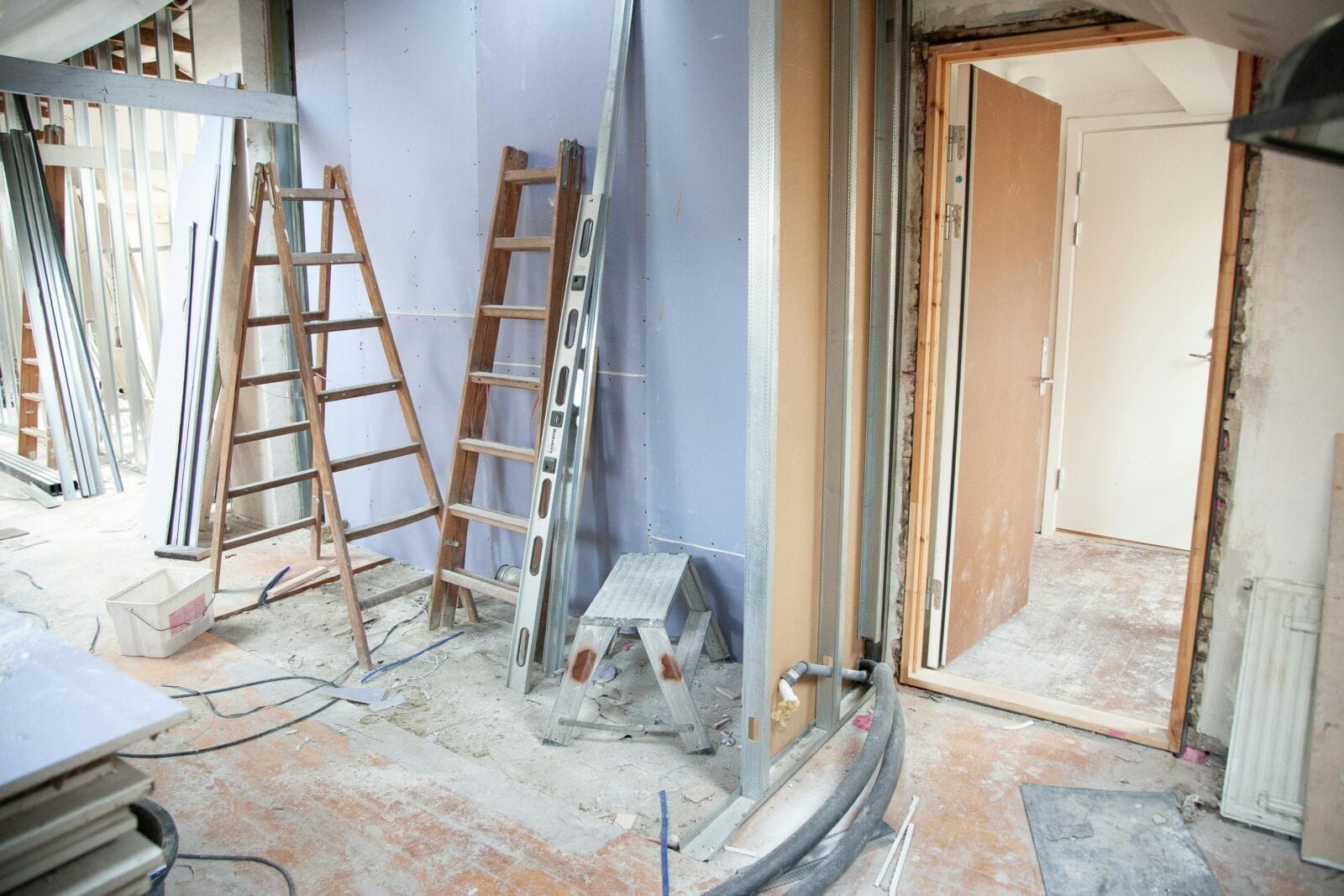
Construction crews moving through your home, walls being opened, and rooms becoming temporary storage zones can create unexpected risks for valuable possessions. One item homeowners often overlook is firearm security. Understanding what happens to your firearms during a full home renovation is important because a renovation can disrupt routines, increase access points, and make secure storage more complicated than many people expect.
Many homeowners focus on budgets, timelines, and design choices. Firearm storage often becomes an afterthought until demolition begins. By then, options may be limited, and rushed decisions can create unnecessary safety and security concerns.
Why Does Renovation Disrupt Firearm Security?
A renovation changes how your home functions on a daily basis. Rooms may become inaccessible, furniture gets relocated, and contractors frequently move throughout the property.
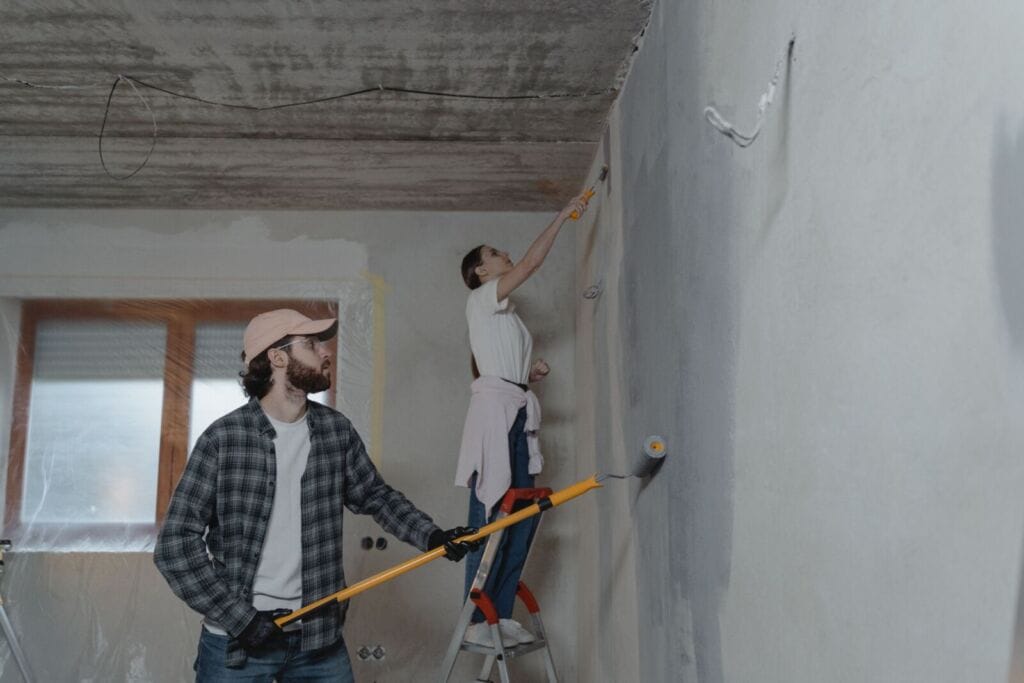
Even projects such as basement finishing can affect storage locations that homeowners previously considered secure. Areas that once remained private may suddenly become active work zones with multiple people entering and exiting throughout the day.
Construction activity also creates distractions. Homeowners often focus on scheduling inspections, selecting materials, and managing project costs. Security routines that normally happen automatically can be forgotten during busy renovation periods.
How Do Firearm Storage Habits Change During Construction?
Most homeowners temporarily alter their storage routines when renovations begin. That adjustment is where many risks emerge.
Many people develop consistent firearm storage habits over time, but construction can interrupt those routines by forcing safes, cabinets, or locked containers to be relocated unexpectedly.
A safe located in a finished basement may become inaccessible during demolition. A closet used for secure storage may be emptied for remodeling. Temporary solutions that seem acceptable for a few days can sometimes remain in place for weeks or months.
The challenge is not simply where firearms are stored. The challenge is maintaining the same level of security despite changing conditions inside the home.
What Problems Can Temporary Storage Create?
Temporary storage often introduces vulnerabilities that did not previously exist. The safest long-term storage setup may not work during active construction.
Common issues include:
- Reduced physical security
- Increased visibility of storage locations
- More people accessing the property
- Limited monitoring of certain rooms
- Frequent movement of personal belongings
Many homeowners spend significant time avoiding renovation problems related to budgets and timelines, yet overlook security planning for personal valuables until construction is already underway.
A temporary solution should still meet the same safety standards expected during normal living conditions.
Should Firearms Remain in the Home During a Major Renovation?
The answer depends on the scope of the project. Smaller renovations may allow firearms to remain securely stored on-site. Large-scale renovations often require additional planning.
Projects involving multiple rooms, structural changes, or extended contractor access increase exposure risks. Homeowners should evaluate whether existing storage remains secure throughout every phase of construction.
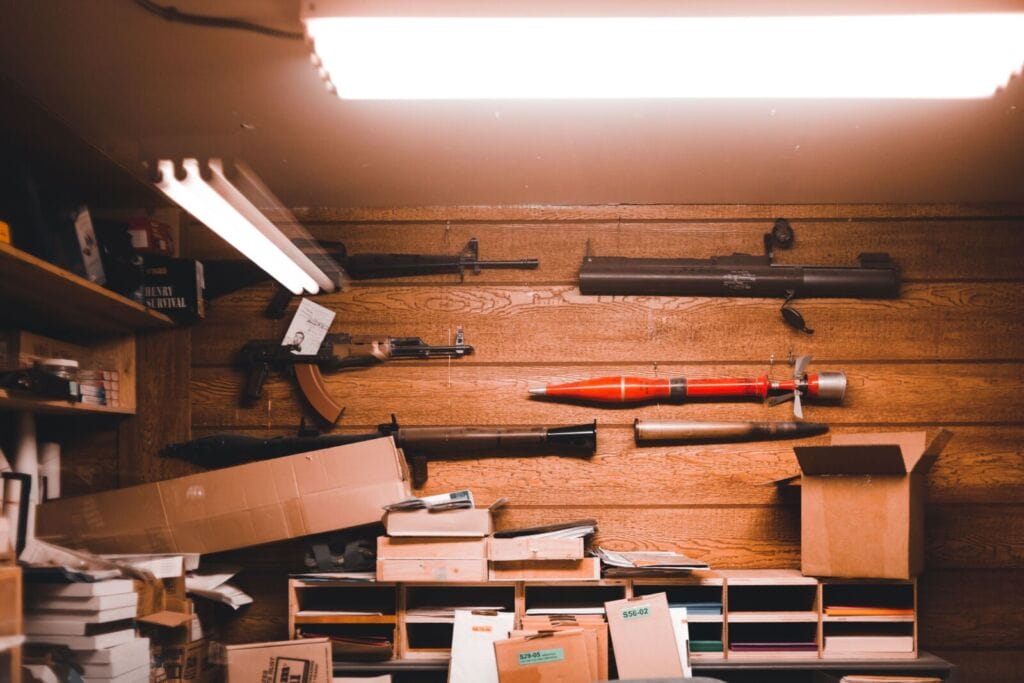
Questions worth asking include:
- Will contractors work near the storage area?
- Will the safe need to be moved?
- Will doors, windows, or walls be removed?
- Will security systems be temporarily disconnected?
- Will the property be vacant for extended periods?
The more disruption involved, the more important advance planning becomes.
What Happens to Your Firearms During a Full Home Renovation If No Plan Exists?
The most common outcome is confusion. Firearms may be moved multiple times, stored in less secure locations, or become difficult to track during construction.
Homeowners sometimes underestimate how long a project will last. A temporary storage solution intended for a weekend can remain in use for several months if schedules change.
This uncertainty increases the likelihood of mistakes. Secure storage depends on consistency. Renovations introduce constant change.
The goal is to eliminate uncertainty before work begins rather than reacting after construction is already underway.
Why Is Planning Easier Before Demolition Starts?
Early planning provides more options. Once construction begins, homeowners often make decisions under pressure.
A renovation schedule can help identify periods when storage locations become inaccessible. It can also reveal whether additional security measures may be necessary.
Many homeowners discover that design-build is the smarter way to renovate because planning, communication, and project coordination happen through a single process. The same principle applies to firearm security. Decisions made before demolition are typically more effective than solutions created after disruptions occur.
A detailed renovation plan should include security considerations alongside budgets, timelines, permits, and material selections.
How Can Homeowners Reduce Security Risks?
The most effective approach is treating firearm storage as a dedicated renovation task rather than a last-minute consideration.
Practical steps include:
- Review current storage arrangements.
- Identify areas affected by construction.
- Determine whether storage locations remain secure.
- Create a temporary storage strategy if needed.
- Confirm access control throughout the project.
- Reassess security whenever project conditions change.
Security planning should evolve as construction progresses. Conditions during demolition may differ significantly from conditions during finishing work.
What Questions Should You Ask Before Construction Begins?
Homeowners should evaluate how renovation activity affects security from the first day through project completion.
Important questions include:
- Who will have access to the property?
- How often will crews enter and exit?
- Will storage locations remain visible?
- Are there periods when the home will be vacant?
- Could construction affect alarms or monitoring systems?
- Is there a backup plan if schedules change?
Answering these questions early helps eliminate uncertainty and supports better decision-making throughout the renovation.
Protecting More Than Just the Renovation Investment
Home renovations involve significant financial commitments, but protecting personal property deserves equal attention. Understanding what happens to your firearms during a full home renovation helps homeowners avoid preventable security challenges that often arise during construction. The most effective strategy is preparation. Instead of assuming everything will work itself out, create a storage and security plan before demolition begins. When homeowners understand this, they can move through the construction process with greater confidence and fewer surprises.