The diamond jewelry market in 2026 seems markedly excellent from what it did even a decade within the past. While diamonds have traditionally symbolized permanence and status, nowadays clients are redefining what luxurious virtually means.
Economic pressures, sustainability awareness, and virtual-first shopping conduct are reshaping the industry, influencing sourcing, pricing techniques, retail fashions, and long-time investment outlooks.
The diamond market is not contracting. It is transforming.
Ethical Luxury Is Now an Expectation
One of the most considerable shifts is the demand for transparency. Modern clients in particular Millennials and Gen Z prioritize moral sourcing, traceability, and environmental responsibility.
This has extended the enlargement of lab grown diamonds, which provide the same chemical and physical properties to mined stones at the identical time as commonly wearing a lower environmental footprint. As a result, outlets are rebalancing stock and repositioning their charge propositions.
Brands working in this area, which includes customer-driven retailers like iBling Jewels, have seen sturdy demand for lab-grown collections like diamond engagement rings, wedding bands, stud earrings, pendant necklace, diamond tennis bracelet that emphasize sustainability without compromising design. The growth of satisfactory-selling and top-rated lab diamond classes indicators a clear shift in customer priorities.
Sustainability is no longer a differentiator, it is a baseline requirement.
Value-Driven Luxury Is Replacing Status Signaling
Consumers in 2026 are more analytical in their purchasing decisions. Rather than buying based solely on tradition or perceived prestige, they evaluate:
- Price per carat
- Certification credibility
- Long-term versatility
- Design durability
- Overall value retention
Lab grown diamonds, frequently priced substantially lower than mined equivalents, permit buyers to prioritize size and best whilst keeping financial flexibility.
For outlets, this indicates recalibrating margins and adapting messaging. Luxury is more and more described by knowledgeable choice-making rather than exclusivity alone.
Jewelry brands that function themselves around purchaser pleasure, transparency, and price, particularly humans with strong best-selling and customer-favorite collections are outperforming legacy prestige-best models.
Inflation and Economic Sensitivity Are Shaping Buying Behavior
Global economic uncertainty has encouraged more deliberate spending. Rather than abandoning discretionary purchases like diamond jewelry, consumers are becoming strategic.
Current trends include:
- Choosing lab-grown over mined alternatives
- Selecting minimalist, everyday-wear designs
- Investing in versatile pieces instead of occasion-only jewelry
- Seeking brands with strong review credibility
Retailers that align with this practical luxury mindset are seeing resilience even amid economic shifts.
Companies like iBling Jewels, known for top-rated and customer-favorite designs, illustrate how sturdy product-market alignment and transparent pricing can assist sustained growth in a value-aware environment.
Digital-First Retail Is Redefining Engagement
E-commerce continues to reshape jewelry buying behavior. Consumers now expect:
- High-resolution imagery and 360-degree views
- Certification documentation readily available online
- Educational content explaining cut, clarity, and quality
- Seamless checkout and delivery experiences
The rise of virtual-local manufacturers has disrupted conventional retail models. Even brick-and-mortar jewelers are adapting via integrating hybrid sales strategies and greater online platforms.
Digital transparency builds trust and trust drives conversion.
Customization Is Becoming Standard Practice
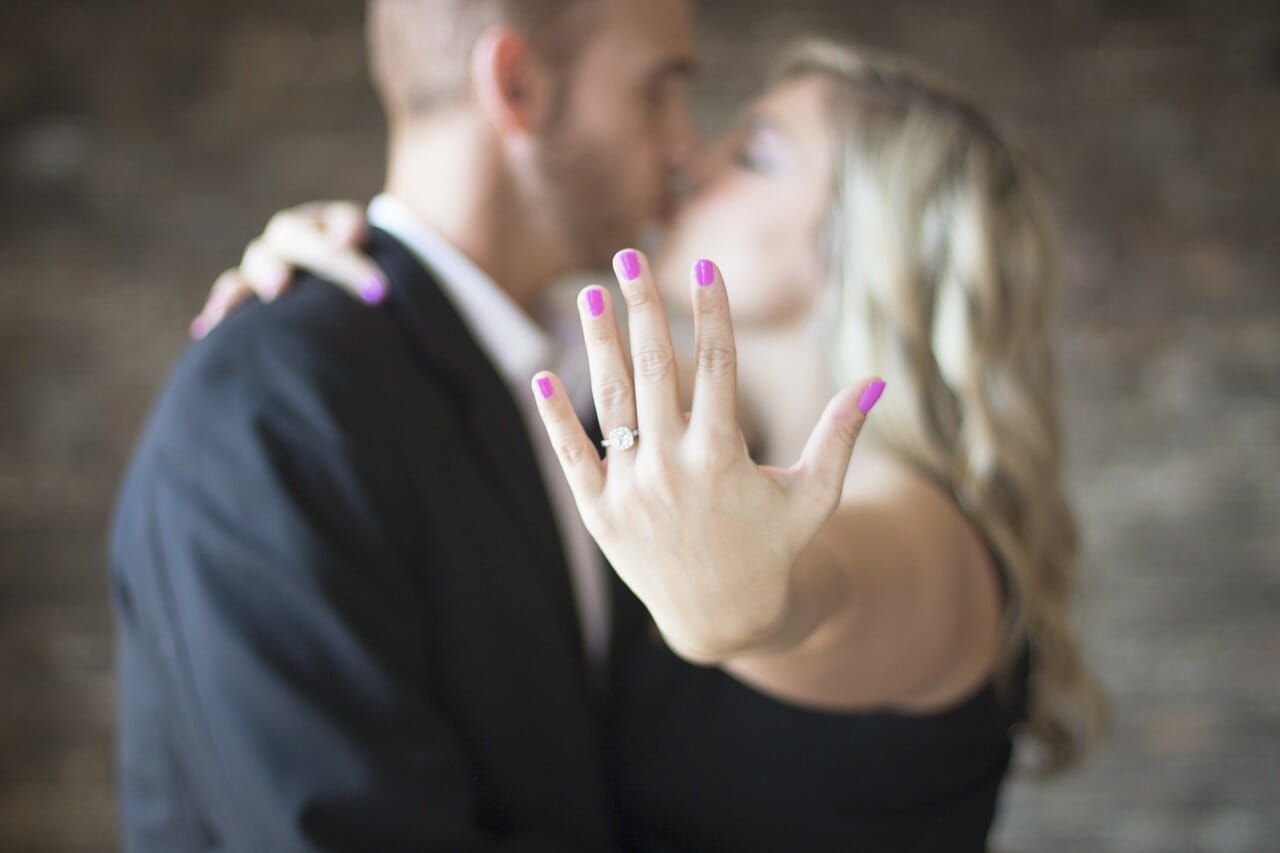
Modern buyers increasingly want personalization options. Engagement rings, anniversary gifts, and milestone jewelry are now often customized rather than selected from static inventory.
Customization trends include:
- Stone size adjustments
- Metal tone preferences
- Setting modifications
- Engraving and bespoke detailing
For agencies, this shift reduces overstock risk and encourages agile manufacturing cycles. Made-to-order models align operational efficiency with patron demand for specialty.
Education and Social Influence Are Driving Decisions
Today’s consumers conduct sizable studies before purchasing diamond jewelry. Social media platforms impact aesthetic choices, while blogs and video content material educate consumers about technical specs.
This accessibility to information has empowered consumers and reduced reliance on traditional in-store sales guidance.
Brands that prioritize readability, certification transparency, and robust assessment ecosystems, mainly the ones building reputations around best-selling and surprisingly rated collections are strengthening customer self guarantee and long-term loyalty.
The Strategic Outlook for 2026 and Beyond
The diamond jewelry industry is not facing decline; it is undergoing strategic recalibration.
Key developments shaping the next phase include:
- Continued growth in lab-grown market share
- Hybrid retail ecosystems blending digital and physical channels
- Greater emphasis on ESG compliance
- Margin restructuring aligned with value-driven demand
- Increased customization capabilities
For retailers and investors, the opportunity lies in understanding that luxury is evolving — not disappearing.
The emotional symbolism of diamonds remains powerful. What has been modified is how customers outline well worth. In 2026, success belongs to brands that integrate sustainability, affordability, transparency, and design excellence.
The market’s transformation reflects a broader shift in consumer priorities, one where informed choice, ethical alignment, and measurable value define the future of luxury.