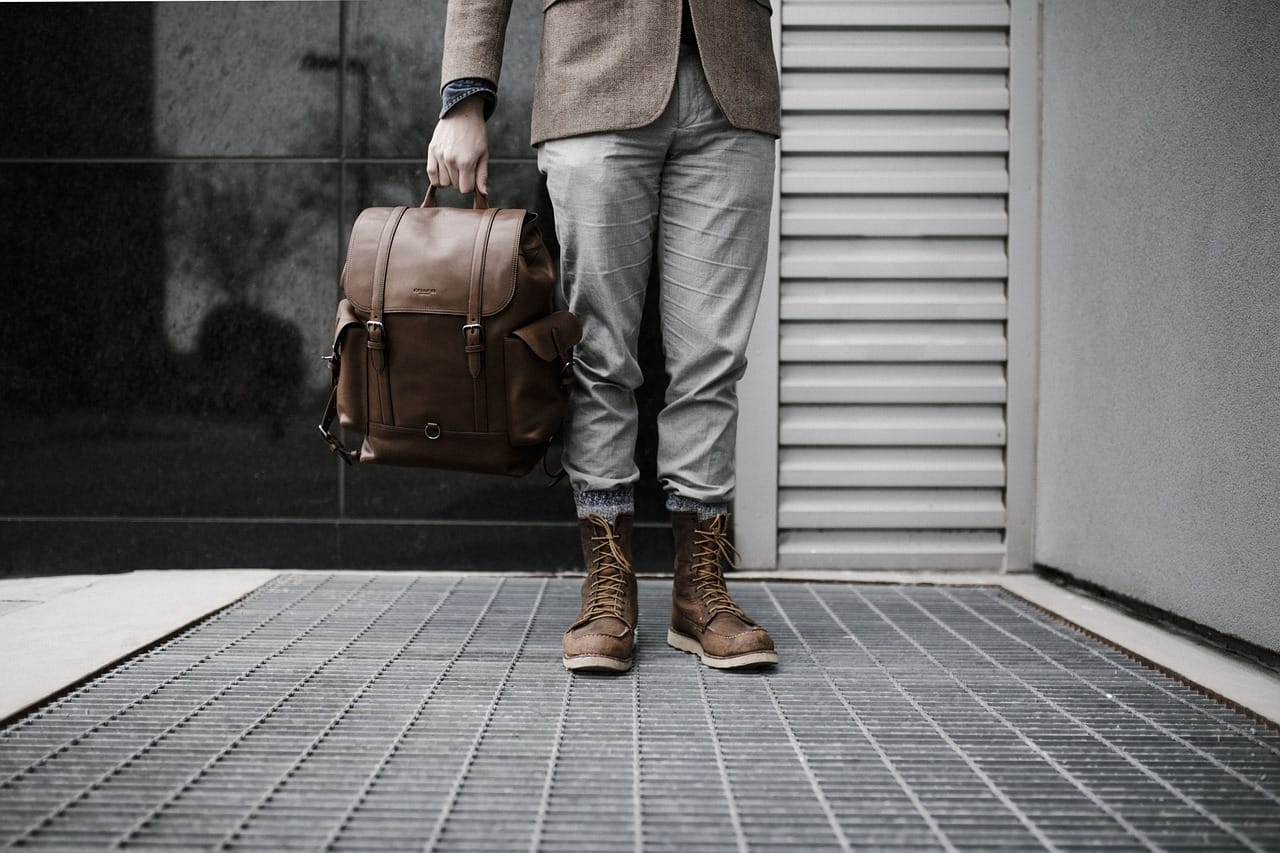
In luxury markets, brands compete on meaning rather than pricing and visibility. High-end customers are more prone to craftsmanship, exclusivity, and emotional connection with the brand. Leather goods are the premium product of such markets. It reinforces luxury brand positioning through customisation, culture, heritage, and long-term value of the product.
Custom leather products distinguish themselves from other brands by developing a sense of rarity and personal ownership. It features limited production, bespoke features, and a made-to-order process to ensure each piece offers exclusivity and uniqueness. It enhances perceived value. Moreover, the customer feels included and a part of an exclusive world. It helps in reinforcing the brand’s prestige and long-term presence.
1. Personalization as Modern Luxury
In today’s world, customers value individuality over trending mass appeal. Custom leather goods offer individuality. Plus, it also allows customers to take part in the creation process. Sharing personal preferences, custom designs, choosing leather type and colour. Moreover, stitching and monoprogramming transform a product into a personal statement.
The luxury goods market emphasises personalisation rather than generic products.
Leather goods such as wallets, leather shoes, and bags play a great role in offering personal identity. It elevates brand image and offers value to customers. Such brands are customer-centric, detail-driven, and selective with high-end labels.
2. Craftsmanship and Brand Storytelling
Peter Zhou, Brand Director of Chamaripashoes, said, “High-end brands mainly focus on storytelling and craftsmanship. These two factors offer a narrative. Transparency in the creation process communicates expertise and authenticity. Hand-cut ties, traditional tanning process, and artisanal construction techniques are the prime examples of craftsmanship.
Take an example of custom leather shoes. When a luxury brand showcases precise fitting, time-intensive work and fine hand stitching, it shows that quality precedes speed. These stories elevate brand loyalty and strengthen brand credibility. It helps in differentiating true luxury from mass-produced generic products.”
3. Exclusivity Through Design, Not Volume
High-end customers demand value for their money. Exclusivity is an integral part when opting for a luxury brand. Custom leather products, such as those offered by The Monterey Company, are created organically. Made-to-order leather goods limit mass production, which makes them rare by design. The following approach perfectly facilitates a premium leather brand strategy that emphasizes:
- Limited edition
- Unique design for each customer
- A sense of insider privilege
Customers know their custom leather accessory cannot be replicated exactly, which increases emotional value and brand loyalty. This quiet exclusivity perfectly perceives modern luxury preferences, where individuality matters more than overall branding.
4. Quiet Branding and Confidence
Luxury leather brands rarely require loud visual logos or branding. Instead, they quietly express confidence through restraint. Subtle embossed logos, discreet artisan signature, or tonal stitching and quality of the leather speak for themselves. It highlights that the luxury brands do not need to shout to be known. The quality of service they offer is enough for recognition in the market. Quiet branding resonates greatly with high-end customers who prefer discernment over display.
Rather than mass recognition, these consumers value recognition among those “in the know.” Moreover, by reducing exaggerated branding, luxury leather goods position themselves as timeless and elegant products. It reinforces an identity rooted in confidence, tradition, heritage, and enduring appeal rather than trend-driven visibility.
5. Time as a Marker of Value
In the world driven by time and immediacy, luxury often requires quite the opposite. Custom leather products require time, and that time signals the value of the product. Increased lead time reflects an unhurried process: careful material selection, hand-cutting, fine stitching, and incredible finishing. Each stage reinforces the message that quality cannot be hurried.
For high-end customers, waiting is not an inconvenience. It reassures buyers that the product is worth waiting for. It reflects scarcity and demand. Moreover, it highlights the presence of human craftsmanship rather than automated mass production. Luxury leather brands allow consumers to feel invested long before the actual product is made. Thus, time becomes the symbol of authenticity and trust. It reinforces the idea that the final piece is worth the wait.
6. Longevity as a Signal of Quality
Dominique Dupuis, President at URAD.com, said, “Luxury leather brands strongly emphasize product durability and timelessness. Custom leather accessories naturally offer durability. Luxury leather ages well, enhancing character over time. On the contrary, poor-quality or generic leather products wear out with time.
A well-crafted leather wallet, bag, or pair of leather shoes can last for decades. Besides this, it often becomes more appealing with use. This longevity elevates trust in the brand’s materials and craftsmanship while separating luxury from disposable fashion. Moreover, brands that emphasise this longevity signal trust and confidence in their materials and workmanship, reinforcing trust and prestige.”
7. Building Emotional Connection and Loyalty
Customization turns purchasing into a personalized luxury experience, by customer engagement in details like design, colour, and refinement, building a stronger emotional connection. It also offers long-term loyalty. The whole process of choosing design, selecting material, checking details, and waiting for handcrafted pieces turns purchasing into a personal story.
This strong emotional connection drives repeat purchases and organic brand loyalty, two foundations of sustainable luxury growth. This emotional investment leads to:
- Strong brand loyalty
- Enhanced lifetime customer value
- Organic word-of-mouth marketing
When the customer recalls the whole process from selecting the leather type to waiting for the final result, the brand becomes a personal preference. Customization is one of the best ways to build an emotional connection with the brand.
8. Positioning in a Competitive Luxury Market
In a heavily crowded luxury market, custom leather goods offer brands to stand out without compromising their identity. Rather than going after generic trends, personalization enables brands to remain timeless while still feeling relevant. Many high-end labels now utilise custom leather products as:
- Flagship in-store experiences
- VIP or personalised-client services
- Entry points into bespoke or couture-level goods
Leather shoes, in particular, usually serve as a gateway into deeper personalisation, introducing consumers to the brand’s craftsmanship before extending goods to accessories or apparel.
Custom Leather Goods as Tangible Expressions of Legacy
Custom leather goods allow premium leather brands to stand out by offering lasting value. In this fast-paced world where everything is disposable, custom leather products offer legacy. Unlike mass-produced generic products, premium leather goods last for decades and often offer an enhanced look with time. As the leather ages and improves its character, it reflects the owner’s personal statement and experiences.
Besides this, it builds a strong emotional bond between the customer, the brand, and the product. Furthermore, it also allows brands to showcase their history and values in a clear, subtle, and authentic way. Traditional craftsmanship, heritage, cultural influences, and careful detailing make each piece rare and meaningful rather than trendy and mainstream.
Through customization and heritage storytelling, luxury brands communicate that they value quality, individuality, and long-term worth—key elements that define true luxury.
Conclusion
Custom leather products are crucial for high-end brand positioning. It blends customization, exclusivity, individuality, craftsmanship, and durability. Whether it’s a bespoke wallet, bags, or leather shoes crafted perfectly to fit in the luxury market, these products communicate authenticity, personal identity, and long-term value.
For high-end leather brands, custom leather is more than a product—it’s a statement of their brand ideation, identity, quality, and commitment to the individual customer. Besides this, when executed with intention and integrity, it becomes an enduring symbol of heritage, tradition, and personal taste.